Hydrochloric Acid → HCID 9824215, compound
Reaction equation

[CH3:1][N:2]([CH:4]([C:12]1[CH:16]=[CH:15][S:14][CH:13]=1)[CH:5]1[CH2:10][CH2:9][CH2:8][CH2:7][C:6]1=[O:11])[CH3:3].Cl.CNC.S1C=CC(C=O)=C1.N1(C2CCCCC=2)CCCC1.[Cl:39][CH2:40][C:41]1[CH:42]=[C:43]([C:47]([F:50])([F:49])[F:48])[CH:44]=[CH:45][CH:46]=1.Cl>>[ClH:39].[CH3:3][N:2]([CH:4]([C:12]1[CH:16]=[CH:15][S:14][CH:13]=1)[CH:5]1[CH2:10][CH2:9][CH2:8][CH2:7][C:6]1([CH2:40][C:41]1[CH:46]=[CH:45][CH:44]=[C:43]([C:47]([F:48])([F:49])[F:50])[CH:42]=1)[OH:11])[CH3:1]Participants
7



Procedure
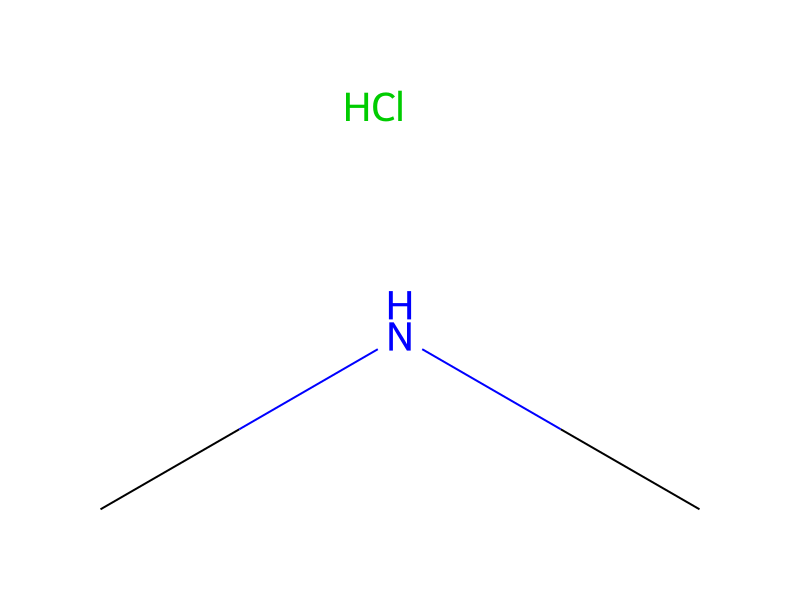
In the manner described for Example 6, 2-(dimethylaminothiophen-3-ylmethyl)cyclohexanone was first prepared from dimethylamine hydrochloride, thiophene-3-carbaldehyde and 1-(pyrrolidino)-1-cyclohexene and then, by reaction with 3-chloromethyl benzotrifluoride in a Grignard reaction and subsequent precipitation of the hydrochloride, 2-(dimethylaminothiophen-3-ylmethyl)-1-(3-trifluoromethylbenzyl)cyclohexanol hydrochloride was obtained.
Sources & evidence
- ORD record
- ord-a87e939221464eb5a937eaf53dcf5e81
- Source dataset
- uspto-grants-2006_03
- Patent number
- US07012099B2
Reaction notes
Loading…