Oxygen → Ethyl 3-phenylprop-2-enoate
Reaction equation

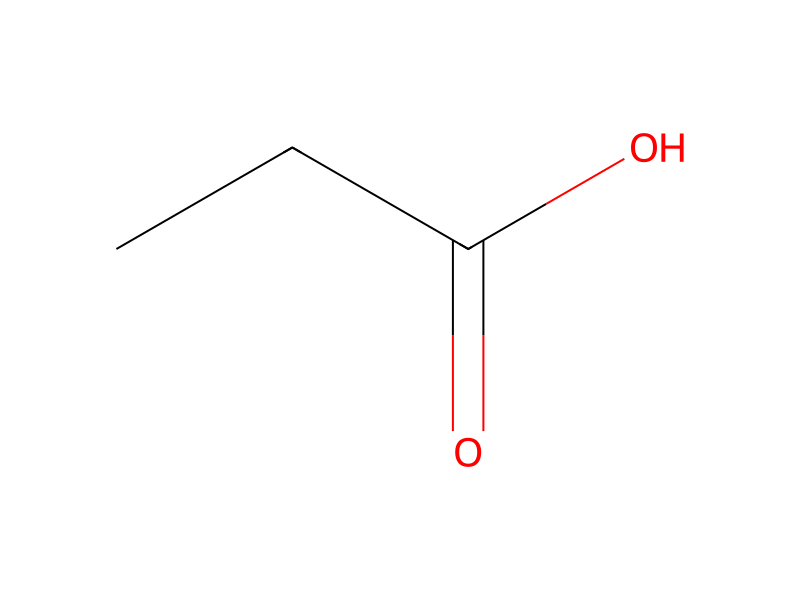
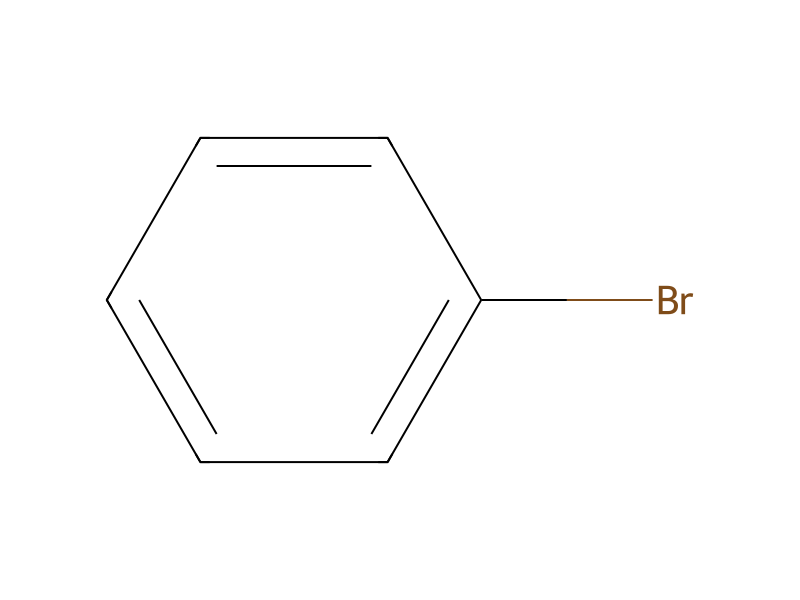
Br[C:2]1[CH:7]=[CH:6][CH:5]=[CH:4][CH:3]=1.[C:8]([O:12][CH2:13][CH3:14])(=[O:11])[CH:9]=[CH2:10].C([O-])(=O)C.[Na+].C(CC(=O)C)(=O)C.C(O)(=O)CC.O=O.C([O-])(=O)C=C>C([O-])(=O)C.[Pd+2].C([O-])(=O)C>[C:8]([O:12][CH2:13][CH3:14])(=[O:11])[CH:9]=[CH:10][C:2]1[CH:7]=[CH:6][CH:5]=[CH:4][CH:3]=1Participants
9





Procedure
In a flask, 30 mmol of bromobenzene, 1.5 mmol of ethyl acrylate, 0.1 mmol of palladium(II) acetate, 0.02 mmol of H7PMo8V4O40, 0.08 mmol of sodium acetate, 0.1 mmol of acetylacetone, and 5 ml of propionic acid were placed and were stirred at a constant temperature of 90° C. in an atmosphere of oxygen gas at 1 atm (0.1 MPa) for 7 hours. The resulting reaction mixture was analyzed by gas chromatography to find that ethyl 3-[(o, m, or p)-bromophenyl]acrylate (o-isomer:m-isomer:p-isomer=38:35:27) and ethyl cinnamate were produced in yields of 49% and 4%, respectively.
Workup
- customThe resulting reaction mixture
Sources & evidence
- ORD record
- ord-ad0b2492a44a48bd971e111311b6b55f
- Source dataset
- uspto-grants-2006_03
- Patent number
- US07019179B2
Reaction notes
Loading…