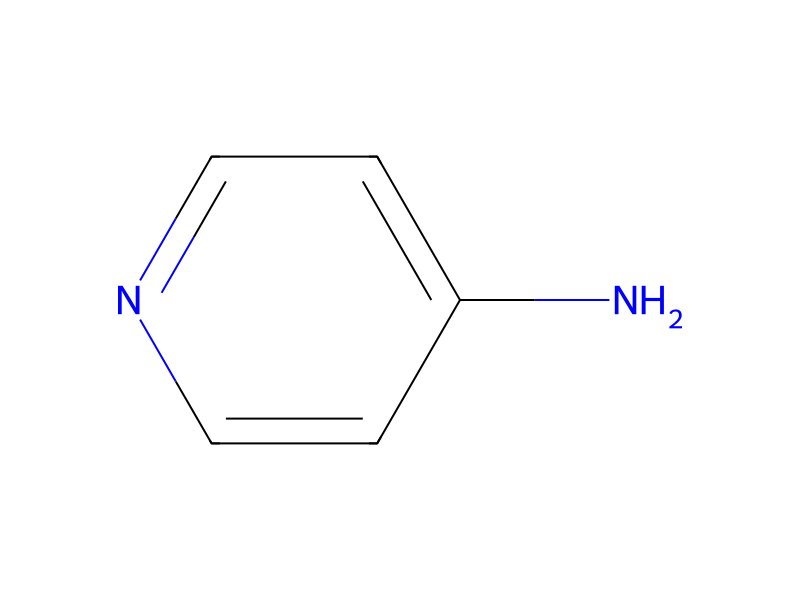
4-Aminopyridine → HCID 22921714, compound
Reaction equation

[Cl:1][C:2]1[CH:23]=[CH:22][C:5]2[O:6][C:7]3[CH:21]=[CH:20][CH:19]=[CH:18][C:8]=3[CH2:9][N:10]([C:11]([NH:13][CH2:14][C:15]([OH:17])=O)=[O:12])[C:4]=2[CH:3]=1.CN1CCOCC1.[NH2:31][C:32]1[CH:37]=[CH:36][N:35]=[CH:34][CH:33]=1>C(Cl)Cl>[Cl:1][C:2]1[CH:23]=[CH:22][C:5]2[O:6][C:7]3[CH:21]=[CH:20][CH:19]=[CH:18][C:8]=3[CH2:9][N:10]([C:11]([NH:13][CH2:14][C:15]([NH:31][C:32]3[CH:37]=[CH:36][N:35]=[CH:34][CH:33]=3)=[O:17])=[O:12])[C:4]=2[CH:3]=1Participants
5




Procedure
By the method described in Example 5, the title compound of Example 4 (0.5 g, 1.5 mmol) in 20 mL of CH2Cl2 was converted to its mixed anhydride with NMM (0.16 mL, 1.5 mmol) and IBCF (0.2 mL, 1.5 mmol). This intermediate was condensed with 4-aminopyridine (0.21 g, 2.25 mmol) to produce the title compound (94 mg).
Sources & evidence
- ORD record
- ord-e3f0718658914e86b8b7aa9a1285333a
- Source dataset
- uspto-grants-1995_08
- Patent number
- US05441950
Reaction notes
Loading…