2-Ethylhexanoic Acid → Hexanoic acid, 2-ethyl-, iron(3+) salt (3:1)
Reaction equation

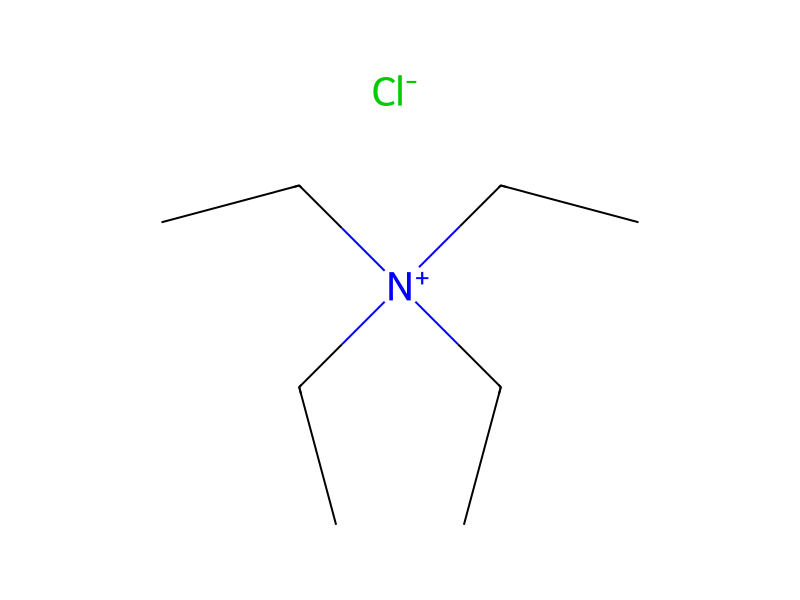
[CH2:1]([CH:3]([CH2:7][CH2:8][CH2:9][CH3:10])[C:4]([OH:6])=[O:5])[CH3:2].[Fe:11]>[Cl-].C([N+](CC)(CC)CC)C.O>[CH3:10][CH2:9][CH2:8][CH2:7][CH:3]([C:4]([O-:6])=[O:5])[CH2:1][CH3:2].[CH3:10][CH2:9][CH2:8][CH2:7][CH:3]([C:4]([O-:6])=[O:5])[CH2:1][CH3:2].[CH3:10][CH2:9][CH2:8][CH2:7][CH:3]([C:4]([O-:6])=[O:5])[CH2:1][CH3:2].[Fe+3:11]Participants
5
Reactant 2


Product 1

Reagents, catalysts & solvents 2

Procedure
To a reaction flask equipped with a mechanical agitator and thermometer was charged 10.0 g (0,069 mole) of 2-ethylhexanoic acid, 10.0 g mineral spirit, 80.0 g water and 0.40 g tetraethylammonium chloride. Iron foil was used as the anode and a graphite rod as the cathode. After passing 11,109 coulombs of direct current, 3.43 g (0,061 mole) of iron was consumed. The precipitated brown solid was then filtered and dried, and found to contain 45.60% iron. The organic layer was separated from the aqueous phase and was dried to give a brown solution of iron octoate in mineral spirits containing 14.10% iron.
Workup
- customTo a reaction flask equipped with a mechanical agitator and thermometer
- customwas consumed
- filtrationThe precipitated brown solid was then filtered
- customdried
- customThe organic layer was separated from the aqueous phase
- customwas dried
Sources & evidence
- ORD record
- ord-337a2eb5b49246efbc94d30f89d08ec4
- Source dataset
- uspto-grants-1995_08
- Patent number
- US05443698
Reaction notes
Loading…