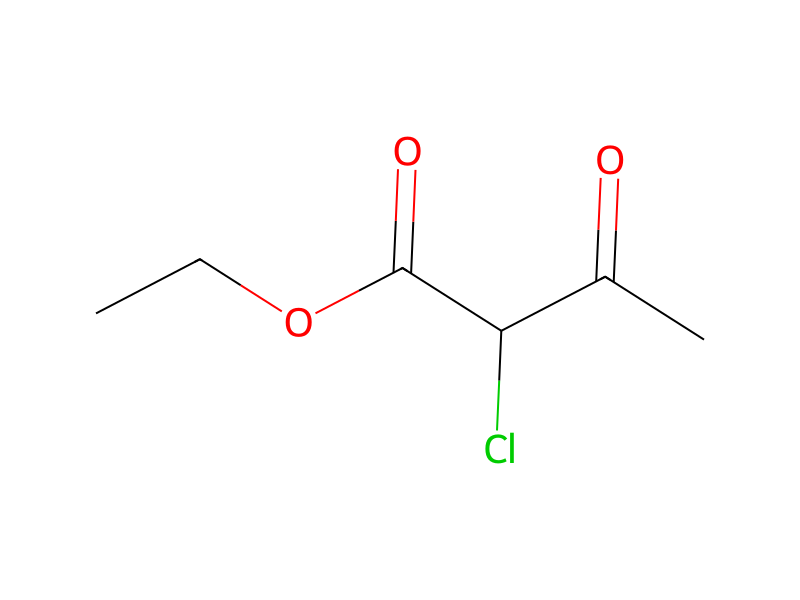
Ethyl 2-chloroacetoacetate → HCID 14500707, compound
Reaction equation

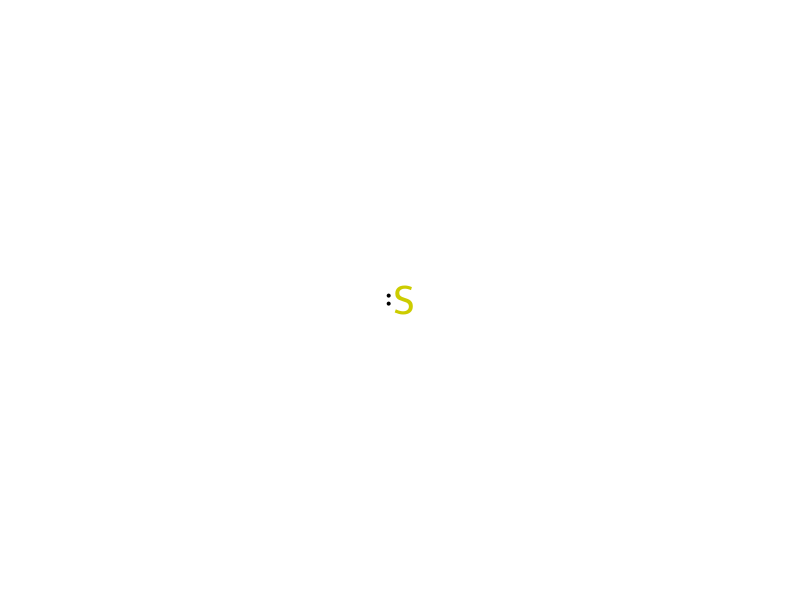
[CH3:1][C:2]([NH:5][C:6](=S)[NH:7][NH2:8])([CH3:4])[CH3:3].Cl[CH:11]([C:17]([CH3:19])=O)[C:12]([O:14][CH2:15][CH3:16])=[O:13].[S]>Cl>[CH3:1][C:2]([NH:5][C:6]1[C:11]([C:12]([O:14][CH2:15][CH3:16])=[O:13])=[C:17]([CH3:19])[NH:8][N:7]=1)([CH3:4])[CH3:3]Participants
Reactant 3

Product 1

Reagents, catalysts & solvents 1

Procedure
A solution of 25 g (0.17 mole) of 4-(1,1-dimethylethyl)-3-thiosemicarbazide in 85 mL of 2N ethanolic hydrogen chloride was cooled to 0° C. with an ice bath and while stirring under nitrogen atmosphere, 28 g (0.17 mole) of ethyl 2-chloroacetoacetate was added dropwise. The reaction mixture was allowed to come to room temperature while stirring for 16 hr. The pale yellow solution was then refluxed for 2 hr during which a film of sulfur deposited on the sides of the flask. The reaction mixture was cooled to room temperature and the sulfur removed by filtration. The filtrate was concentrated in vacuo to give 39 g of pale yellow oil which was dissolved in ligroin and, after standing at ~7°-10° C. for ~60 hr, yielded 20.5 g of large crystals, mp 118°-119° C. An additional 6.1 g of crude material was obtained by reworking the residues.
Workup
- customto come to room temperature
- stirringwhile stirring for 16 hr
- customthe sulfur removed by filtration
- concentrationThe filtrate was concentrated in vacuo
Sources & evidence
- ORD record
- ord-8031979c51594f91bec3f2ffd843b062
- Source dataset
- uspto-grants-1989_05
- Patent number
- US04826866
Reaction notes
Loading…