Hydrochloric Acid → HCID 13769350, compound
Reaction equation

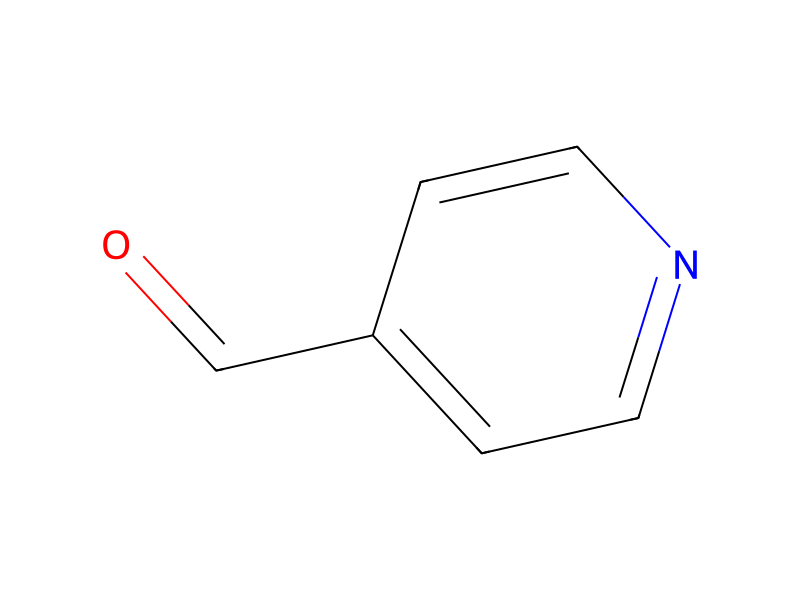
[CH3:1][N:2]1[C:6]2[CH:7]=[C:8]([N+:14]([O-])=O)[C:9]([N+:11]([O-])=O)=[CH:10][C:5]=2[N:4]=[CH:3]1.[H][H].[N:19]1[CH:24]=[CH:23][C:22]([CH:25]=O)=[CH:21][CH:20]=1.Cl>O=[Pt]=O.C(O)C>[N:19]1[CH:24]=[CH:23][C:22]([C:25]2[NH:11][C:9]3[C:8](=[CH:7][C:6]4[N:2]([CH3:1])[CH:3]=[N:4][C:5]=4[CH:10]=3)[N:14]=2)=[CH:21][CH:20]=1Participants
7






Procedure
4.40 g. (20.0 mMole) 1-methyl-5,6-dinitrobenzimidazole and 0.5 g. Adams catalyst in 250 ml. ethanol are hydrogenated for 4 hours at 40° C. and 4 bar hydrogen pressure. The catalyst is filtered off and the filtrate, after the addition of 2.10 g. (20.0 mMole) pyridine-4-aldehyde and 3 ml. concentrated hydrochloric acid, is heated to the boil under reflux. After chromatographed purification (silica gel; ethyl acetate/methanol 1:1 v/v) and evaporation of the appropriate fractions, there is obtained 1.1 g. (21% of theory) of the desired product in the form of colourless crystals of the semihydrochloride; m.p.>280° C.
Workup
- filtrationThe catalyst is filtered off
- additionthe filtrate, after the addition of 2.10 g
- temperatureunder reflux
- customAfter chromatographed
- custompurification (silica gel; ethyl acetate/methanol 1:1 v/v) and evaporation of the appropriate fractions
- customthere is obtained 1.1 g
Sources & evidence
- ORD record
- ord-1ec21fac73694e90bbcda40274194554
- Source dataset
- uspto-grants-1989_05
- Patent number
- US04831032
Reaction notes
Loading…