Bromide ion → HCID 13747681, compound
Reaction equation

[CH3:1]N1C2N=CNC=2C(=O)NC1=O.Cl[CH2:14][CH2:15][CH2:16][CH2:17][C:18]([OH:21])([CH3:20])[CH3:19].O=C(C)CCCC[N:28]1[C:37](=[O:38])[C:36]2[N:35]([CH2:39][CH2:40][CH2:41][CH2:42][C:43](=[O:45])[CH3:44])[CH:34]=[N:33][C:32]=2[N:31]([CH3:46])[C:29]1=[O:30].C[Mg]Cl.[Br-]>O1CCCC1>[OH:21][C:18]([CH3:20])([CH3:19])[CH2:17][CH2:16][CH2:15][CH2:14][N:28]1[C:37](=[O:38])[C:36]2[N:35]([CH2:39][CH2:40][CH2:41][CH2:42][C:43]([CH3:44])([OH:45])[CH3:1])[CH:34]=[N:33][C:32]=2[N:31]([CH3:46])[C:29]1=[O:30]Participants
7
Reactant 5


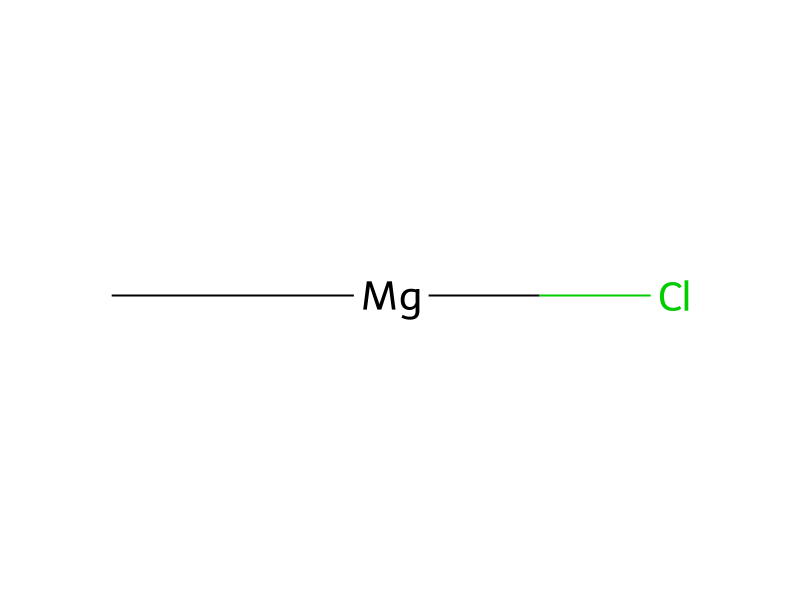
Product 1

Reagents, catalysts & solvents 1

Procedure
The same compound was also obtained, inter alia, by a one-stage dialkylation of 3-methylxanthine with twice the molar amount of 1-chloro-5-hydroxy-5-methylhexane or by reaction of 1,7-bis-(5-oxohexyl)-3-methylxanthine with two equivalents of methylmagnesium chloride or bromide in anhydrous tetrahydrofuran.
Workup
- customThe same compound was also obtained
Sources & evidence
- ORD record
- ord-80123447f4b14216b63d8c9fec5cc336
- Source dataset
- uspto-grants-1989_05
- Patent number
- US04833146
Reaction notes
Loading…