Phenylacetic Acid → HCID 343978, compound
Reaction equation

[Cl:1][C:2]1[CH:9]=[CH:8][C:5]([CH:6]=O)=[CH:4][CH:3]=1.[C:10]1([CH2:16][C:17]([OH:19])=[O:18])[CH:15]=[CH:14][CH:13]=[CH:12][CH:11]=1.C(OC(=O)C)(=O)C>C(N(CC)CC)C>[C:10]1([C:16](=[CH:6][C:5]2[CH:8]=[CH:9][C:2]([Cl:1])=[CH:3][CH:4]=2)[C:17]([OH:19])=[O:18])[CH:15]=[CH:14][CH:13]=[CH:12][CH:11]=1Participants
5
Reactant 3

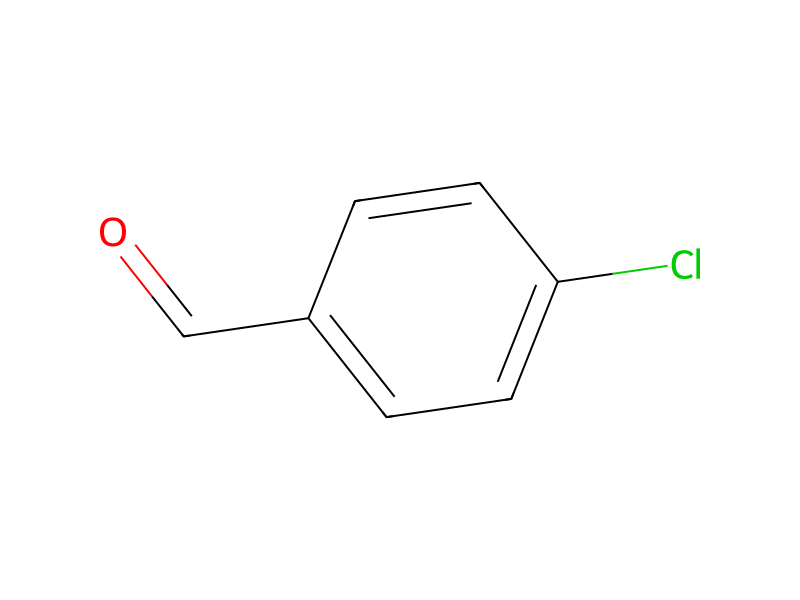

Product 1

Reagents, catalysts & solvents 1

Procedure
A mixture of 56.2 g 4-chlorobenzaldehyde, 54.4 g phenylacetic acid, 80 ml acetic anhydride and 40 ml triethylamine was refluxed for 5 hours. Unreacted 4-chlorobenzaldehyde was removed by steam distillation and the residue dissolved in aqueous alcohol and treated with decolourising carbon. Crystals of α-phenyl-4-chlorocinnamic acid were obtained on acidification of the solution. The product was recrystallised from alcohol and found to have a melting point of 202°-4° C. The chlorosulphonyl derivative was prepared according to the method described in Example 1.
Workup
- temperaturewas refluxed for 5 hours
- customwas removed by steam distillation
- dissolutionthe residue dissolved in aqueous alcohol
- additiontreated with decolourising carbon
Sources & evidence
- ORD record
- ord-7fa6319256d24fff9e1a50e76cf3fc3f
- Source dataset
- uspto-grants-1978_09
- Patent number
- US04117039
Reaction notes
Loading…