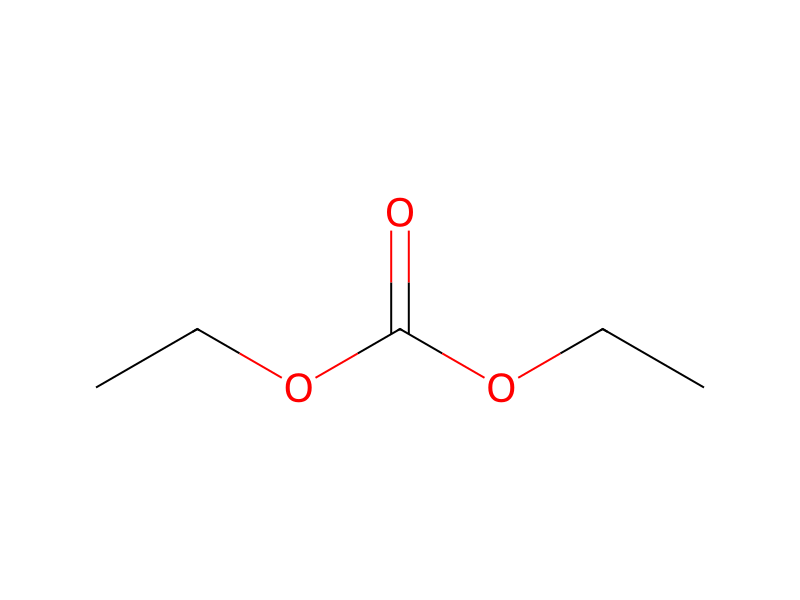
Diethyl Carbonate → HCID 69491010, compound
Reaction equation

[H-].[Na+].C(O[C:6](=[O:10])[O:7][CH2:8][CH3:9])C.[F:11][C:12]1[CH:13]=[C:14]([CH:29]=[CH:30][CH:31]=1)[CH2:15][O:16][C:17]1[CH:22]=[CH:21][C:20]([N:23]2[CH2:27][CH2:26][CH2:25][C:24]2=[O:28])=[CH:19][CH:18]=1>C1COCC1>[CH2:8]([O:7][C:6]([CH:25]1[CH2:26][CH2:27][N:23]([C:20]2[CH:21]=[CH:22][C:17]([O:16][CH2:15][C:14]3[CH:29]=[CH:30][CH:31]=[C:12]([F:11])[CH:13]=3)=[CH:18][CH:19]=2)[C:24]1=[O:28])=[O:10])[CH3:9]Participants
5
Reactant 3


Product 1

Reagents, catalysts & solvents 1

Procedure
370 mg (15.4 mmol) sodium hydride is suspended in 20 ml THF and 911 mg (7.7 mmol) diethylcarbonate is added. The suspension is heated to reflux temperature. A solution of 2.0 g (7.0 mmol) 1-[4-(3-Fluoro-benzyloxy)-phenyl]-pyrrolidin-2-one in 10 ml THF is slowly added into the boiling solution. The mixture is boiled for another 5 hours, then hydrolysed with cold water and washed successively with water, saturated sodium hydrogencarbonate solution, water and saturated sodium chloride solution. Chromatography (silica gel, dichloromethane/ethyl acetate) yields 1.3 g (52%) of a yellowish semisolid. MS: m/e=358.2 (M+H)+.
Workup
- temperatureThe suspension is heated
- temperatureto reflux temperature
- washhydrolysed with cold water and washed successively with water, saturated sodium hydrogencarbonate solution, water and saturated sodium chloride solution
Sources & evidence
- ORD record
- ord-b0c9f8377e4c444780fd4f4ce369227b
- Source dataset
- uspto-grants-2007_06
- Patent number
- US07235581B2
Reaction notes
Loading…