Uracil → HCID 51035173, compound
Reaction equation

P(Br)(Br)Br.Br[CH2:6][C:7]1[O:8][C:9]([C:12]2[CH:17]=[CH:16][CH:15]=[CH:14][C:13]=2[N+:18]([O-:20])=[O:19])=[CH:10][CH:11]=1.[NH:21]1[CH:28]=[CH:27][C:25](=[O:26])[NH:24][C:22]1=[O:23].C(=O)([O-])[O-].[K+].[K+]>ClCCl.CN(C=O)C>[N+:18]([C:13]1[CH:14]=[CH:15][CH:16]=[CH:17][C:12]=1[C:9]1[O:8][C:7]([CH2:6][N:21]2[CH:28]=[CH:27][C:25](=[O:26])[NH:24][C:22]2=[O:23])=[CH:11][CH:10]=1)([O-:20])=[O:19]Participants


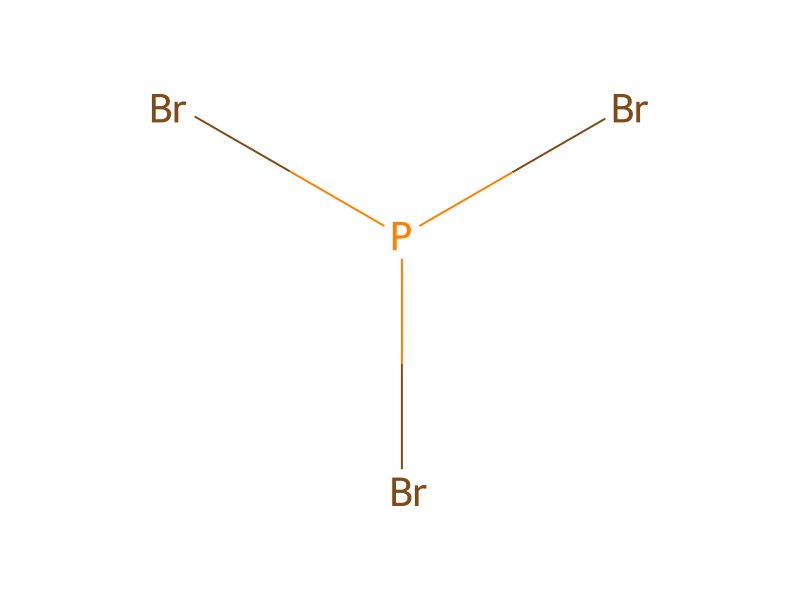




Conditions
- Temperature
- 25 °C
Procedure
To a solution of alcohol in dichloromethane at 0° C. was added neat PBr3 in ice bath. The solution was allowed to warm to 25° C. and then stirred for 12 h. The reaction was quenched with ice and extracted with ethyl acetate. The combined organic layers were washed with H2O, sat. NaHCO3 and brine, and dried over anhydrous Na2SO4. After the solution was filtered and concentrated under reduced pressure, the crude compound was used for the subsequent alkylation without further purification. To a solution of 2-(bromomethyl)-5-(2-nitrophenyl)furan 11a (120 mg, 0.43 mmol) and uracil (476 mg, 4.3 mmol) in anhydrous DMF (2.0 mL) was added anhydrous potassium carbonate (235 mg, 1.7 mmol) at 25° C. The resulting solution was then heated at 50° C. for 8 h. After removal of DMF under reduced pressure, the residue was diluted with CHCl3 and washed three times with water. The organic layer was dried over anhydrous MgSO4 and concentrated under vacuum. The residue was purified by column chromatography eluting with ethyl acetate to afford 90 mg (68%) of the uracil 13a as a white solid. 1H NMR (DMSO) δ: 11.29 (1H, s), 7.82 (1H, d, J=8.1 Hz), 7.77 (1H, d, J=7.5 Hz), 7.68 (1H, t, J=7.2 Hz), 7.60 (1H, d, J=7.8 Hz), 7.52 (1H, t, J=8.1 Hz), 6.83 (1H, d, J=3.6 Hz), 6.53 (1H, d, J=3.3 Hz), 5.57 (1H, dd, J=7.8, 1.5 Hz), 4.88 (2H, s); 13C NMR (DMSO) δ: 164.08, 151.69, 151.07, 148.39, 147.33, 145.33, 132.91, 129.70, 129.04, 124.36, 122.84, 110.38, 111.18, 102.01, 43.74.
Workup
- customThe reaction was quenched with ice
- extractionextracted with ethyl acetate
- washThe combined organic layers were washed with H2O, sat. NaHCO3 and brine
- dry with materialdried over anhydrous Na2SO4
- filtrationAfter the solution was filtered
- concentrationconcentrated under reduced pressure
- customthe crude compound was used for the subsequent alkylation without further purification
- temperatureThe resulting solution was then heated at 50° C. for 8 h
- customAfter removal of DMF under reduced pressure
- additionthe residue was diluted with CHCl3
- washwashed three times with water
- dry with materialThe organic layer was dried over anhydrous MgSO4
- concentrationconcentrated under vacuum
- customThe residue was purified by column chromatography
- washeluting with ethyl acetate
Sources & evidence
- ORD record
- ord-5e7d7b87ef014b0d9952e9baeda186cd
- Source dataset
- uspto-grants-2016_02
- Patent number
- US09255088B2
Reaction notes
Loading…