1,5-Diazabicyclo(4.3.0)non-5-ene → 2,3,5,6,7,7a-Hexahydro-1H-pyrrolo[3,4-b]pyridine
Reaction equation

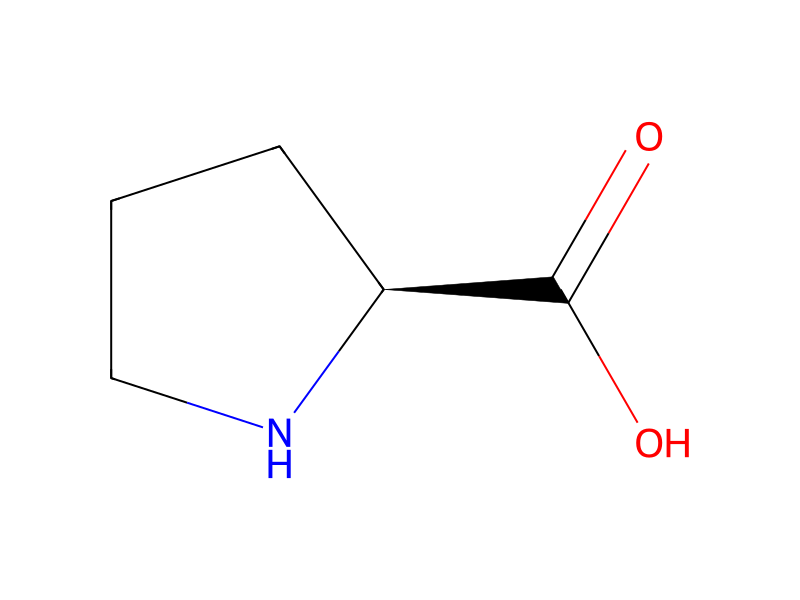
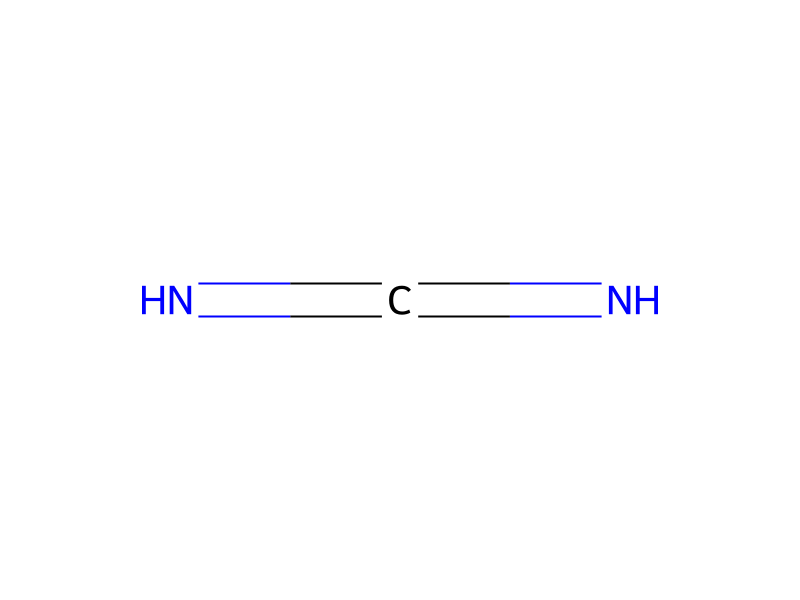
N1CCC[C@H]1C(O)=O.[N:9]12[CH2:19][CH2:18][CH2:17][N:16]=[C:15]1[CH2:14][CH2:13]CC[CH2:10]2.N12CCCC1=NCCC2.N=C=N>C(N(CC)CC)C.C(Cl)(Cl)Cl.C(#N)C.CS(C)=O.CN(C)C=O>[CH:17]12[CH2:10][NH:9][CH2:19][C:18]1=[CH:13][CH2:14][CH2:15][NH:16]2Participants
Reactant 4


Product 1

Reagents, catalysts & solvents 5





Procedure
Compound (II) is reacted with N-tosyl-L-prolyl chloride in an organic solvent such as methylene chloride or chloroform or in a mixture of water and the said organic solvents in the presence of an organic base such as triethylamine, 1,8-diazabicyclo[5.4.0]undec-7-ene (DBU), and 1,5-diazabicyclo[4.3.0]non-5-ene (DBN) or an inorganic base such as sodium bicarbonate or sodium carbonate at -20° C. to 30° C. to give Compound (a). Compound (a) may also be prepared by reacting Compound (II) with N-protected L-proline in a solvent such as N,N-dimethylformamide (DMF), dimethylsulfoxide (DMSO), acetonitrile or chloroform in the presence of an organic or inorganic base such as triethylamine, DBU or DBN and dicyclokexyl carbodiimide. Compound (a) is subjected to column chromatography and acid-catalized hydrolysis to obtain Compound (IIa) and Compound (IIa').
Workup
- customto obtain Compound (IIa) and Compound (IIa')
Sources & evidence
- ORD record
- ord-9f7703e48cbb46a1bf4734a16320244e
- Source dataset
- uspto-grants-1997_05
- Patent number
- US05631266
Reaction notes
Loading…