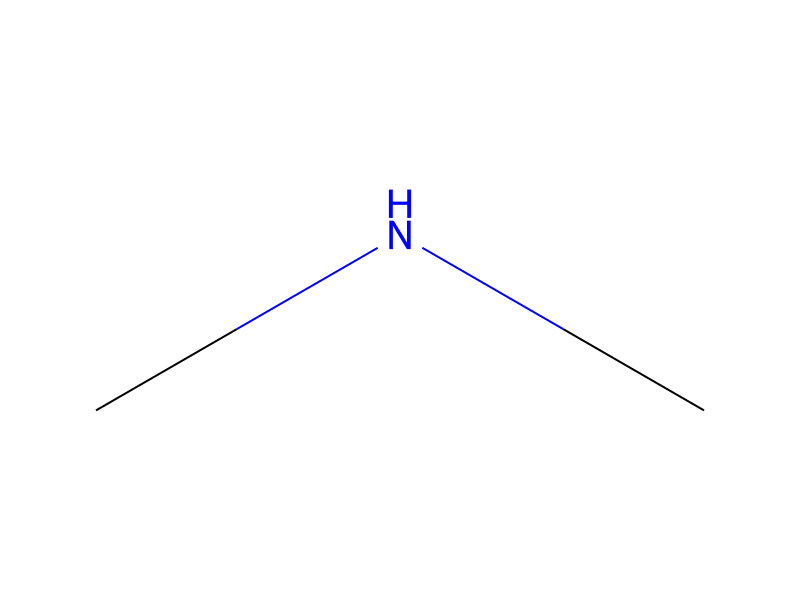
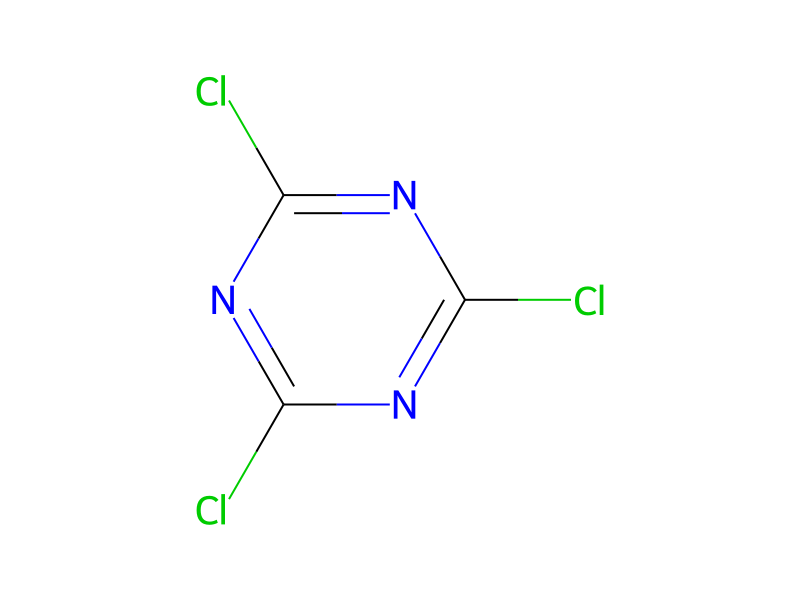
Dimethylamine → 4-(3-Buten-1-yl)-6-(dimethylamino)-2-hydrazino-1,3,5-triazine
Reaction equation

[N:1]1[C:8](Cl)=[N:7][C:5](Cl)=[N:4][C:2]=1Cl.[CH2:10]([Mg]Br)[CH2:11][CH:12]=[CH2:13].C[CH2:17][N:18]([CH:22](C)C)C(C)C.CNC.O.[NH2:29][NH2:30]>C1C=CC=CC=1.O1CCOCC1>[CH2:10]([C:2]1[N:4]=[C:5]([N:18]([CH3:22])[CH3:17])[N:7]=[C:8]([NH:29][NH2:30])[N:1]=1)[CH2:11][CH:12]=[CH2:13]Participants
8
Reactant 5



Product 1

Reagents, catalysts & solvents 2


Conditions
- Temperature
- 0 °C
Procedure
To a cyanuric chloride (1.07 g, 5.80 mmol) in anhydrous benzene (10.7 mL) was added at 0° C. dropwise a solution of 3-butenylmagnesium bromide (0.5M in THF, 12.8 mL, 6.38 mmol). The resulting mixture was stirred at 0° C. for 3 hrs. To the mixture were added 1,4-dioxane (10 mL), DIPEA (1.1 mL), followed by addition of dimethylamine (2.0M in MeOH, 3.2 mL, 6.38 mmol) at 0° C. The mixture was stirred and allowed to warm up to room temperature over 2 hours. Finally to it was added hydrazine hydrate (7.0 mL) at room temperature. The mixture was stirred at room temperature overnight. Then the volatiles were evaporated in vacuo. The residue was purified by HPLC to provide the title compound as a white solid. MH+209.
Workup
- stirringThe mixture was stirred
- temperatureto warm up to room temperature over 2 hours
- stirringThe mixture was stirred at room temperature overnight
- customThen the volatiles were evaporated in vacuo
- customThe residue was purified by HPLC
Sources & evidence
- ORD record
- ord-df1d91d0ebde4ebe867f1af20cecb905
- Source dataset
- uspto-grants-2009_03
- Patent number
- US07507726B2
Reaction notes
Loading…