Hydrochloric Acid → tert-butyl (5S)-6-chloro-5-hydroxy-3-oxohexanoate
Reaction equation

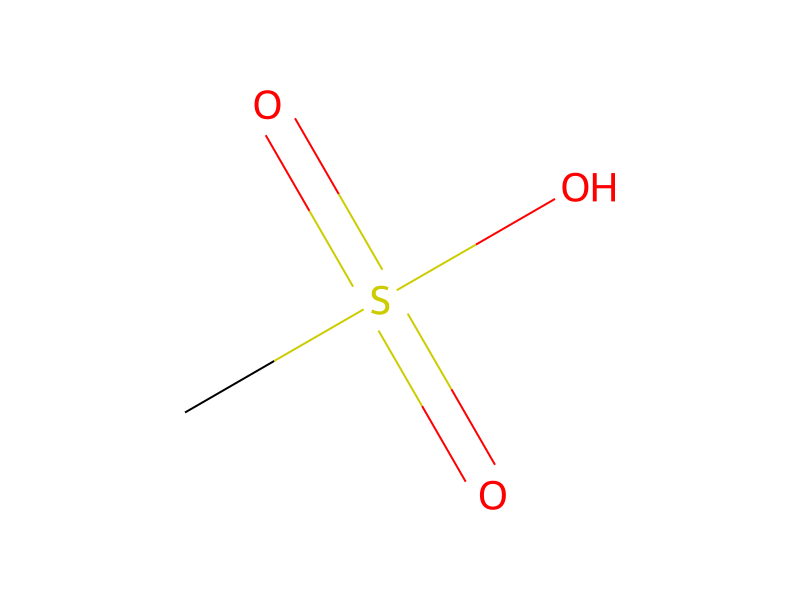
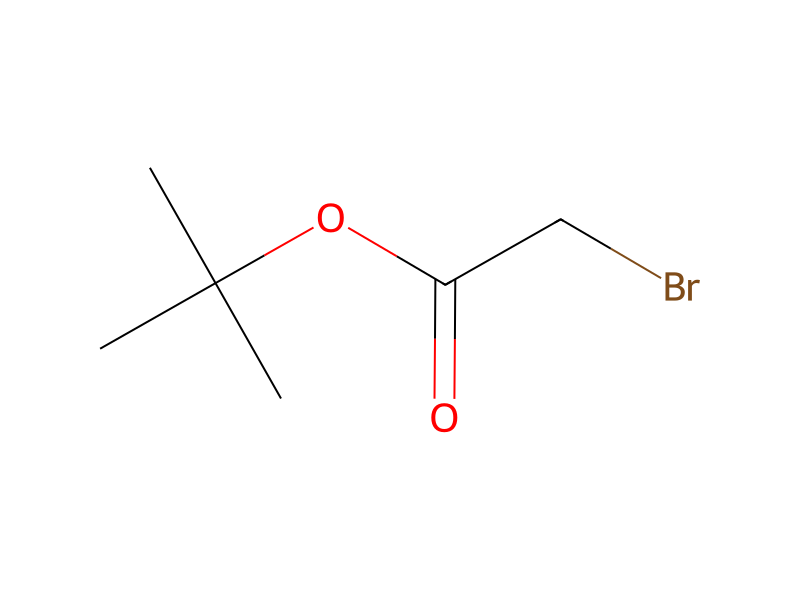
CS(O)(=O)=[O:3].[Cl:6][CH2:7][C@@H:8]([O:12][Si](C)(C)C)[CH2:9][C:10]#N.[C:17]([O:21][C:22](=[O:25])[CH2:23]Br)([CH3:20])([CH3:19])[CH3:18].Cl>[Zn].O1CCCC1>[C:17]([O:21][C:22](=[O:25])[CH2:23][C:10](=[O:3])[CH2:9][C@H:8]([OH:12])[CH2:7][Cl:6])([CH3:20])([CH3:19])[CH3:18]Participants





Conditions
- Temperature
- 0 °C
Procedure
Zinc dust (690 mg), tetrahydrofuran (4.0 mL), and methanesulfonic acid (10 mg) were introduced into a reaction vessel and the mixture was stirred under reflux. To the mixture was added (S)-4-chloro-3-trimethylsilanyloxybutyronitrile (1.00 g) and subsequently t-butylbromoacetate (2.04 g) over 1 hour. The mixture was stirred under reflux for 30 minutes, and cooled to 0° C. Aqueous 3 N hydrochloric acid solution was added dropwise until the acidity of the reaction solution became pH 4, and the reaction solution was stirred for 3 hours. After the completion of reaction, tetrahydrofuran was distilled off under reduced pressure, and the residue was extracted with ethyl acetate and purified by silica gel column chromatography (eluent: ethyl acetate/n-hexane=⅓, v/v) to give the title compound in a yield of 87% (1.07 g).
Workup
- temperatureunder reflux
- stirringThe mixture was stirred
- temperatureunder reflux for 30 minutes
- stirringthe reaction solution was stirred for 3 hours
- distillationwas distilled off under reduced pressure
- extractionthe residue was extracted with ethyl acetate
- custompurified by silica gel column chromatography (eluent: ethyl acetate/n-hexane=⅓, v/v)
Sources & evidence
- ORD record
- ord-f7f2048978df4d2dbe4ccf298a04a8c3
- Source dataset
- uspto-grants-2006_07
- Patent number
- US07081546B2
Reaction notes
Loading…