1-Phenylpyrrole → 2-[(4-Bromo-phenyl)-pyrrolidin-1-yl-methyl]-1-phenyl-1H-pyrrole
Reaction equation

[C:1]1([N:7]2[CH:11]=[CH:10][CH:9]=[CH:8]2)[CH:6]=[CH:5][CH:4]=[CH:3][CH:2]=1.[Cl-].[Br:13][C:14]1[CH:25]=[CH:24][C:17]([CH:18]=[N+:19]2[CH2:23][CH2:22][CH2:21][CH2:20]2)=[CH:16][CH:15]=1.BrC1C=CC(C=O)=CC=1.N1CCCC1>>[Br:13][C:14]1[CH:15]=[CH:16][C:17]([CH:18]([N:19]2[CH2:23][CH2:22][CH2:21][CH2:20]2)[C:8]2[N:7]([C:1]3[CH:6]=[CH:5][CH:4]=[CH:3][CH:2]=3)[CH:11]=[CH:10][CH:9]=2)=[CH:24][CH:25]=1Participants
5




Procedure
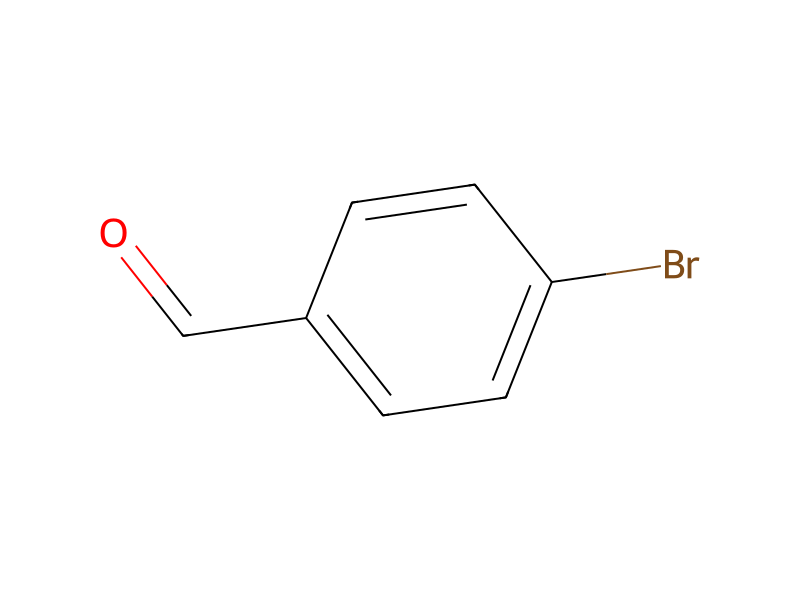
The preparation was carried out in accordance with general synthesis instructions 4 from 1-phenyl-1H-pyrrole and 1-(4-bromo-benzylidene)-pyrrolidinium chloride, which had been prepared in accordance with example 4 from 4-bromobenzaldehyde and pyrrolidine.
Sources & evidence
- ORD record
- ord-cf80292121194063a7dbb72ec0766f33
- Source dataset
- uspto-grants-2006_04
- Patent number
- US07034018B2
Reaction notes
Loading…