4-Chlorobenzaldehyde → 3-(4-Chlorobenzylidene)indolin-2-one
Reaction equation

[NH:1]1[C:9]2[C:4](=[CH:5][CH:6]=[CH:7][CH:8]=2)[CH2:3][C:2]1=[O:10].[Cl:11][C:12]1[CH:19]=[CH:18][C:15]([CH:16]=O)=[CH:14][CH:13]=1.N1CCCC1>>[Cl:11][C:12]1[CH:19]=[CH:18][C:15](/[CH:16]=[C:3]2\[C:2](=[O:10])[NH:1][C:9]3[C:4]\2=[CH:5][CH:6]=[CH:7][CH:8]=3)=[CH:14][CH:13]=1Participants
4
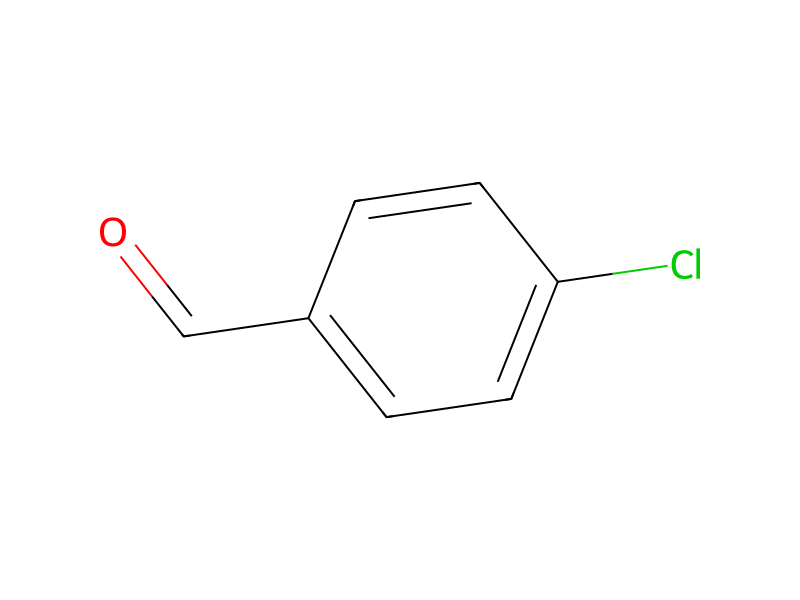



Procedure
Oxindole (0.13 g, 1 mmol), 4-chlorobenzaldehyde (0.17 g, 1.2 mmol) were mixed in alcohol; then pyrrolidine (0.17 ml, 2 mmol) was added. The mixture was refluxed for 3 hours. The formed precipitates was collected by filtration and washed with alcohol twice to give the title compound as yellow powder (0.24 g, 92%). LC/MS m/e calcd. for C15H10ClNO 255, observed (M+H)+: 256.1.
Workup
- temperatureThe mixture was refluxed for 3 hours
- customThe formed precipitates
- filtrationwas collected by filtration
- washwashed with alcohol twice
Sources & evidence
- ORD record
- ord-4d1c8ca6092e49eeb8520ba43c67ef62
- Source dataset
- uspto-grants-2013_01
- Patent number
- US08354443B2
Reaction notes
Loading…