Hydrochloric Acid → 2-(5-Isocyanato-2-trifluoromethoxyphenyl)benzoxazole
Reaction equation

[O:1]1[C:5]2[CH:6]=[CH:7][CH:8]=[CH:9][C:4]=2[N:3]=[C:2]1[C:10]1[CH:11]=[C:12]([NH2:21])[CH:13]=[CH:14][C:15]=1[O:16][C:17]([F:20])([F:19])[F:18].Cl.Cl[C:24](OC(Cl)(Cl)Cl)=[O:25]>C1(C)C=CC=CC=1.C(OCC)(=O)C>[N:21]([C:12]1[CH:13]=[CH:14][C:15]([O:16][C:17]([F:19])([F:18])[F:20])=[C:10]([C:2]2[O:1][C:5]3[CH:6]=[CH:7][CH:8]=[CH:9][C:4]=3[N:3]=2)[CH:11]=1)=[C:24]=[O:25]Participants





Procedure
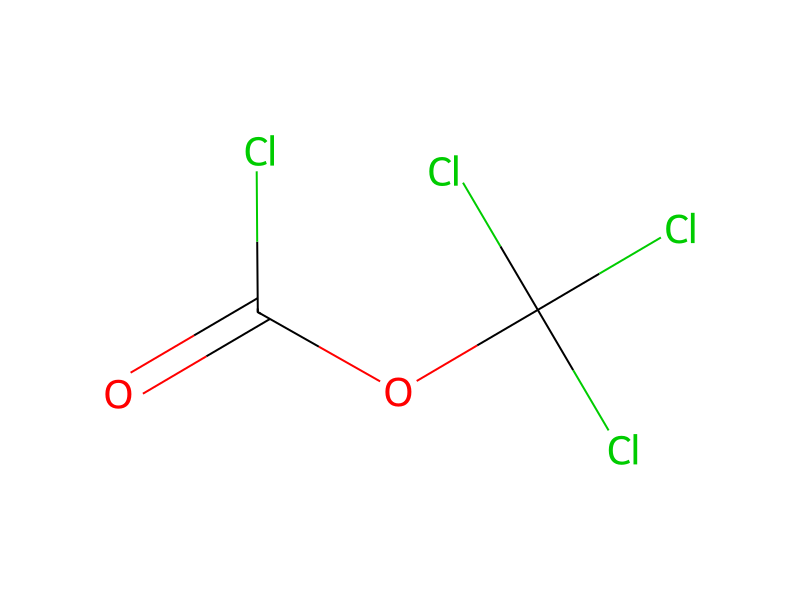
A solution of 3-benzoxazol-2-yl-4-trifluoromethoxyphenylamine (210 mg, 0.71 mmol) in 5 mL of dry toluene was stirred while 1.15 mL of 3.1N hydrochloric acid in ethyl acetate was added. The precipitate was concentrated by evaporation. Another 5 mL of toluene was added followed by evaporation. This procedure was repeated 3 times to remove excess of hydrochloric acid. The amine hydrochloride was dissolved in 5 mL of toluene and trichloromethyl chloroformate (0.853 mL, 7.1 mmol) was added. The mixture was refluxed overnight under a nitrogen atmosphere, evaporated at 70° C. followed by stripping with dry toluene. 2-(5-Isocyanato-2-trifluoromethoxyphenyl)benzoxazole (160 mg, 70%) was obtained as crystals and used immediately to synthesize the title compound.
Workup
- additionwas added
- concentrationThe precipitate was concentrated by evaporation
- additionAnother 5 mL of toluene was added
- customfollowed by evaporation
- customto remove excess of hydrochloric acid
- dissolutionThe amine hydrochloride was dissolved in 5 mL of toluene
- temperatureThe mixture was refluxed overnight under a nitrogen atmosphere
- customevaporated at 70° C.
Sources & evidence
- ORD record
- ord-be8e2e9c2ff5452d9ffa8d59ade9057f
- Source dataset
- uspto-grants-2005_04
- Patent number
- US06875760B2
Reaction notes
Loading…