Hydrochloric Acid → Dimethyl 2-(4-chloro-2-nitrophenyl)malonate
Reaction equation

[H-].[Na+].[C:3]([O:10][CH3:11])(=[O:9])[CH2:4][C:5]([O:7][CH3:8])=[O:6].Cl[C:13]1[CH:18]=[C:17](Cl)[CH:16]=[CH:15][C:14]=1[N+:20]([O-:22])=[O:21].[ClH:23].[OH-].[Na+]>CN1C(=O)CCC1>[CH3:8][O:7][C:5](=[O:6])[CH:4]([C:13]1[CH:18]=[CH:17][C:16]([Cl:23])=[CH:15][C:14]=1[N+:20]([O-:22])=[O:21])[C:3]([O:10][CH3:11])=[O:9]Participants

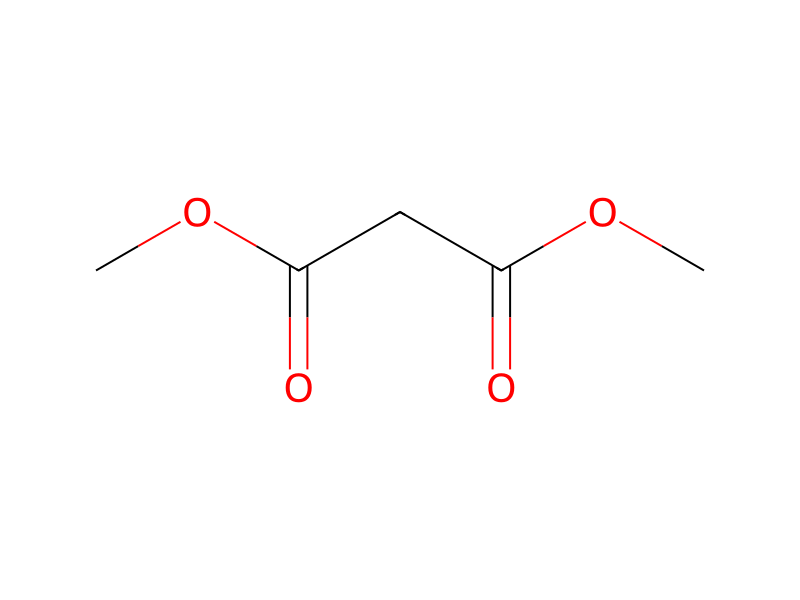





Procedure
To a stirred slurry of NaH (36.0 g, 1500 mmol) in NMP (1.0 L) was added dimethyl malonate (137.4 mL, 1200 mmol) drop wise. The reaction was cooled as needed to keep the internal temperature below 30 degrees Celsius. After gas evolution ceased, 2,4-dichloronitrobenzene (192 g, 1000 mmol) was added to the reaction. It was carefully heated to 65 degrees Celsius until the reaction was complete as determined by HPLC. The reaction was cooled to room temperature, and then poured over 500 mL ice mixed with 150 mL conc. HCl. The pH of the aqueous layer was adjusted to neutral using 1 N NaOH. The solids were removed by filtering through a coarse fritted filter, and rinsed with water (3 L). The yellow solids were allowed to dry overnight. Yield 261.5 g, 91%.
Workup
- temperatureThe reaction was cooled
- customthe internal temperature below 30 degrees Celsius
- temperatureIt was carefully heated to 65 degrees Celsius until the reaction
- customThe solids were removed
- filtrationby filtering through a coarse fritted filter
- washrinsed with water (3 L)
- customto dry overnight
Sources & evidence
- ORD record
- ord-fd156a5d31cb455ba4f0f9d919166103
- Source dataset
- uspto-grants-2006_05
- Patent number
- US07053107B2
Reaction notes
Loading…