Hydrochloric Acid → HCID 86760108, compound
Reaction equation

[CH3:1][C:2]1[CH:7]=[CH:6][N:5]=[CH:4][C:3]=1[C:8]1[N:9]=[C:10]([C:13]2[CH:18]=[C:17]([N+:19]([O-])=O)[CH:16]=[CH:15][C:14]=2[CH3:22])[S:11][CH:12]=1.[CH:23](OCC)=[O:24].Cl>C(O)=O.C(OCC)(=O)C>[CH3:22][C:14]1[CH:15]=[CH:16][C:17]([NH:19][CH:23]=[O:24])=[CH:18][C:13]=1[C:10]1[S:11][CH:12]=[C:8]([C:3]2[CH:4]=[N:5][CH:6]=[CH:7][C:2]=2[CH3:1])[N:9]=1Participants
6
Reactant 3

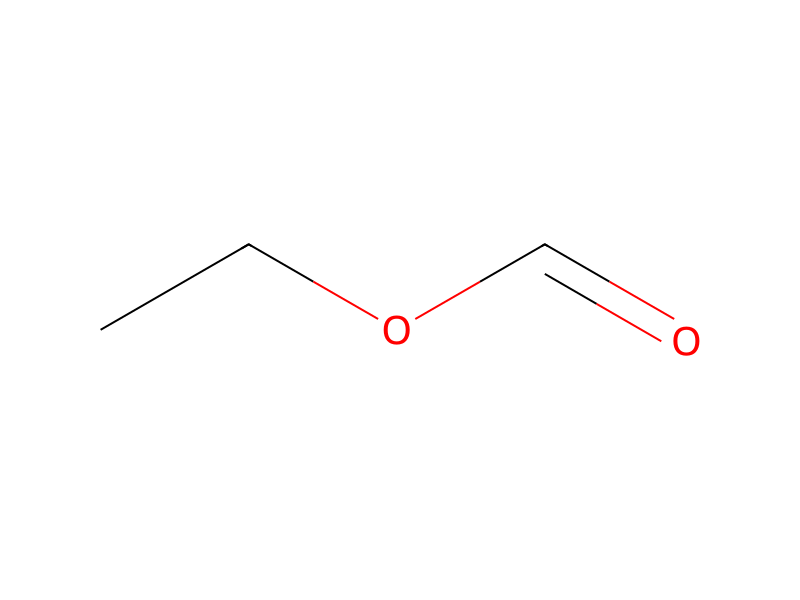

Product 1

Reagents, catalysts & solvents 2


Conditions
- Temperature
- 80 °C
Procedure
4-Methyl-3-[2-(2-methyl-5-nitrophenyl)-1,3-thiazol-4-yl]pyridine (98 mg) and reduced iron (170 mg) were suspended in a mixture of formic acid (3 ml)-ethyl formate (3 ml). 1N Hydrochloric acid (0.2 ml) was added and the mixture was stirred at 80° C. for 12 hrs. The reaction mixture was diluted with ethyl acetate and the insoluble material was filtered off. The organic layer was neutralized with saturated aqueous sodium hydrogen carbonate. The organic layer was separated and concentrated by drying. The residue was subjected to silica gel column chromatography (eluent, hexane:ethyl acetate=1:1–0:1) for purification. Recrystallization from ethyl acetate gave the title compound (15 mg) as pale-yellow columnar crystals.
Workup
- filtrationthe insoluble material was filtered off
- customThe organic layer was separated
- concentrationconcentrated
- customby drying
- customThe residue was subjected to silica gel column chromatography (eluent, hexane:ethyl acetate=1:1–0:1) for purification
- customRecrystallization from ethyl acetate
Sources & evidence
- ORD record
- ord-88631fde30a74d7d84317c3d437802a8
- Source dataset
- uspto-grants-2006_06
- Patent number
- US07067537B2
Reaction notes
Loading…