Sodium Hydroxide → HCID 19819855, compound
Reaction equation

[CH2:1]([S:5]([C:8]1[CH:17]=[CH:16][C:11]([NH:12]C(=O)C)=[CH:10][CH:9]=1)(=[O:7])=[O:6])[CH2:2][CH2:3][CH3:4].[N:18]([O-])=O.[Na+].S([O-])([O-])=O.[Na+].[Na+].[OH-].[Na+]>O.Cl.C(O)C>[CH2:1]([S:5]([C:8]1[CH:17]=[CH:16][C:11]([NH:12][NH2:18])=[CH:10][CH:9]=1)(=[O:7])=[O:6])[CH2:2][CH2:3][CH3:4]Participants
Reactant 4

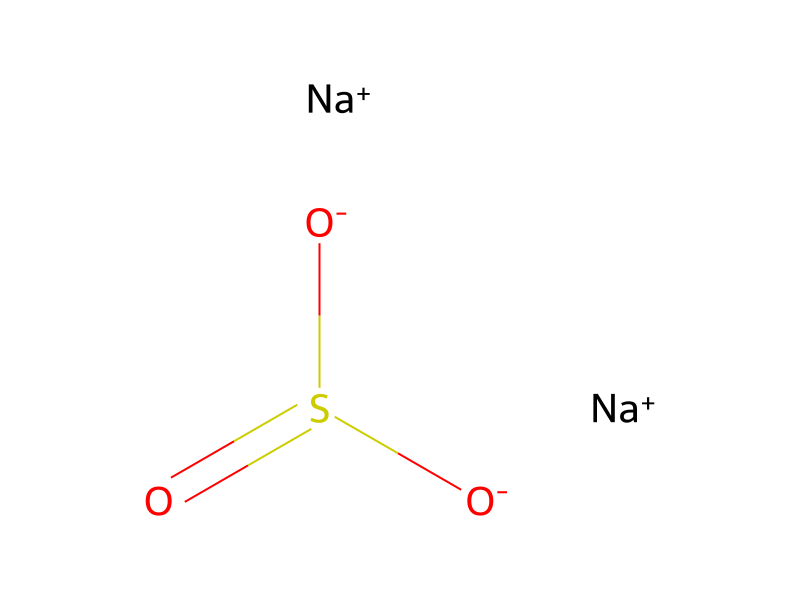


Product 1

Reagents, catalysts & solvents 3



Conditions
- Temperature
- 0 °C
Procedure
255 g of p-butylsulphonylacetanilide, in a mixture of 1.5 l of water and 300 ml of concentrated hydrochloric acid, are boiled for 1 hour under reflux. After cooling to 0° C, the product is diazotised with a solution of 70 g of NaNO2 in 175 ml of water. The filtered diazonium salt solution is added, at 5°-10° C, to a mixture of 750 g of 40% strength sodium sulphite solution and 750 ml of water which had been adjusted to pH 7 with concentrated sodium hydroxide solution, the pH being maintained at 6-7 by means of concentrated sodium hydroxide solution. After standing overnight, 300 ml of concentrated hydrochloric acid are added and the mixture is boiled for 1 hour. p-Butylsulphonylphenylhydrazine of melting point 138° C (from ethanol) is obtained, in a yield of approx. 70- 75% of theory, from the cooled solution by careful addition of alkali.
Workup
- temperatureunder reflux
- waitAfter standing overnight
- waitthe mixture is boiled for 1 hour
Sources & evidence
- ORD record
- ord-abc88074ae2f4e0bbd6cbe2d758bc98c
- Source dataset
- uspto-grants-1978_01
- Patent number
- US04071466
Reaction notes
Loading…