4-Chlorophenol → Pyrimidine, 4-chloro-6-(4-chlorophenoxy)-
Reaction equation

Cl[C:2]1[CH:7]=[C:6]([Cl:8])[N:5]=[CH:4][N:3]=1.[Cl:9][C:10]1[CH:15]=[CH:14][C:13]([OH:16])=[CH:12][CH:11]=1.C(=O)([O-])[O-].[K+].[K+].[OH-].[Na+]>C(#N)C.[I-].[Na+]>[Cl:8][C:6]1[CH:7]=[C:2]([O:16][C:13]2[CH:14]=[CH:15][C:10]([Cl:9])=[CH:11][CH:12]=2)[N:3]=[CH:4][N:5]=1Participants
7
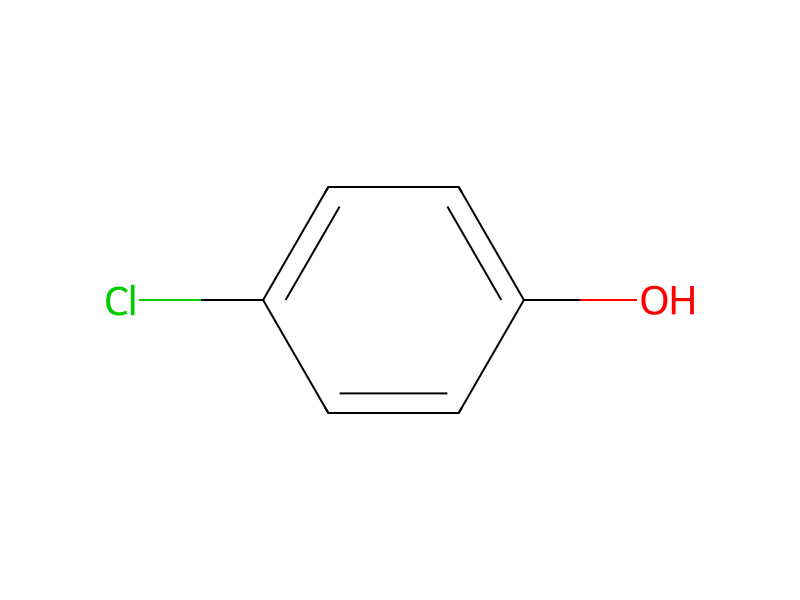






Procedure
4,6-Dichloropyrimidine (149 mg, 1 mmol), 4-chlorophenol (135 mg, 1.05 mmol), potassium carbonate (166 mg, 1.2 mmol) and sodium iodide (7.5 mg, 0.05 mmol) were stirred in acetonitrile (3 mL) at 20° C. under an atmosphere of nitrogen for 16 h. The reaction was poured onto 1 N aqueous sodium hydroxide solution and the mixture was extracted with diethyl ether. The organic layer was washed with brine, dried over sodium sulfate, and the solvent was evaporated under reduced pressure. The title compound (224 mg, 93%) was obtained as a pale-yellow solid.
Workup
- extractionthe mixture was extracted with diethyl ether
- washThe organic layer was washed with brine
- dry with materialdried over sodium sulfate
- customthe solvent was evaporated under reduced pressure
Sources & evidence
- ORD record
- ord-9604e9bc6533485688207cf92a1f9182
- Source dataset
- uspto-grants-2015_02
- Patent number
- US08962834B2
Reaction notes
Loading…