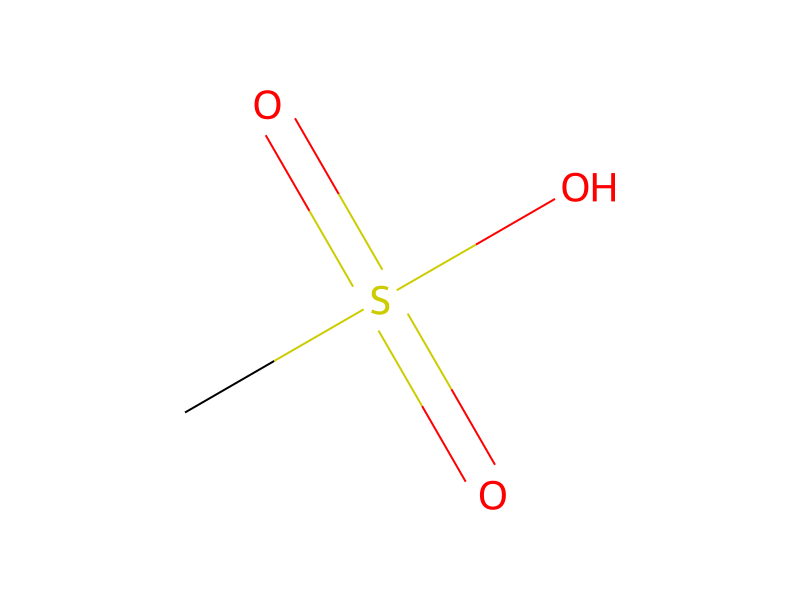
Methanesulfonic Acid → HCID 86737145, compound
Reaction equation

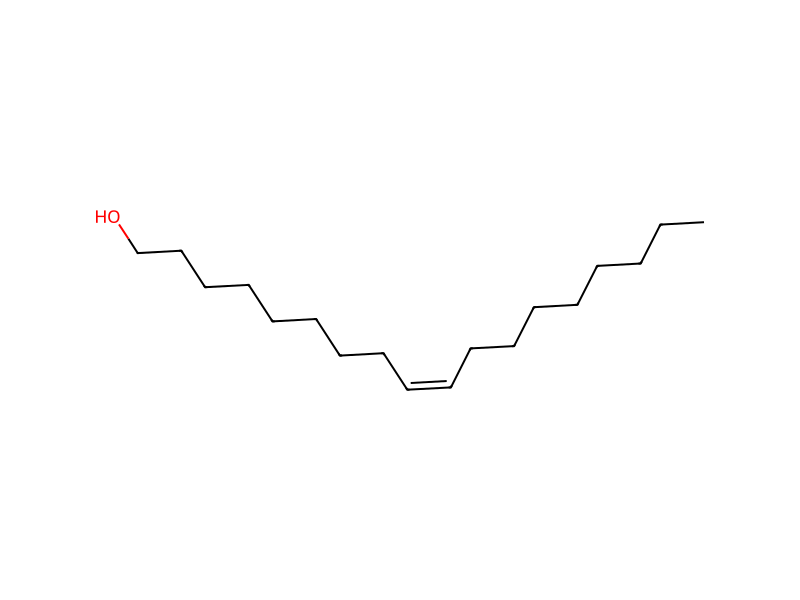
[CH2:1]([OH:19])[CH2:2][CH2:3][CH2:4][CH2:5][CH2:6][CH2:7][CH2:8]/[CH:9]=[CH:10]\[CH2:11][CH2:12][CH2:13][CH2:14][CH2:15][CH2:16][CH2:17][CH3:18].[C:20]1(=[O:27])[O:26][C:24](=[O:25])[CH2:23][CH2:22][CH2:21]1.[CH3:28][CH2:29][CH2:30][CH2:31][CH2:32][CH2:33][CH3:34].CS(O)(=O)=O>O>[C:24]([O:26][CH2:28][CH2:29][CH2:30][CH2:31][CH2:32][CH2:33][CH2:34][CH2:1]/[CH:2]=[CH:3]\[CH2:4][CH2:5][CH2:6][CH2:7][CH2:8][CH2:9][CH2:10][CH3:11])(=[O:25])[CH2:23][CH2:22][CH2:21][C:20]([O:19][CH2:1][CH2:2][CH2:3][CH2:4][CH2:5][CH2:6][CH2:7][CH2:8]/[CH:9]=[CH:10]\[CH2:11][CH2:12][CH2:13][CH2:14][CH2:15][CH2:16][CH2:17][CH3:18])=[O:27]Participants
Reactant 4


Product 1

Reagents, catalysts & solvents 1

Conditions
- Temperature
- 25 °C
Procedure
Dioleyl glutarate was synthesized by refluxing 421.2 grams (1.57 moles) oleyl alcohol, 85.6 grams (0.75 mole) glutaric anhydride, 204 grams (300 ml) heptane and 0.96 grams (0.01 mole) methane sulfonic acid under a nitrogen atmosphere for 5 hours in a 3-liter, 3-necked flask equipped with an air driven stirrer, thermometer, reflux condenser and heating mantle. Water produced in the reaction was removed in a Dean-Stark trap. The product solution was allowed to cool to 25° C. overnight with agitation and under a nitrogen atmosphere. Next, the product solution was diluted with 300 ml of hexane, washed with 2% aqueous sodium hydroxide and dried over molecular sieves. Most of the hydrocarbon solvent was removed by rotary evaporation using a water aspirator vacuum source. High vacuum stripping at a pressure of from 1.5 mm.Hg. to 2.0 mm.Hg. and a temperature of from 240° C. to 260° C. for 4 hours removed the last traces of solvent. Analysis indicates that the dioleyl glutarate produced contained 3.8% oleyl alcohol.
Workup
- customequipped with an air
- temperaturethermometer, reflux condenser
- temperatureheating mantle
- customwas removed in a Dean-Stark trap
- additionNext, the product solution was diluted with 300 ml of hexane
- washwashed with 2% aqueous sodium hydroxide
- customdried over molecular sieves
- customMost of the hydrocarbon solvent was removed by rotary evaporation
- customand a temperature of from 240° C. to 260° C. for 4 hours removed the last traces of solvent
- customproduced
Sources & evidence
- ORD record
- ord-9601aa72782e410c94d045e5353df9ad
- Source dataset
- uspto-grants-1980_08
- Patent number
- US04218331
Reaction notes
Loading…