Hydrogen Peroxide → HCID 54214368, compound
Reaction equation

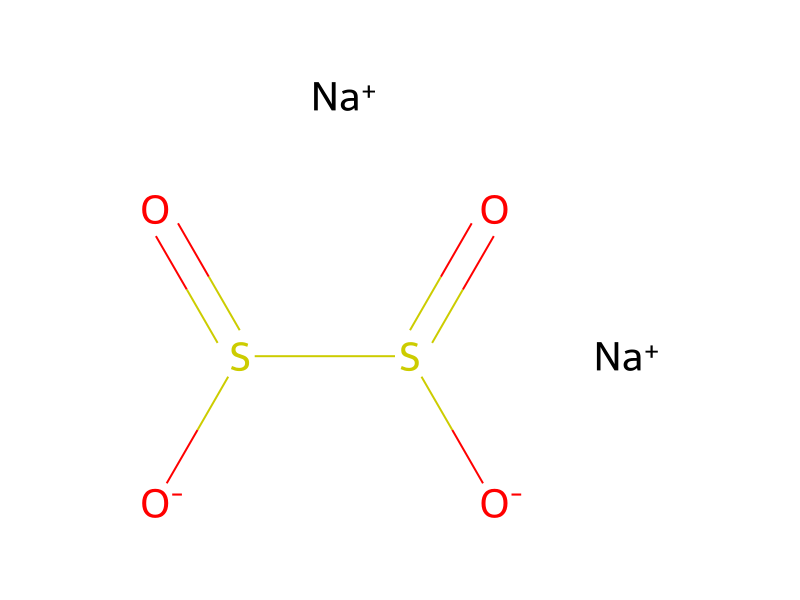
[OH-].[Li+].OO.C([C@H]1COC(=O)N1[C:18](=[O:38])[C@@H:19]([O:28][C:29]1[CH:34]=[CH:33][C:32]([CH:35]([CH3:37])[CH3:36])=[CH:31][CH:30]=1)[CH2:20][C:21]1[CH:26]=[CH:25][C:24]([OH:27])=[CH:23][CH:22]=1)C1C=CC=CC=1.S(S([O-])=O)([O-])=[O:40].[Na+].[Na+]>CO.O1CCCC1.O>[OH:27][C:24]1[CH:23]=[CH:22][C:21]([CH2:20][C@H:19]([O:28][C:29]2[CH:30]=[CH:31][C:32]([CH:35]([CH3:36])[CH3:37])=[CH:33][CH:34]=2)[C:18]([OH:38])=[O:40])=[CH:26][CH:25]=1Participants







Procedure
A mixture of aqueous lithium hydroxide solution (1N, 57.0 ml) and aqueous hydrogen peroxide solution (31%, 6.34 ml) was added dropwise to a suspension of (S)-4-benzyl-3-[(S)-3-(4-hydroxyphenyl)-2-(4-isopropylphenoxy)propionyl]oxazolidine-2-one (10.6 g), which is the product of Reference example 29(d), in a mixture of methanol (140 ml) and tetrahydrofuran (15 ml). After the mixture was stirred at ambient temperature for 6 hours, a solution of sodium dithionite (10.1 g) in water (50 ml) was added to the reaction mixture and the mixture was stirred for 1 hour. The reaction mixture was concentrated under reduced pressure. Aqueous sodium hydroxide solution (1N) was added to the residue to make it basic. The solution was washed with dichloromethane and partitioned between aqueous hydrogen chloride solution and ethyl acetate. The ethyl acetate layer was separated and dried over anhydrous magnesium sulfate and then concentrated under reduced pressure. The residue was crystallized from hexane to afford (S)-3-(4-hydroxyphenyl)-2-(4-isopropylphenoxy)propionic acid (6.00 g) as a white powder. Oxalyl chloride (5.50 ml) and N,N-dimethylformamide (5 drops) were added to a suspension of this carboxylic acid (4.43 g) in dichloromethane (100 ml) at ambient temperature. The mixture was stirred for 1 hour. At the end of this time the reaction mixture was concentrated under reduced pressure. The residue was azeotropically distilled off using toluene to remove excess reagent. 2-Trimethylsilylethanol (9.06 ml) was added to a solution of the residue in dichloromethane (50 ml). This mixture was stirred at ambient temperature for 15 hours. Triethylamine (4.40 ml) and 4-N,N-dimethylaminopyridine (155 mg) were added to the mixture. This mixture was stirred at ambient temperature for 2 hours. The reaction mixture was concentrated under reduced pressure. The residue was partitioned between ethyl acetate and water and the layers were separated. The ethyl acetate layer was washed with saturated aqueous sodium chloride solution and dried over anhydrous magnesium sulfate and concentrated under reduced pressure. The residue was purified via chromatography on a silica gel column using hexane/ethyl acetate=5/1-4/1 as the eluant to afford the desired compound (5.30 g) as a pale yellow oil.
Workup
- stirringthe mixture was stirred for 1 hour
- concentrationThe reaction mixture was concentrated under reduced pressure
- additionAqueous sodium hydroxide solution (1N) was added to the residue
- washThe solution was washed with dichloromethane
- custompartitioned between aqueous hydrogen chloride solution and ethyl acetate
- customThe ethyl acetate layer was separated
- dry with materialdried over anhydrous magnesium sulfate
- concentrationconcentrated under reduced pressure
- customThe residue was crystallized from hexane
Sources & evidence
- ORD record
- ord-2db8300a563043a9877be494b9b66596
- Source dataset
- uspto-grants-2003_03
- Patent number
- US06528525B1
Reaction notes
Loading…