Triphenylphosphine → N,N'-di-(t-butoxycarbonyl)-N-(3-nitrophenylmethyl)hydrazine
Reaction equation

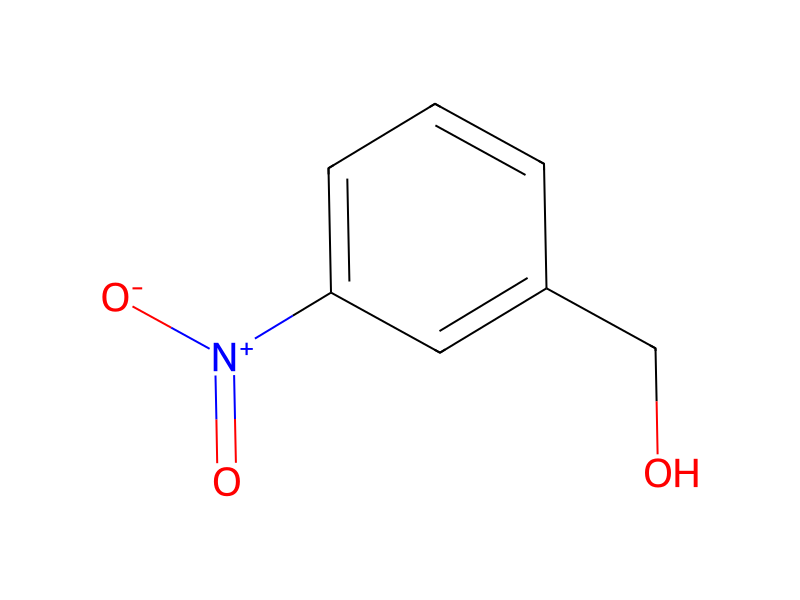
C1(P(C2C=CC=CC=2)C2C=CC=CC=2)C=CC=CC=1.[N:20]([C:29]([O:31][C:32]([CH3:35])([CH3:34])[CH3:33])=[O:30])=[N:21][C:22]([O:24][C:25]([CH3:28])([CH3:27])[CH3:26])=[O:23].[N+:36]([C:39]1[CH:40]=[C:41]([CH:44]=[CH:45][CH:46]=1)[CH2:42]O)([O-:38])=[O:37]>O1CCCC1>[C:32]([O:31][C:29]([N:20]([CH2:42][C:41]1[CH:44]=[CH:45][CH:46]=[C:39]([N+:36]([O-:38])=[O:37])[CH:40]=1)[NH:21][C:22]([O:24][C:25]([CH3:26])([CH3:27])[CH3:28])=[O:23])=[O:30])([CH3:35])([CH3:34])[CH3:33]Participants
5




Procedure
To a solution of triphenylphosphine (2.06 g) in tetrahydrofuran (20 ml), a solution of di-t-butyl azodicarboxylate (1.80 g) in tetrahydrofuran (15 ml) was added dropwise under ice cooling and stirred for 15 min. To the reaction mixture, a solution of m-nitrobenzyl alcohol (1.0 g) in tetrahydrofuran (15 ml) was added dropwise and stirred at room temperature for 63 h. The reaction mixture was concentrated under reduced pressure and the resulting residue was purified by silica gel column chromatography (eluent, n-hexane:ethyl acetate=1:1) to give 2.25 g of the titled compound (yield, 94%).
Workup
- stirringstirred at room temperature for 63 h
- concentrationThe reaction mixture was concentrated under reduced pressure
- customthe resulting residue was purified by silica gel column chromatography (eluent, n-hexane:ethyl acetate=1:1)
Sources & evidence
- ORD record
- ord-b89f98275354457ca4b909881c91bffe
- Source dataset
- uspto-grants-2003_03
- Patent number
- US06534546B1
Reaction notes
Loading…