Benzyl Alcohol → 2-(Benzyloxy)-6-chloro-3-nitropyridine
Reaction equation

[H-].[Na+].Cl[C:4]1[C:9]([N+:10]([O-:12])=[O:11])=[CH:8][CH:7]=[C:6]([Cl:13])[N:5]=1.[CH2:14]([OH:21])[C:15]1[CH:20]=[CH:19][CH:18]=[CH:17][CH:16]=1>O1CCCC1>[Cl:13][C:6]1[N:5]=[C:4]([O:21][CH2:14][C:15]2[CH:20]=[CH:19][CH:18]=[CH:17][CH:16]=2)[C:9]([N+:10]([O-:12])=[O:11])=[CH:8][CH:7]=1Participants
5
Reactant 3


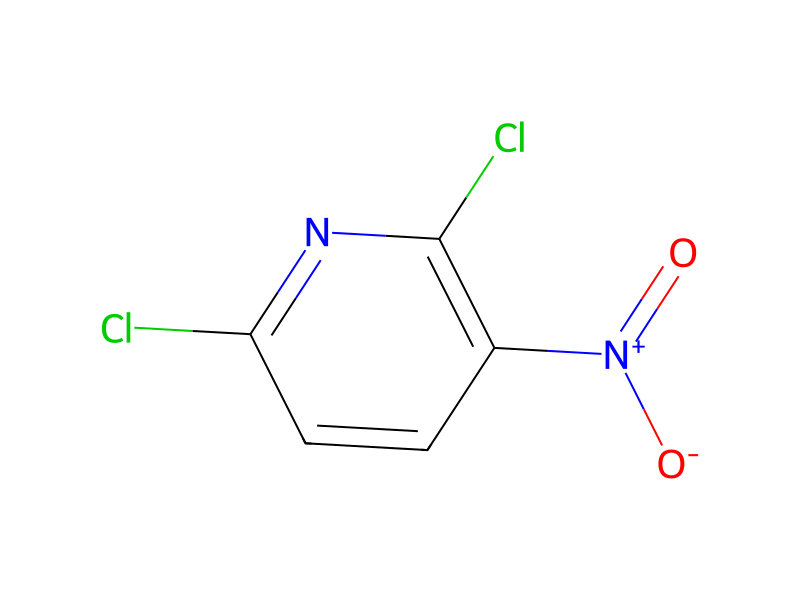
Product 1

Reagents, catalysts & solvents 1

Conditions
- Temperature
- 0 °C
Procedure
2.0 g of sodium hydride was added to a mixture of 9.65 g of 2,6-dichloro-3-nitropyridine, 5.41 g of benzyl alcohol and 30 ml of tetrahydrofuran 0° C. The mixture was stirred at 0° C. for 1.5 hours, then at room temperature for 1.5 hours. The reaction solution was poured into ice water, and extracted with ethyl acetate. The organic layer was washed with saturated saline, dried over anhydrous magnesium sulfate, and concentrated. The residue was subjected to silica gel column chromatography to obtain 10.93 g of 6-chloro-2-benzyloxy-3-nitropyridine.
Workup
- waitat room temperature for 1.5 hours
- extractionextracted with ethyl acetate
- washThe organic layer was washed with saturated saline
- dry with materialdried over anhydrous magnesium sulfate
- concentrationconcentrated
Sources & evidence
- ORD record
- ord-f4439a8240f14d2d8f47f1c20f448ba9
- Source dataset
- uspto-grants-2003_03
- Patent number
- US06537948B1
Reaction notes
Loading…