Triethylamine → Methyl 3-isocyanatothiophene-2-carboxylatato
Reaction equation

[O:1]=[C:2](Cl)OC(Cl)(Cl)Cl.[NH2:9][C:10]1[CH:14]=[CH:13][S:12][C:11]=1[C:15]([O:17][CH3:18])=[O:16].C(N(CC)CC)C>O1CCOCC1>[N:9]([C:10]1[CH:14]=[CH:13][S:12][C:11]=1[C:15]([O:17][CH3:18])=[O:16])=[C:2]=[O:1]Participants
5
Reactant 3

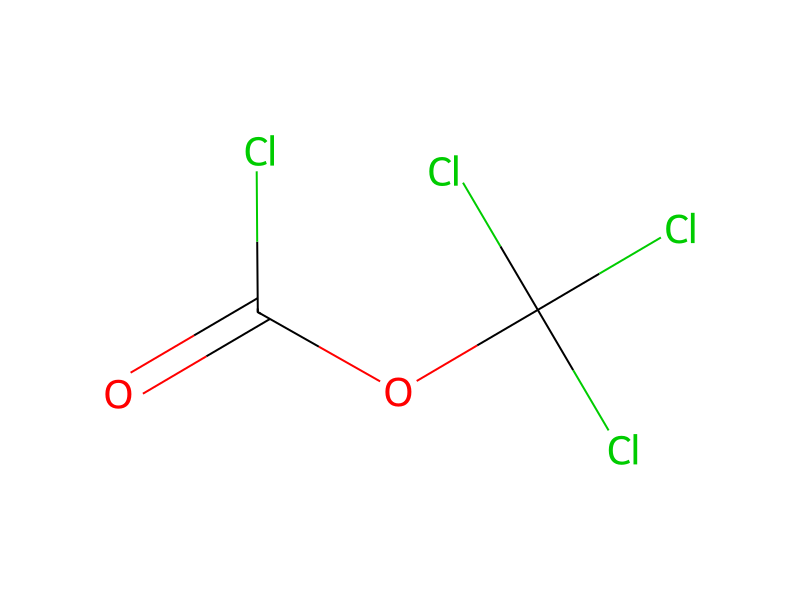
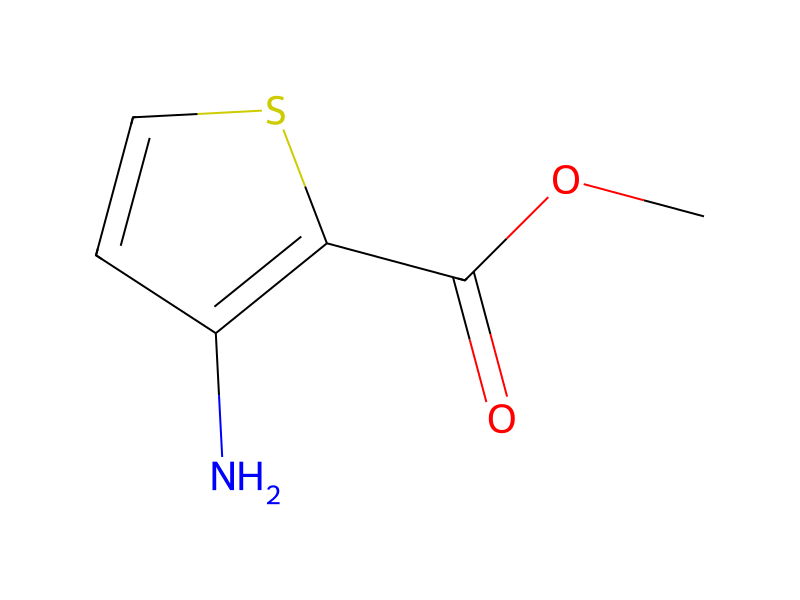
Product 1

Reagents, catalysts & solvents 1

Procedure
Diphosgene (4.6 mL) was added dropwise to a solution of methyl 3-amino-2-thiophenecarboxylate (5.0 g) in p-dioxane (100 mL) at room temperature under N2. Triethylamine (5.3 mL) was then added with concomitant formation of a white precipitate. The resulting reaction mixture was heated at reflux overnight. The reaction was allowed to cool to room temperature and then filtered to remove solid impurities. The precipitate was rinsed with diethyl ether (about 250 mL) and the filtrate was concentrated under reduced pressure to yield 6.4 g of crude title compound of Step A as a brown solid. 1H NMR (CDCl3): δ 7.43 (d,1H), 6.78 (d,1H), 3.92 (s,3H).
Workup
- customThe resulting reaction mixture
- temperaturewas heated
- temperatureat reflux overnight
- filtrationfiltered
- customto remove solid impurities
- washThe precipitate was rinsed with diethyl ether (about 250 mL)
- concentrationthe filtrate was concentrated under reduced pressure
Sources & evidence
- ORD record
- ord-cfab7b1c4a6843019e0cb39045efbcef
- Source dataset
- uspto-grants-2000_08
- Patent number
- US06096895
Reaction notes
Loading…