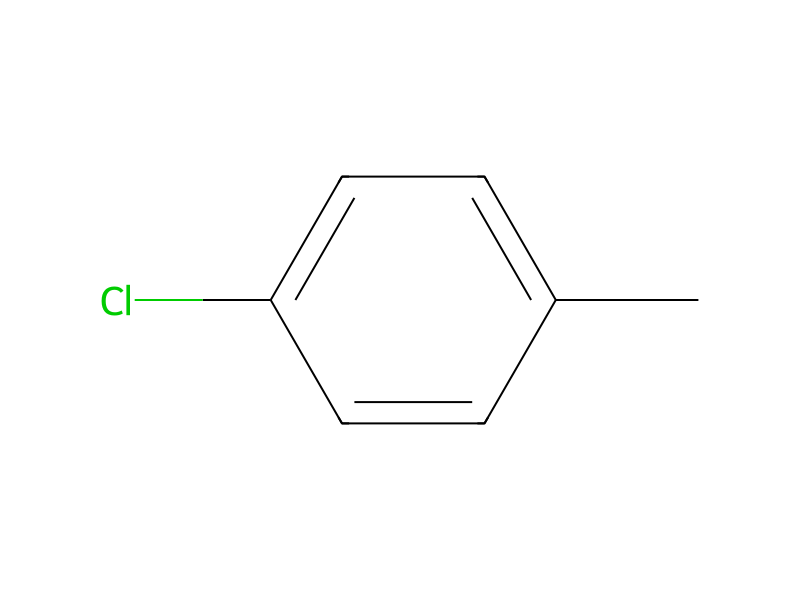
4-Chlorotoluene → HCID 10130667, compound
Reaction equation

Cl[C:2]1[CH:7]=[CH:6][C:5]([CH3:8])=[CH:4][CH:3]=1.[CH2:9]([NH:13][CH2:14][CH2:15][CH2:16][CH3:17])[CH2:10][CH2:11][CH3:12].C(P(C(C)(C)C)C(C)(C)C)(C)(C)C>C1(C)C=CC=CC=1.C1C=CC(/C=C/C(/C=C/C2C=CC=CC=2)=O)=CC=1.C1C=CC(/C=C/C(/C=C/C2C=CC=CC=2)=O)=CC=1.[Pd]>[CH2:9]([N:13]([CH2:14][CH2:15][CH2:16][CH3:17])[C:2]1[CH:7]=[CH:6][C:5]([CH3:8])=[CH:4][CH:3]=1)[CH2:10][CH2:11][CH3:12]Participants
6



Procedure
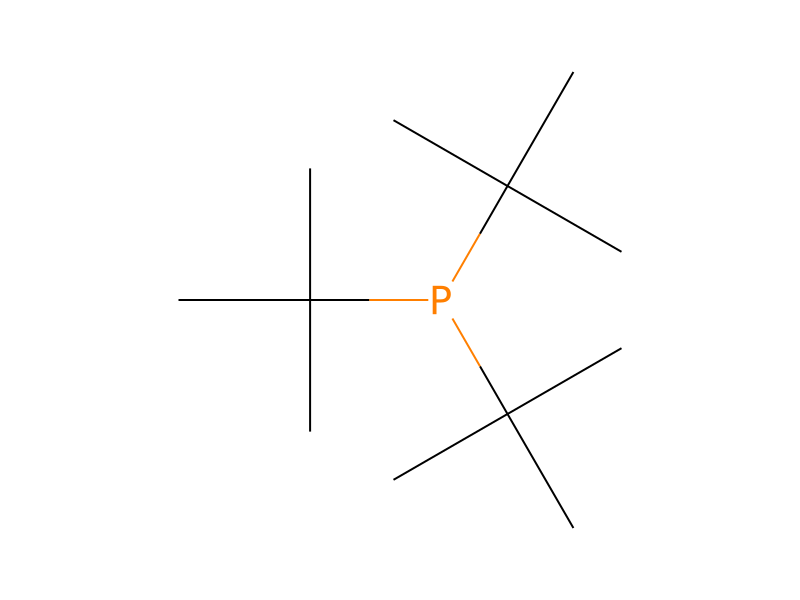
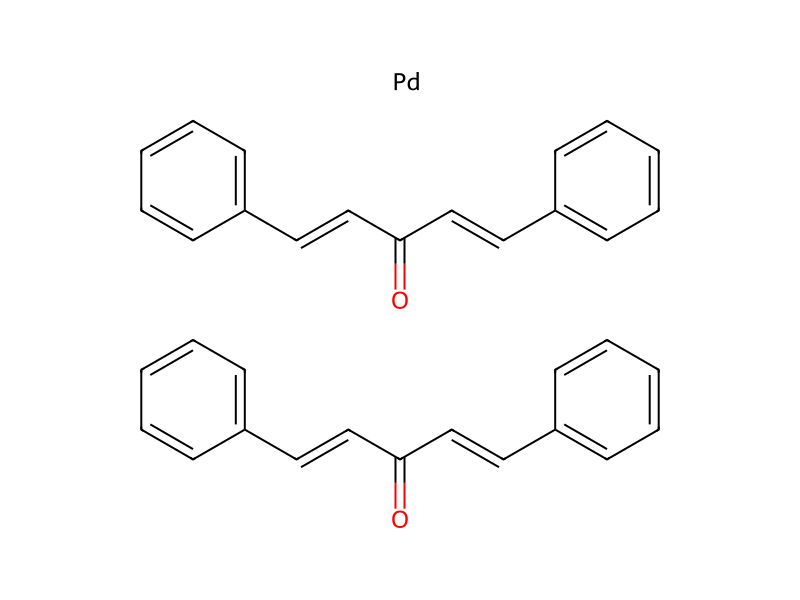
The above general procedure was followed using 4-chlorotoluene (126 mg, 1.00 mmol) and dibutylamine (129 mg, 1.00 mmol) with 1 mol % Pd(dba)2 and 0.8 mol % tri-t-butylphosphine in 1.0 mL of toluene. After 4 hours at 70° C., the reaction mixture was adsorbed onto silica gel and chromatographed with 2% ethyl acetate/hexanes to give 196 mg (90%) of N,N-dibutyl-p-toluidine.
Workup
- customchromatographed with 2% ethyl acetate/hexanes
Sources & evidence
- ORD record
- ord-15ba19e107ce4030a86c0434522e3092
- Source dataset
- uspto-grants-2000_08
- Patent number
- US06100398
Reaction notes
Loading…