Indole → N-(4-methylphenyl)indole
Reaction equation

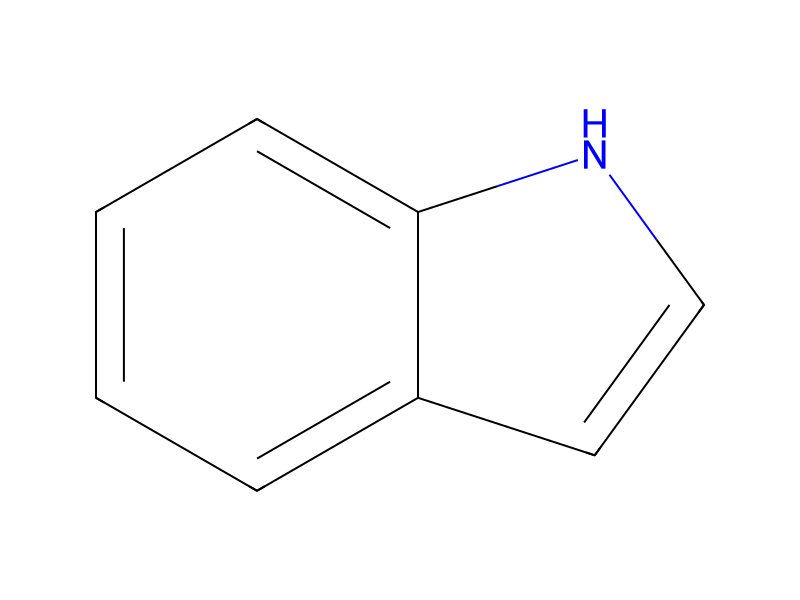
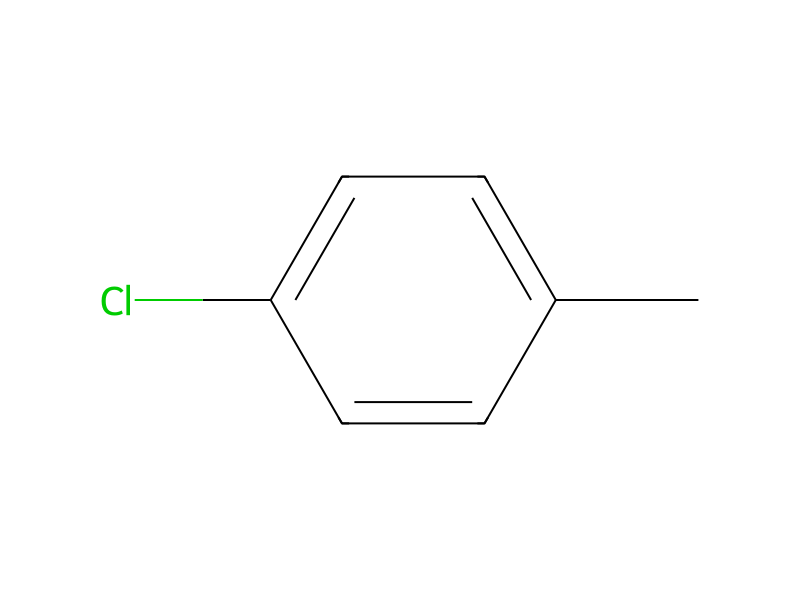
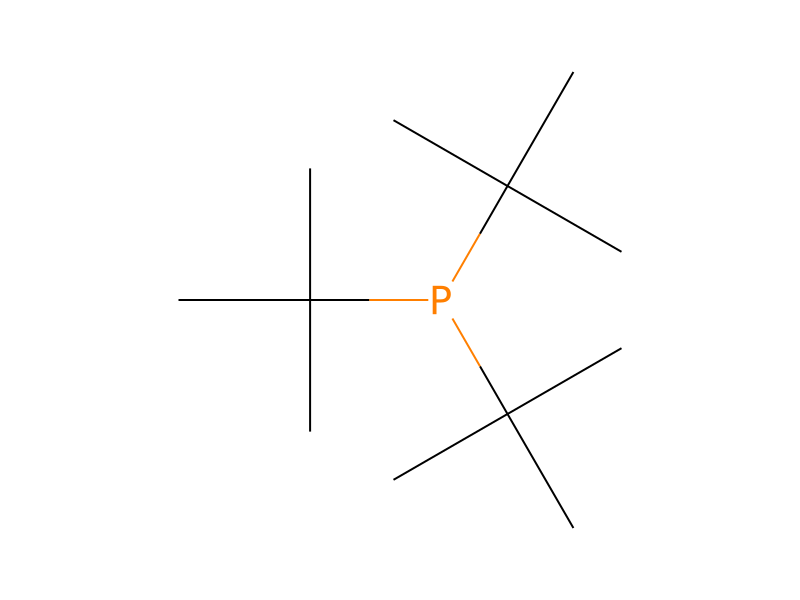
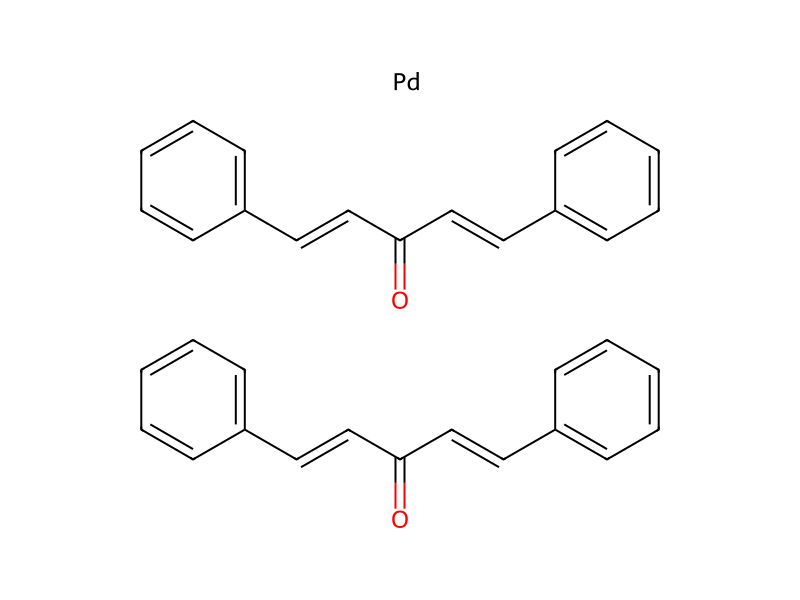
Cl[C:2]1[CH:7]=[CH:6][C:5]([CH3:8])=[CH:4][CH:3]=1.[NH:9]1[C:17]2[C:12](=[CH:13][CH:14]=[CH:15][CH:16]=2)[CH:11]=[CH:10]1.C(P(C(C)(C)C)C(C)(C)C)(C)(C)C.C(=O)([O-])[O-].[Cs+].[Cs+]>C1(C)C=CC=CC=1.C1C=CC(/C=C/C(/C=C/C2C=CC=CC=2)=O)=CC=1.C1C=CC(/C=C/C(/C=C/C2C=CC=CC=2)=O)=CC=1.[Pd]>[CH3:8][C:5]1[CH:6]=[CH:7][C:2]([N:9]2[C:17]3[C:12](=[CH:13][CH:14]=[CH:15][CH:16]=3)[CH:11]=[CH:10]2)=[CH:3][CH:4]=1Participants



Procedure
Soc., Jpn., 55:1116-1120 (1982)). The above general procedure was followed using of 4-chlorotoluene (126 mg, 1.00 mmol), indole (117 mg, 1.00 mmol), 4 mol % Pd(dba)2, 4 mol % tri-t-butylphosphine, and cesium carbonate (1.50) in 1.0 mL of toluene. After 12 hours at 100° C., the reaction mixture was adsorbed onto silica gel and chromatographed with 10% ethyl acetate/hexanes to give 137 mg (66%) of N-(4-methylphenyl)indole. 1H NMR (500 MHz, CDCl3) δ 7.70 (d, J=7.8 Hz, 1H), 7.54 (d, J=8.2 Hz, 1H), 7.40 (d, J=7.8 Hz, 2H), 7.34-7.33 (m, 3H), 7.23 (t, J=7.8 Hz, 1H), 7.18 (t, J=7.8 Hz, 1H), 5 6.68 (d, J=2.4 Hz, 1H), 2.46 (s, 3H). 13C NMR (125 MHz, CDCl3) δ 137.4, 136.4, 136.1, 130.2, 129.3, 128.2, 124.4, 122.3, 121.2, 120.3, 110.6, 103.3, 21.1.
Workup
- customchromatographed with 10% ethyl acetate/hexanes
Sources & evidence
- ORD record
- ord-795fadbc0f284c529f1b1d0f349d7267
- Source dataset
- uspto-grants-2000_08
- Patent number
- US06100398
Reaction notes
Loading…