Tributylphosphine → Trioctylphosphine
Reaction equation

C([O-])=O.[NH4+].[CH2:5]([P:9]([CH2:14][CH2:15][CH2:16][CH3:17])[CH2:10][CH2:11][CH2:12][CH3:13])[CH2:6][CH2:7][CH3:8]>C1COCC1.C1C=CC(/C=C/C(/C=C/C2C=CC=CC=2)=O)=CC=1.C1C=CC(/C=C/C(/C=C/C2C=CC=CC=2)=O)=CC=1.C1C=CC(/C=C/C(/C=C/C2C=CC=CC=2)=O)=CC=1.[Pd].[Pd]>[CH2:14]([P:9]([CH2:5][CH2:6][CH2:7][CH2:8][CH2:8][CH2:7][CH2:6][CH3:5])[CH2:10][CH2:11][CH2:12][CH2:13][CH2:17][CH2:16][CH2:15][CH3:14])[CH2:15][CH2:16][CH2:17][CH2:10][CH2:11][CH2:12][CH3:13]Participants
Reactant 2
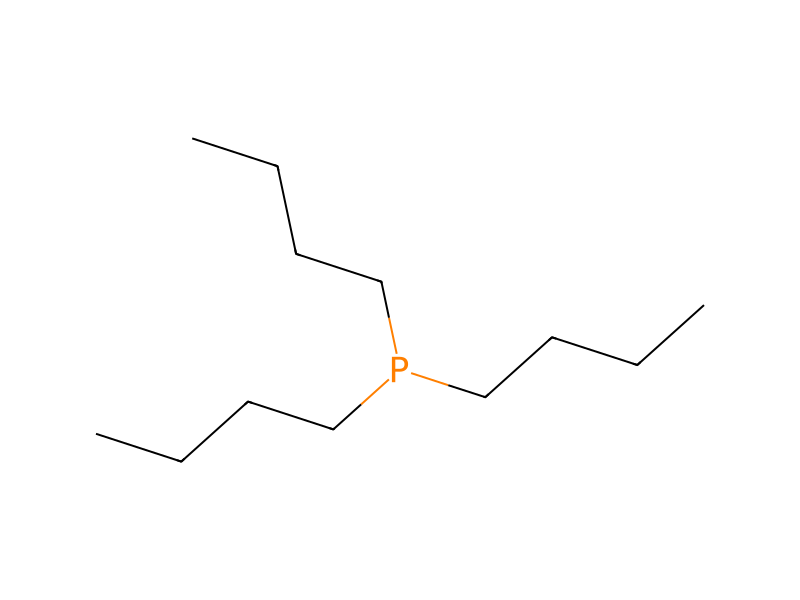
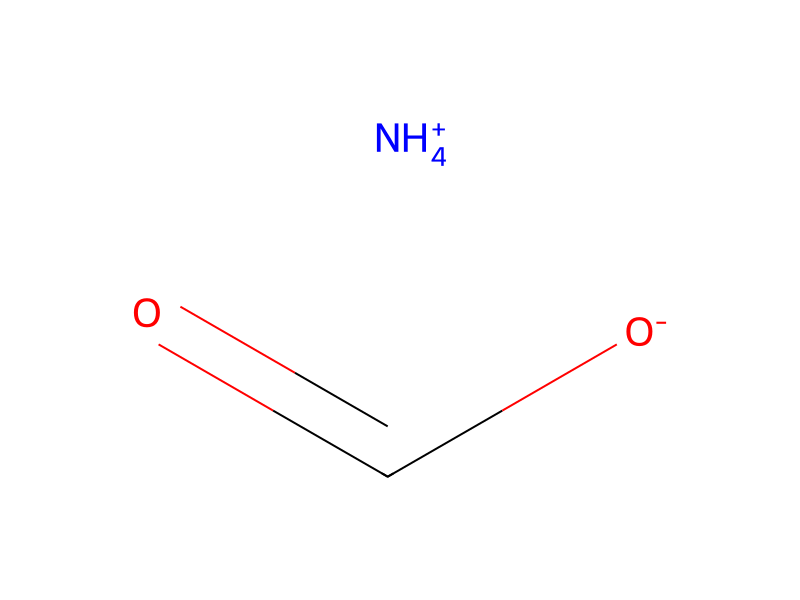
Product 1

Reagents, catalysts & solvents 2


Procedure
EpB (30.0 mL), ammonium formate (24 g), tris(dibenzylideneacetone)dipalladium(0) (0.15 g) and tributylphosphine (0.50 mL) were added to 50 mL of THF solvent. This mixture was stirred at reflux for 1 hour and then filtered through silica gel to remove the palladium catalyst. The product was analyzed by GC and found to be nearly identical to the product obtained in Comparative Example 1 using trioctylphosphine, which consisted of 3-buten-1-ol/2-buten-1-ol in a mole ratio of >98:2), a small amount of crotonaldehyde, and a large amount of high boilers. This product was distilled through a Vigreux column to afford a product cut with 97.2% selectivity. The isolated yield was 62%. Formation of a white solid during this reaction resulted in a pressure buildup and a vapor release.
Workup
- temperatureat reflux for 1 hour
- filtrationfiltered through silica gel
- customto remove the palladium catalyst
Sources & evidence
- ORD record
- ord-2893ecb446784a5d9be75473f1b38684
- Source dataset
- uspto-grants-2000_08
- Patent number
- US06103943
Reaction notes
Loading…