Hydrochloric Acid → HCID 18187284, compound
Reaction equation

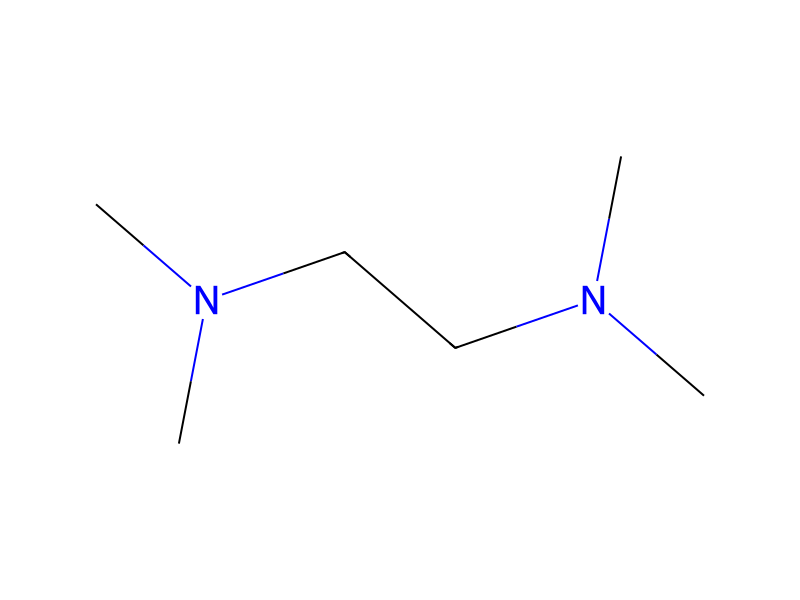
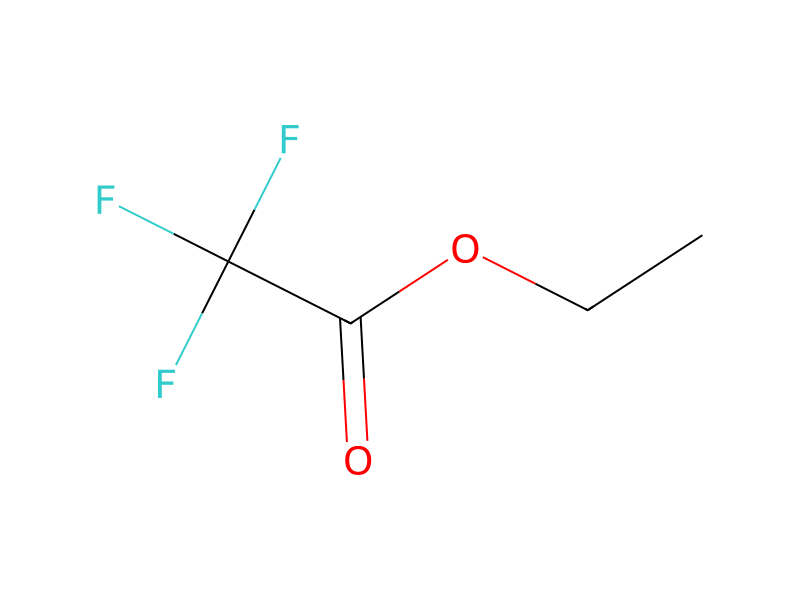
[Cl:1][C:2]1[CH:3]=[CH:4][C:5]([NH:8]C(=O)C(C)(C)C)=[N:6][CH:7]=1.CN(CCN(C)C)C.C([Li])CCC.[F:28][C:29]([F:36])([F:35])[C:30](OCC)=[O:31].Cl>COC(C)(C)C.C(OCC)(=O)C.O>[NH2:8][C:5]1[C:4]([C:30](=[O:31])[C:29]([F:36])([F:35])[F:28])=[CH:3][C:2]([Cl:1])=[CH:7][N:6]=1Participants
Reactant 5



Product 1

Reagents, catalysts & solvents 3



Conditions
- Temperature
- -20 °C
Procedure
N-(5-chloro-2-pyridinyl)-2,2-dimethylpropanamide (20.0 g, 94.0 mmol) and TMEDA (12.0 g, 103 mmol) were dissolved in t-butyl methyl ether (150 mL), and while stirring the reaction solution at −20° C., n-butyl lithium (2.66 M hexane solution, 88.3 mL) was added dropwise thereto. After stirring the reaction solution at 0° C. for 2 hours, the solution was cooled to −78° C. and ethyl trifluoroacetate (16.8 mL, 140 mmol) was added thereto. The temperature of the reaction solution was raised to 0° C. and the solution was stirred for 3 hours. Then, water and 2 N hydrochloric acid were sequentially added, and the pH of the reaction solution was adjusted to about 9. After the solution was diluted with ethyl acetate, the organic layer was separated and the solvent was evaporated under reduced pressure. To the residue, acetic acid (60 mL), concentrated hydrochloric acid (20 mL) and water (40 mL) were added, and the solution was stirred for 10 hours under heating at 100° C. After the solution was cooled to room temperature, the resulting solid was collected by filtration and washed with ethyl acetate. The obtained solid and sodium acetate (7.64 g) were mixed in water (15 mL) and t-butyl methyl ether (70 mL), and the solution was stirred at room temperature for 30 minutes. The solution was diluted with ethyl acetate, which was then washed with water and saturated brine, and dried over magnesium sulfate. After the drying agent was removed by filtration, the solvent was evaporated under reduced pressure, whereby the objective compound (10.1 g, 47.8%) was obtained as a yellow solid.
Workup
- stirringAfter stirring the reaction solution at 0° C. for 2 hours
- temperaturethe solution was cooled to −78° C.
- temperatureThe temperature of the reaction solution was raised to 0° C.
- stirringthe solution was stirred for 3 hours
- customthe organic layer was separated
- customthe solvent was evaporated under reduced pressure
- additionTo the residue, acetic acid (60 mL), concentrated hydrochloric acid (20 mL) and water (40 mL) were added
- stirringthe solution was stirred for 10 hours
- temperatureunder heating at 100° C
- temperatureAfter the solution was cooled to room temperature
- filtrationthe resulting solid was collected by filtration
- washwashed with ethyl acetate
- additionThe obtained solid and sodium acetate (7.64 g) were mixed in water (15 mL)
- stirringt-butyl methyl ether (70 mL), and the solution was stirred at room temperature for 30 minutes
- additionThe solution was diluted with ethyl acetate, which
- washwas then washed with water and saturated brine
- dry with materialdried over magnesium sulfate
- customAfter the drying agent was removed by filtration
- customthe solvent was evaporated under reduced pressure, whereby the objective compound (10.1 g, 47.8%)
- customwas obtained as a yellow solid
Sources & evidence
- ORD record
- ord-2f9cd124942a4de99514e094e80ef7c1
- Source dataset
- uspto-grants-2012_11
- Patent number
- US08314094B2
Reaction notes
Loading…