8-Hydroxyquinoline → HCID 21783328, compound
Reaction equation

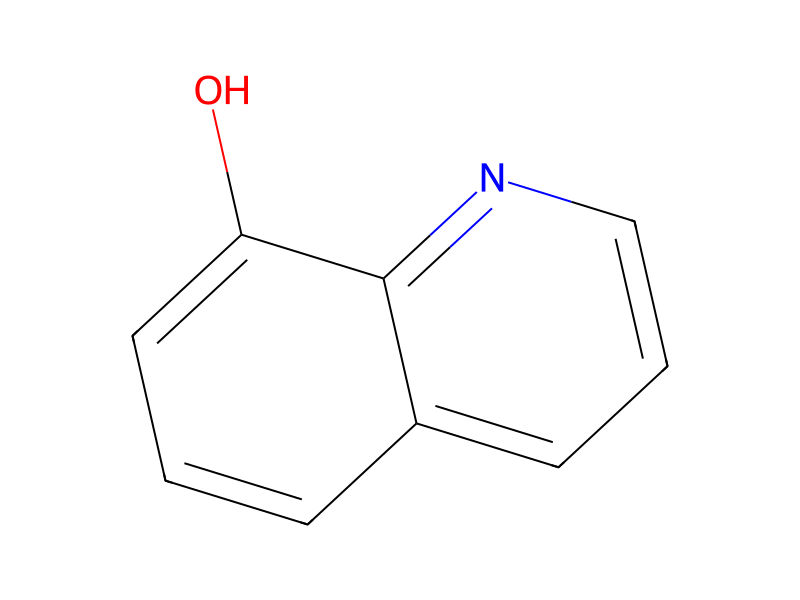
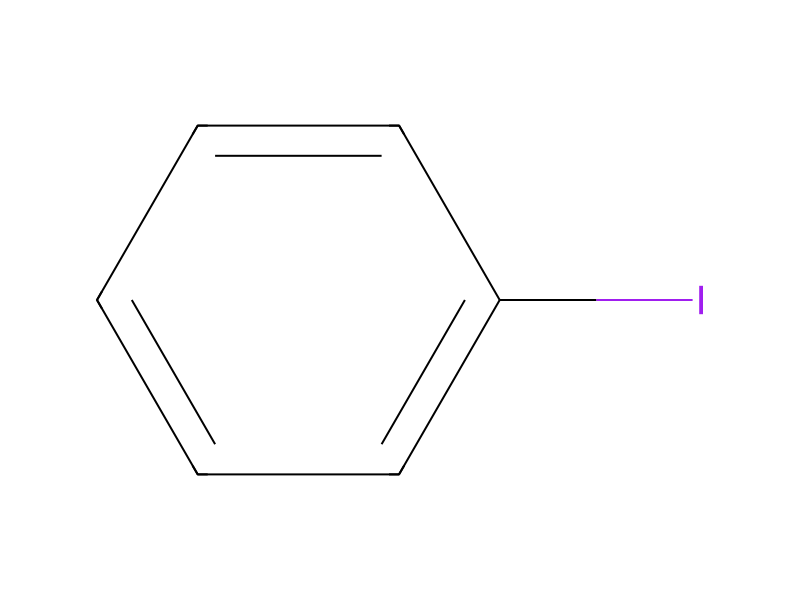
[N+:1]([C:4]1[CH:8]=[CH:7][NH:6][CH:5]=1)([O-:3])=[O:2].I[C:10]1[CH:15]=[CH:14][CH:13]=[CH:12][CH:11]=1.OC1C=CC=C2C=1N=CC=C2.C([O-])([O-])=O.[K+].[K+]>CS(C)=O.[Cu]I.CCOC(C)=O.O>[N+:1]([C:4]1[CH:8]=[CH:7][N:6]([C:10]2[CH:15]=[CH:14][CH:13]=[CH:12][CH:11]=2)[CH:5]=1)([O-:3])=[O:2]Participants
9
Reactant 4


Product 1

Reagents, catalysts & solvents 4




Procedure
A mixture of 3-nitropyrrole (270 mg, 2.41 mmol), iodobenzene (0.267 mL, 2.39 mmol), 8-hydroxyquinoline (60 mg, 0.41 mmol) and K2CO3 (600 mg, 4.34 mmol) in DMSO (3 mL) was degassed with argon before being charged with CuI (45 mg, 0.23 mmol). The mixture in a sealed tube was heated at 130 C for 20 h. Water and EtOAc were added. The organic phase was separated, washed with 1N HCl, then with 5% NaHCO3, dried over Na2SO4, concentrated in vacuo to give 3-nitro-1-phenyl-1H-pyrrole (410 mg).
Workup
- customwas degassed with argon
- temperatureThe mixture in a sealed tube was heated at 130 C for 20 h
- customThe organic phase was separated
- washwashed with 1N HCl
- dry with materialwith 5% NaHCO3, dried over Na2SO4
- concentrationconcentrated in vacuo
Sources & evidence
- ORD record
- ord-7dc205bc43f347179c6cf29bcf7dd9f7
- Source dataset
- uspto-grants-2012_11
- Patent number
- US08318755B2
Reaction notes
Loading…