Potassium Carbonate → tert-Butyl 1,2,3,4-tetrahydroquinolin-4-ylcarbamate
Reaction equation

[NH:1]1[C:10]2[C:5](=[CH:6][CH:7]=[CH:8][CH:9]=2)[CH:4](N)[CH2:3]C1.CC(OC(OC(OC(C)(C)C)=O)=O)(C)C.[C:27]([O:31][C:32](=[O:44])[NH:33][CH:34]1[C:43]2[C:38](=[CH:39][CH:40]=[CH:41][CH:42]=2)[NH:37][CH2:36][CH2:35]1)([CH3:30])([CH3:29])[CH3:28].BrC1C=C2C(=CC=1)NC=C2.C(=O)([O-])[O-].[K+].[K+]>C1C=CC(/C=C/C(/C=C/C2C=CC=CC=2)=O)=CC=1.C1C=CC(/C=C/C(/C=C/C2C=CC=CC=2)=O)=CC=1.C1C=CC(/C=C/C(/C=C/C2C=CC=CC=2)=O)=CC=1.[Pd].[Pd].CC(C1C=C(C(C)C)C(C2C=CC=CC=2P(C2CCCCC2)C2CCCCC2)=C(C(C)C)C=1)C>[C:27]([O:31][C:32](=[O:44])[NH:33][CH:34]1[C:43]2[C:38](=[CH:39][CH:40]=[CH:41][CH:42]=2)[NH:37][CH2:36][CH2:35]1)([CH3:30])([CH3:28])[CH3:29].[C:27]([O:31][C:32](=[O:44])[NH:33][CH:34]1[C:43]2[C:38](=[CH:39][CH:40]=[CH:41][CH:42]=2)[N:37]([C:7]2[CH:6]=[C:5]3[C:10](=[CH:9][CH:8]=2)[NH:1][CH:3]=[CH:4]3)[CH2:36][CH2:35]1)([CH3:30])([CH3:28])[CH3:29]Participants
Reactant 5




Product 2

Reagents, catalysts & solvents 2


Conditions
- Temperature
- 100 °C
Procedure
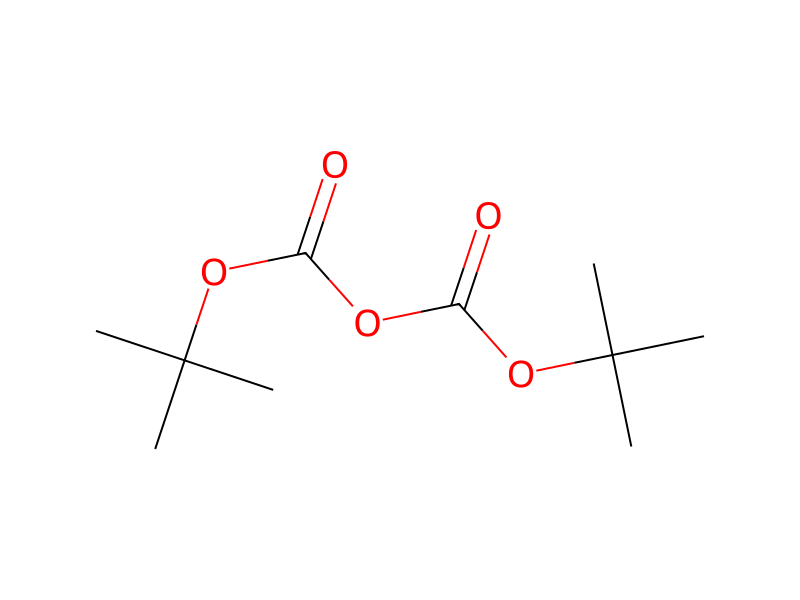
(1,2,3,4-Tetrahydro-quinolin-4-yl)-carbamic acid tert-butyl ester was prepared by treatment of commercially available 1,2,3,4-tetrahydro-quinolin-4-ylamine (JW Pharmaceutical #7578-79-2) with BOC anhydride. The (1,2,3,4-tetrahydro-quinolin-4-yl)-carbamic acid tert-butyl ester (1.28 g, 5.15 mmol), together with 5-bromoindole (0.67 g, 3.44 mmol), Pd2dba3 (0.063 g, 0.069 mmol), XPHOS (0.082 g, 0.17 mmol), potassium carbonate (1.2 g, 8.6 mmol) and tert-butabol (10 mL) were combined in a 50 mL tube. The tube was sealed and heated to 100° C. with stirring for 18 hours. The tube was then cooled to room temperature and the contents were partitioned between EtOAc and saturated aqueous sodium bicarbonate. The organic phase was separated and concentrated under reduced pressure, and the residue was purified by flash chromatography (0% to 25% EtOac/hexanes) to give 1.3 g of [1-(1H-indol-5-yl)-1,2,3,4-tetrahydro-quinolin-4-yl]-carbamic acid tert-butyl ester.
Workup
- customThe tube was sealed
- temperatureThe tube was then cooled to room temperature
- customthe contents were partitioned between EtOAc and saturated aqueous sodium bicarbonate
- customThe organic phase was separated
- concentrationconcentrated under reduced pressure
- customthe residue was purified by flash chromatography (0% to 25% EtOac/hexanes)
Sources & evidence
- ORD record
- ord-641c012dab5e48bb89c4890fb30bbdc1
- Source dataset
- uspto-grants-2012_11
- Patent number
- US08318770B2
Reaction notes
Loading…