Acrylic Acid → HCID 23510339, compound
Reaction equation

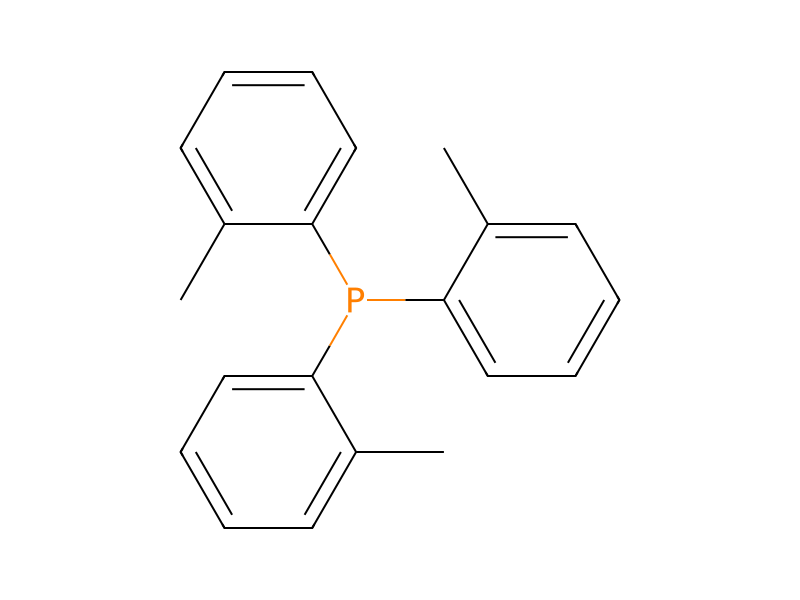
Br[C:2]1[CH:11]=[CH:10][C:9]([Cl:12])=[CH:8][C:3]=1[C:4]([O:6][CH3:7])=[O:5].C1(C)C=CC=CC=1P(C1C=CC=CC=1C)C1C=CC=CC=1C.C(N(CCCC)CCCC)CCC.[C:48]([OH:52])(=[O:51])[CH:49]=[CH2:50]>C1(C)C=CC=CC=1.C([O-])(=O)C.[Pd+2].C([O-])(=O)C>[Cl:12][C:9]1[CH:10]=[CH:11][C:2]([C:49](=[CH2:50])[C:48]([OH:52])=[O:51])=[C:3]([C:4]([O:6][CH3:7])=[O:5])[CH:8]=1Participants






Conditions
- Temperature
- 110 °C
Procedure
To a solution of methyl 2-bromo-5-chlorobenzoate (6.30 g), tri-o-tolylphosphine (P(o-tol)3) (770 mg), tri-n-butylamine (9.38 g) and acrylic acid (3.64 g) in toluene (20 mL) was added palladium acetate (284 mg) under nitrogen atmosphere, and the mixture was heated at 110° C. for 3 hours. The mixture was washed with 1N HCl, dried, filtered, and concentrated. The residue was purified by silica gel column chromatography, and the fractions containing the desired compound were combined, dissolved in ethyl acetate, and extracted with a saturated aqueous sodium hydrogen carbonate solution. The aqueous layer was acidified with hydrochloric acid, extracted with ethyl acetate, and the organic layer was dried, filtered, and concentrated to give 2-(4-chloro-2-methoxycarbonylphenyl)acrylic acid (4.0 g, 66%).
Workup
- washThe mixture was washed with 1N HCl
- customdried
- filtrationfiltered
- concentrationconcentrated
- customThe residue was purified by silica gel column chromatography
- additionthe fractions containing the desired compound
- dissolutiondissolved in ethyl acetate
- extractionextracted with a saturated aqueous sodium hydrogen carbonate solution
- extractionextracted with ethyl acetate
- customthe organic layer was dried
- filtrationfiltered
- concentrationconcentrated
Sources & evidence
- ORD record
- ord-0f0908c996694c4eb6cc065150653cad
- Source dataset
- uspto-grants-2004_07
- Patent number
- US06759429B2
Reaction notes
Loading…