Cyclododecane → Cyclododecanone
Reaction equation

[CH2:1]1[CH2:12][CH2:11][CH2:10][CH2:9][CH2:8][CH2:7][CH2:6][CH2:5][CH2:4][CH2:3][CH2:2]1.C([O:17]N=O)(C)(C)C.ON1C(=O)C2=CC=CC=C2C1=O.C1(=NO)CCCCCCCCCCC1.N(C1CCCCCCCCCCC1)=O.[N+](C1CCCCCCCCCCC1)([O-])=O>C(O)(=O)C>[C:1]1(=[O:17])[CH2:12][CH2:11][CH2:10][CH2:9][CH2:8][CH2:7][CH2:6][CH2:5][CH2:4][CH2:3][CH2:2]1Participants
8
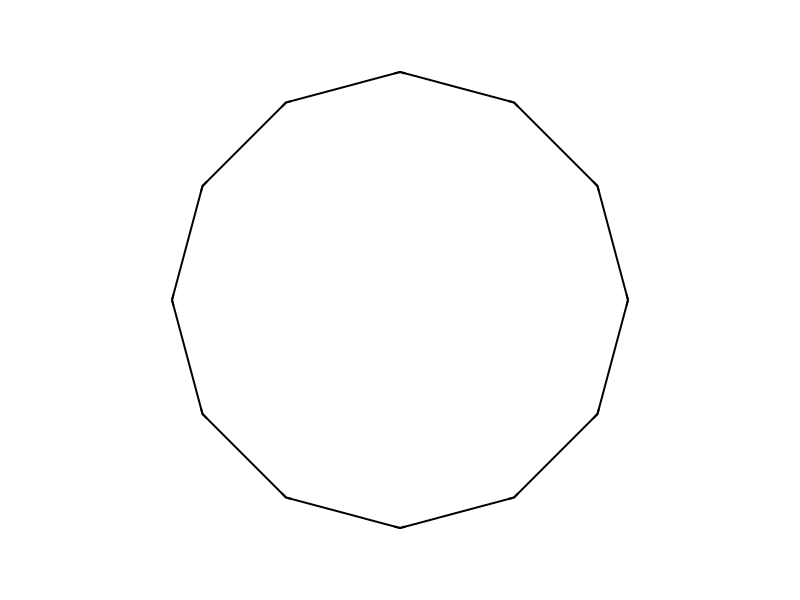



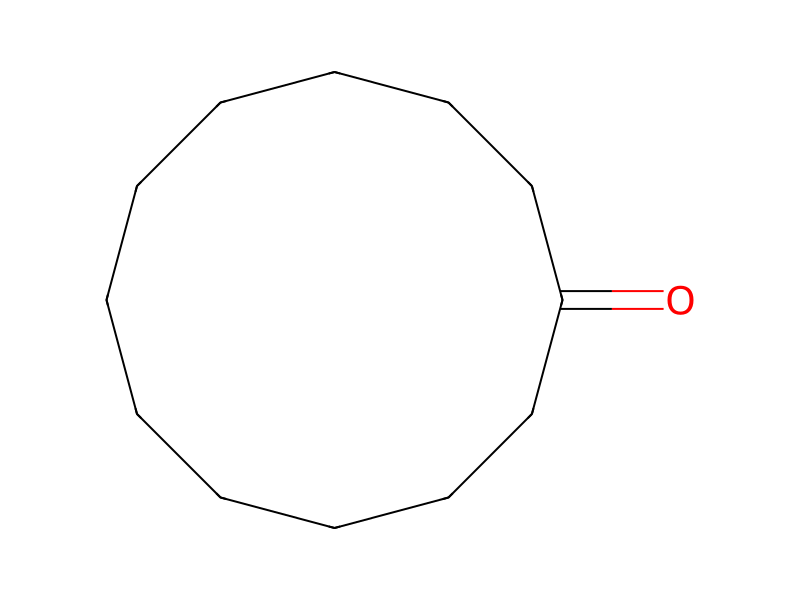

Conditions
- Temperature
- 80 °C
Procedure
Cyclododecane (1.66 g; 9.88 mmol), t-butylnitrite (2 mmol), N-hydroxyphthalimide (0.4 mmol), and acetic acid (2 ml) were placed in a flask and were stirred at 80° C. in an atmosphere of argon gas for 1 hour. The resulting reaction mixture was analyzed to find that cyclododecanone oxime, nitrosocyclododecane dimer, nitrocyclododecane, and cyclododecanone were formed in yields of 10%, 38%, 6%, and 3%, respectively.
Workup
- customThe resulting reaction mixture
Sources & evidence
- ORD record
- ord-2510f732f60f4097a162438e079ab206
- Source dataset
- uspto-grants-2004_07
- Patent number
- US06768023B2
Reaction notes
Loading…