Ethyl Acetoacetate → 2-Ethoxycarbonyl-3-phenylcyclohex-5-enone
Reaction equation

[C:1]([O:7][CH2:8][CH3:9])(=[O:6])[CH2:2][C:3]([CH3:5])=[O:4].[Na].[CH:11](=O)/[CH:12]=[CH:13]/[C:14]1[CH:19]=[CH:18][CH:17]=[CH:16][CH:15]=1>C(O)C.C(OCC)(=O)CC(C)=O>[CH2:8]([O:7][C:1]([CH:2]1[CH:13]([C:14]2[CH:19]=[CH:18][CH:17]=[CH:16][CH:15]=2)[CH2:12][CH:11]=[CH:5][C:3]1=[O:4])=[O:6])[CH3:9]Participants
6
Reactant 3

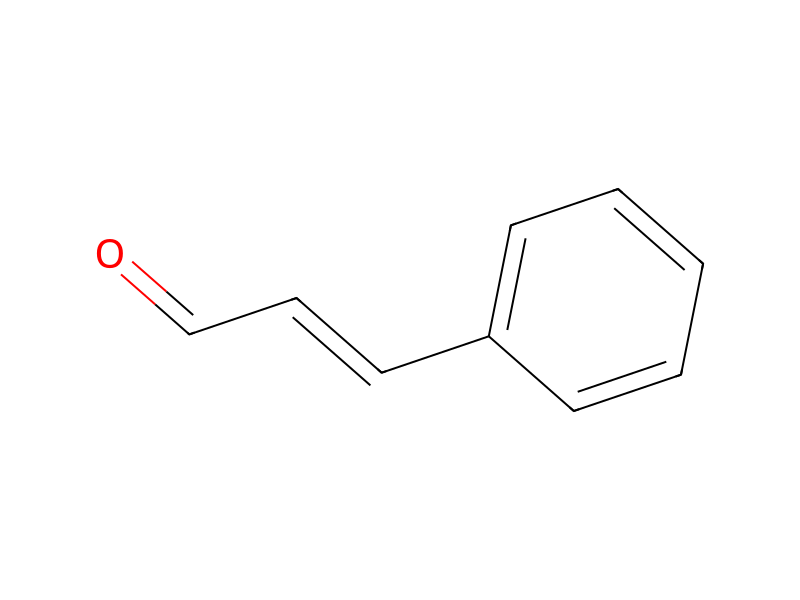

Product 1

Reagents, catalysts & solvents 2

Procedure
The reaction was repeated replacing the sodium metal with ethyl acetoacetate, sodium salt. Thus, 12.6 grams (0.097 mole) of ethyl acetoacetate, 0.5 gram (0.003 mole) of ethyl acetoacetate, sodium salt and 13.2 grams (0.100 mole) of trans-cinnamaldehyde in 50 mL of ethanol were reacted in a manner analogous to that of Example 6, Step A. A 100% yield (24.4 grams) of 2-ethoxycarbonyl-3-phenylcyclohex-5-enone was assumed.
Sources & evidence
- ORD record
- ord-545240a51ca748aba1adbeb7c5b90282
- Source dataset
- uspto-grants-1992_09
- Patent number
- US05149357
Reaction notes
Loading…