Triethylamine → N-(4-iodophenyl)-2-nitroaniline
Reaction equation

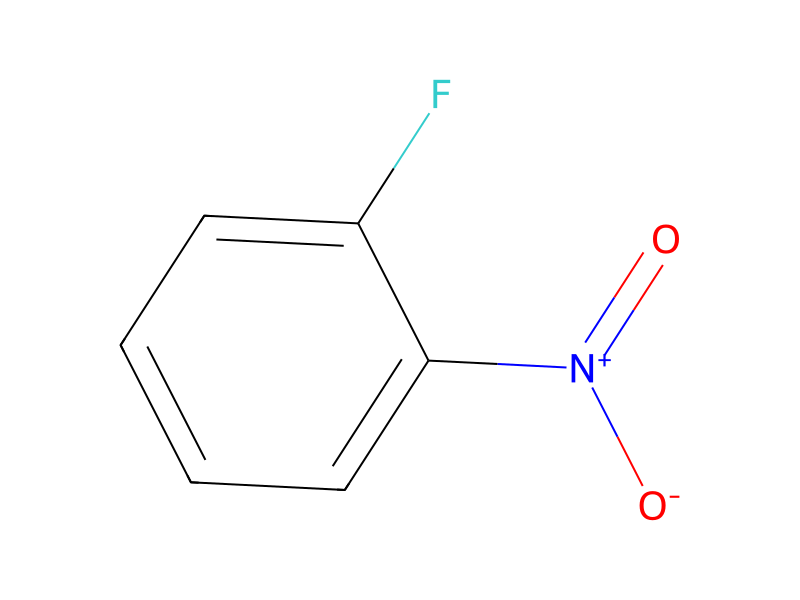
F[C:2]1[CH:7]=[CH:6][CH:5]=[CH:4][C:3]=1[N+:8]([O-:10])=[O:9].[I:11][C:12]1[CH:18]=[CH:17][C:15]([NH2:16])=[CH:14][CH:13]=1.C(N(CC)CC)C>C(OCC)(=O)C>[I:11][C:12]1[CH:18]=[CH:17][C:15]([NH:16][C:2]2[CH:7]=[CH:6][CH:5]=[CH:4][C:3]=2[N+:8]([O-:10])=[O:9])=[CH:14][CH:13]=1Participants
5
Reactant 3


Product 1

Reagents, catalysts & solvents 1

Procedure
According to the method of V. P. Chernetskii, A. I. Kiprianov, Zh. Obsch. Khim, 1956, 26, 3465, a mixture of 2-fluoronitrobenzene (14.0 g, 100 mmol), p-iodo aniline (10.95 g, 50 mmol) and triethylamine (13.9 ml, 100 mmol) was heated under reflux for 42 hours. The mixture was cooled, diluted with ethyl acetate (300 ml) washed consecutively with water (100 ml), 2N sodium hydroxide (100 ml) and brine (100 ml). The organic layer was dried (MgSO4), concentrated under reduced pressure and the residue was recrystallised from ethyl acetate to give N-(4-iodophenyl)-2-nitroaniline, 10.03 g, as bright orange needles, m.p. 171°-2° C.
Workup
- temperaturewas heated
- temperatureunder reflux for 42 hours
- temperatureThe mixture was cooled
- washwashed consecutively with water (100 ml), 2N sodium hydroxide (100 ml) and brine (100 ml)
- dry with materialThe organic layer was dried (MgSO4)
- concentrationconcentrated under reduced pressure
- customthe residue was recrystallised from ethyl acetate
Sources & evidence
- ORD record
- ord-67ed1a8c194e4a9e80e251c7057524d6
- Source dataset
- uspto-grants-1992_09
- Patent number
- US05149814
Reaction notes
Loading…