Hydrochloric Acid → 2-Chloro-3-methyl-1-oxo-1lambda~5~-pyridine
Reaction equation

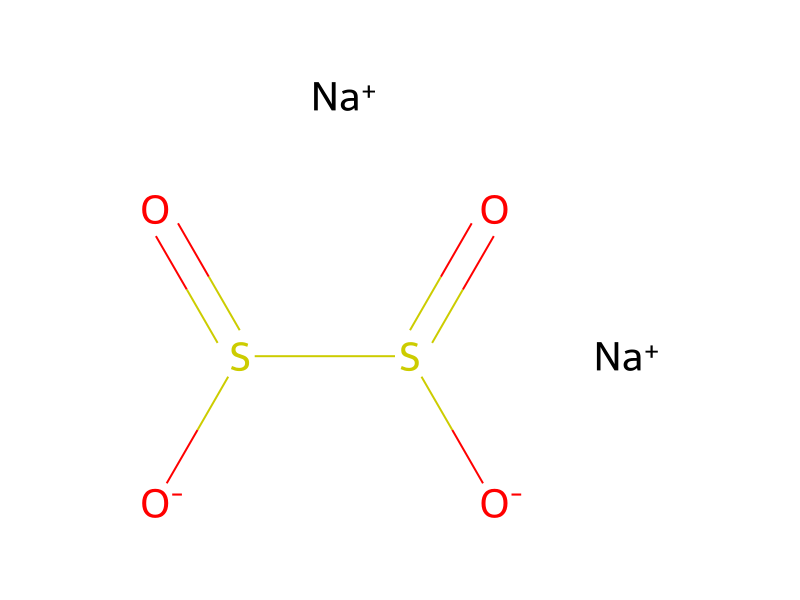
[Cl:1][C:2]1[C:7]([CH3:8])=[CH:6][CH:5]=[CH:4][N:3]=1.OO.NC(N)=[O:13].FC(F)(F)C(O)=O.S(S([O-])=O)([O-])=O.[Na+].[Na+].Cl>ClCCl>[Cl:1][C:2]1[C:7]([CH3:8])=[CH:6][CH:5]=[CH:4][N+:3]=1[O-:13]Participants





Procedure
To a mixture of 2-chloro-3-methylpyridine (12.8 g, 100 mmol), urea hydrogen peroxide (19.8 g, 210 mmol) and dichloromethane (130 mL) was added dropwise anhydrous trifluoroacetic acid (28.2 mL, 200 mmol) at 0° C. The reaction was stirred for a further 1.5 hours, warmed to room temperature and then treated with 9% w/w aqueous sodium hydrosulfite (200 mL). The mixture was stirred for a further 15 minutes then 2N hydrochloric acid (50 ml) was added and the mixture was extracted with dichloromethane (2×120 mL). The combined extracts were washed with saturated aqueous sodium hydrogen carbonate (2×100 mL), dried over anhydrous sodium sulfate, filtered and concentrated under reduced pressure to yield 2-chloro-3-methylpyridine 1-oxide as a yellow solid (11.45 g; 89% purity by UV).
Workup
- stirringThe mixture was stirred for a further 15 minutes
- extractionthe mixture was extracted with dichloromethane (2×120 mL)
- washThe combined extracts were washed with saturated aqueous sodium hydrogen carbonate (2×100 mL)
- dry with materialdried over anhydrous sodium sulfate
- filtrationfiltered
- concentrationconcentrated under reduced pressure
Sources & evidence
- ORD record
- ord-63f5e9bba6c646e5aecab37b93ce9212
- Source dataset
- uspto-grants-2013_08
- Patent number
- US08501770B2
Reaction notes
Loading…