Hydrochloric Acid → 3-(4-Bromophenyl)propionic acid
Reaction equation

CC1(C)[O:7][C:6](=[O:8])[CH2:5][C:4](=O)O1.[Br:11][C:12]1[CH:19]=[CH:18][C:15](C=O)=[CH:14][CH:13]=1.Cl>C(O)(=O)C.O>[Br:11][C:12]1[CH:19]=[CH:18][C:15]([CH2:4][CH2:5][C:6]([OH:7])=[O:8])=[CH:14][CH:13]=1Participants
6
Reactant 3


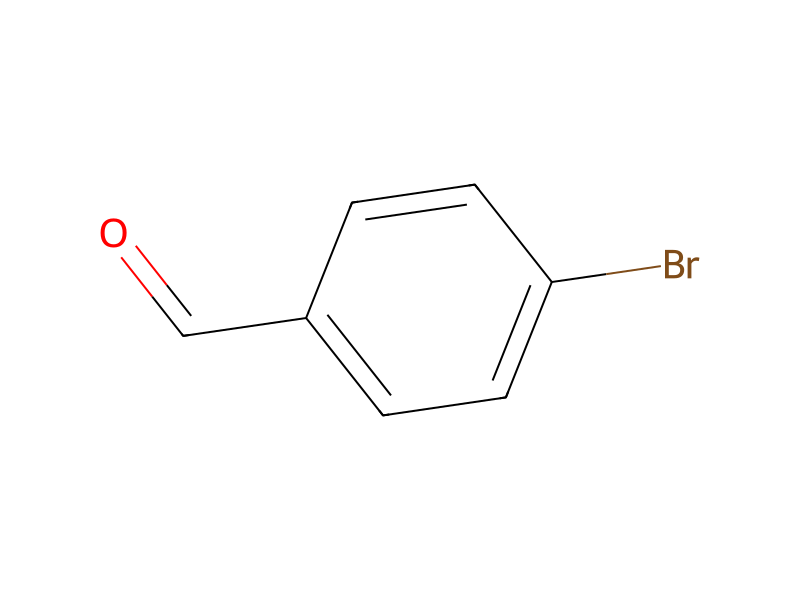
Product 1

Reagents, catalysts & solvents 2


Procedure
2,2-dimethyl-[1,3]dioxane-4,6-dione (120 g, 0.84 mol) and 4-bromo-benzaldehyde (153.4 g, 0.84 mol) were dissolved in 300 mL of TEA and acetic acid. The reaction mixture was refluxed for overnight. At which point, the reaction mixture was diluted with water (4 L) and acidified with 6M HCl (1 L) until pH=2. The precipitated solid was filtered off and washed with diluted HCl, then dissolved in 5% NaHCO3 solution. The aqueous salt solution was washed with ether (4×500 mL), filtered and acidified with diluted HCl. Then filtered and dried under vacuum to provide 100 g (67%) of the desired product 3-(4-bromophenyl)propanoic acid (1A): 1H NMR (DMSO-d6, 400 MHz), 62.5 (m, 2H), 2.8 (m, 2H), 7.2 (m, 2H), 7.5 (m, 2H), 12.2 (s, 1H).
Workup
- temperatureThe reaction mixture was refluxed for overnight
- filtrationThe precipitated solid was filtered off
- washwashed with diluted HCl
- dissolutiondissolved in 5% NaHCO3 solution
- washThe aqueous salt solution was washed with ether (4×500 mL)
- filtrationfiltered
- filtrationThen filtered
- customdried under vacuum
Sources & evidence
- ORD record
- ord-3a9e44271f67462db54dd77b0436143a
- Source dataset
- uspto-grants-2013_08
- Patent number
- US08518970B2
Reaction notes
Loading…