2,2'-Bipyridine → 1-Cyclopropyl-4-iodo-1H-pyrazole
Reaction equation

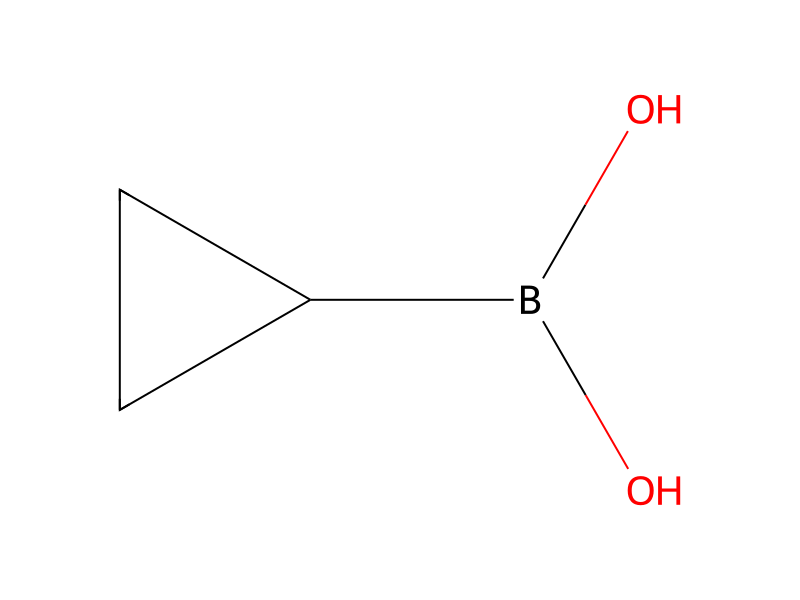
[I:1][C:2]1[CH:3]=[N:4][NH:5][CH:6]=1.[CH:7]1(B(O)O)[CH2:9][CH2:8]1.C(=O)([O-])[O-].[Na+].[Na+].N1C=CC=CC=1C1C=CC=CN=1>ClCCCl.C([O-])(=O)C.[Cu+2].C([O-])(=O)C>[CH:7]1([N:4]2[CH:3]=[C:2]([I:1])[CH:6]=[N:5]2)[CH2:9][CH2:8]1Participants






Conditions
- Temperature
- 50 °C
Procedure
In a flask were combined 4-iodo-1H-pyrazole (1.00 g, 5.16 mmol), cyclopropylboronic acid (886 mg, 10.3 mmol) and sodium carbonate (1.09 g, 10.3 mmol) and the mixture suspended in 1,2-dichloroethane (20 mL). A suspension of copper (II) acetate (936 mg, 5.16 mmol) and 2,2-bipyridine (805 mg, 5.16 mmol) in 1,2-dichloroethane (40 mL) was warmed to 50° C. and added and the resulting mixture heated at 70° C. overnight. The mixture was then cooled and filtered and the solids rinsed with EtOAc. The combined filtrates were concentrated and the residue taken up in EtOAc and 50% saturated aqueous NH4Cl. The organic layer was washed with sat NH4Cl, sat NaHCO3 and sat NaCl and dried over MgSO4. The solution was concentrated and the residue purified by SiO2 chromatography (5-35% EtOAc/heptane) to afford 517 mg (43%) 1-cyclopropyl-4-iodo-1H-pyrazole as a colorless oil.
Workup
- customIn a flask were combined
- additionadded
- temperaturethe resulting mixture heated at 70° C. overnight
- temperatureThe mixture was then cooled
- filtrationfiltered
- washthe solids rinsed with EtOAc
- concentrationThe combined filtrates were concentrated
- washThe organic layer was washed with sat NH4Cl
- dry with materialdried over MgSO4
- concentrationThe solution was concentrated
- customthe residue purified by SiO2 chromatography (5-35% EtOAc/heptane)
Sources & evidence
- ORD record
- ord-c9cf7d974b154634a871136f58650706
- Source dataset
- uspto-grants-2013_08
- Patent number
- US08518945B2
Reaction notes
Loading…