Hydrochloric Acid → 2-hydroxy-1H-quinolin-4-one
Reaction equation

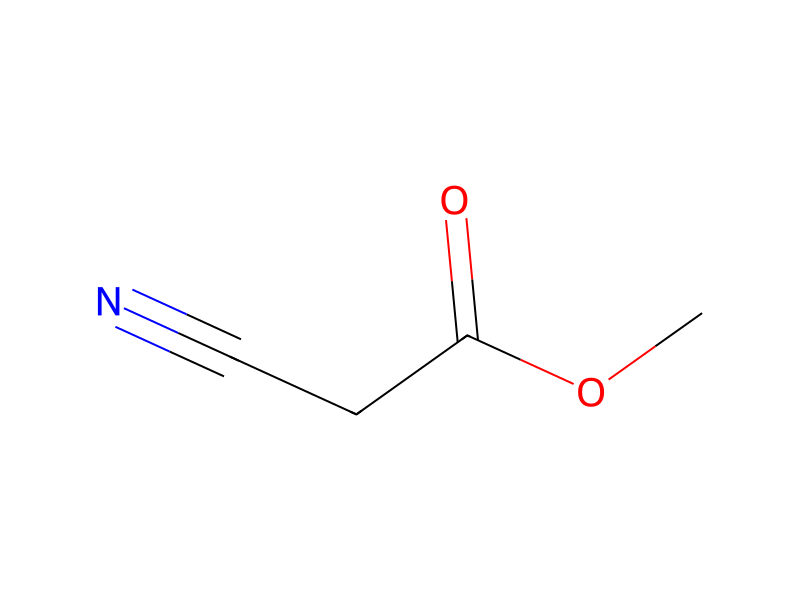
[C:1]12[C:7](=[CH:8][CH:9]=[CH:10][CH:11]=1)[NH:6][C:5](=[O:12])[O:4][C:2]2=O.[C:13](CC(OC)=O)#N.[OH-].[Na+].Cl>O.CN(C=O)C.C(N(CC)CC)C>[OH:12][C:5]1[CH:13]=[C:2]([OH:4])[C:1]2[C:7](=[CH:8][CH:9]=[CH:10][CH:11]=2)[N:6]=1Participants







Procedure
Into a 150 ml three neck flask, equipped with an agitator, a reflux condenser sealed on its upper end with a gas bubbler, a thermometer and an electric heating mantle were charged 16.3 g pure isatoic anhydride (M.W. 163) 10.1 g triethylamine (M.W. 101), 9.9 g methyl cyanoacetate (M.W. 99) and 2 ml DMF. The reaction mixture, under agitation, was kept at a temperature within the range of 25° to 30° C. for approximately 1 hour. During this period a constant evolution of gas was observed. The temperature of the reaction mixture was then elevated to and maintained at 78° to 80° C. for approximately 2 hours. At the end of this heating period the evolution of gas practically stopped and the reaction mixture turned into a slightly yellow, good stirrable oil. A minimum of water (approximately 40 ml) and the still hot oil were transferred to a 300 ml stainless steel autoclave, equipped with an anchor agitator, a pressure gauge, a thermocouple and a vent-valve. A charge of 14.7 g sodium hydroxide (MW 40) pellets was added to the reaction mixture and the autoclave was closed. The contents of the autoclave, under agitation, were heated to and maintained at a temperature in the range of 150° to 155° C. for 3 hours. The pressure in the autoclave reached 275 to 280 psig during the heating; after cooling to 50° to 60° C. hot water was added to the autoclave and approximately 600 ml of a brownish colored solution was removed therefrom and treated with 1 g activated charcoal at 60° C. A slightly yellowish colored solution which resulted was then acidified with concentrated hydrochloric acid to a pH of approximately 2. White, slightly creamy colored precipitate which formed was recovered by filtration; the precipitate was then reslurried in 200 ml water, refiltered and dried at 110° C. The yield was 14.17 g (87.9 percent of theory based upon the isatoic anhydride charged) 2,4-dihydroxyquinoline, melting point 350°-355° C. Examination of the product by infrared spectroscopy and nuclear magnetic resonance indicated that it was of high purity.
Workup
- customsealed on its upper end with a gas bubbler
- waitDuring this period a constant evolution of gas was observed
- temperaturemaintained at 78° to 80° C. for approximately 2 hours
- customequipped with an anchor agitator
- additionwas added to the reaction mixture
- customthe autoclave was closed
- temperatureThe contents of the autoclave, under agitation, were heated to and
- temperaturemaintained at a temperature in the range of 150° to 155° C. for 3 hours
- customwas removed
- additiontreated with 1 g
- customat 60° C
- customA slightly yellowish colored solution which resulted
- customWhite, slightly creamy colored precipitate which formed
- filtrationwas recovered by filtration
- customdried at 110° C
- additioncharged) 2,4-dihydroxyquinoline, melting point 350°-355° C
Sources & evidence
- ORD record
- ord-1ca23ad38c6c4b3b9c35e863fe34f56d
- Source dataset
- uspto-grants-1982_12
- Patent number
- US04362876
Reaction notes
Loading…