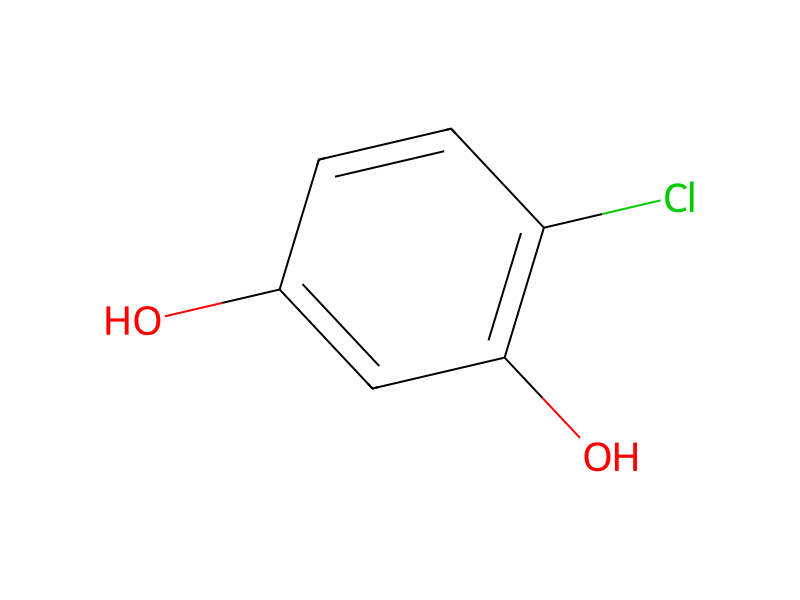
4-Chlororesorcinol → HCID 86743099, compound
Reaction equation

[OH:1][CH2:2][C:3]1[C:8]([OH:9])=[C:7]([CH2:10][OH:11])[CH:6]=[C:5]([CH3:12])[CH:4]=1.[Cl:13][C:14]1[CH:20]=[CH:19][C:17]([OH:18])=[CH:16][C:15]=1[OH:21].[CH3:22][O:23][C:24]1[CH:29]=[CH:28][C:27]([OH:30])=[CH:26][CH:25]=1.O.C1(C)C=CC(S(O)(=O)=O)=CC=1>C(OCCO)C.O>[OH:11][CH2:10][C:7]1[C:8]([OH:9])=[C:3]([CH2:2][OH:1])[CH:4]=[C:5]([CH3:12])[CH:6]=1.[CH3:22][O:23][C:24]1[CH:29]=[CH:28][C:27]([OH:30])=[CH:26][CH:25]=1.[Cl:13][C:14]1[CH:20]=[CH:19][C:17]([OH:18])=[CH:16][C:15]=1[OH:21]Participants
7




Procedure
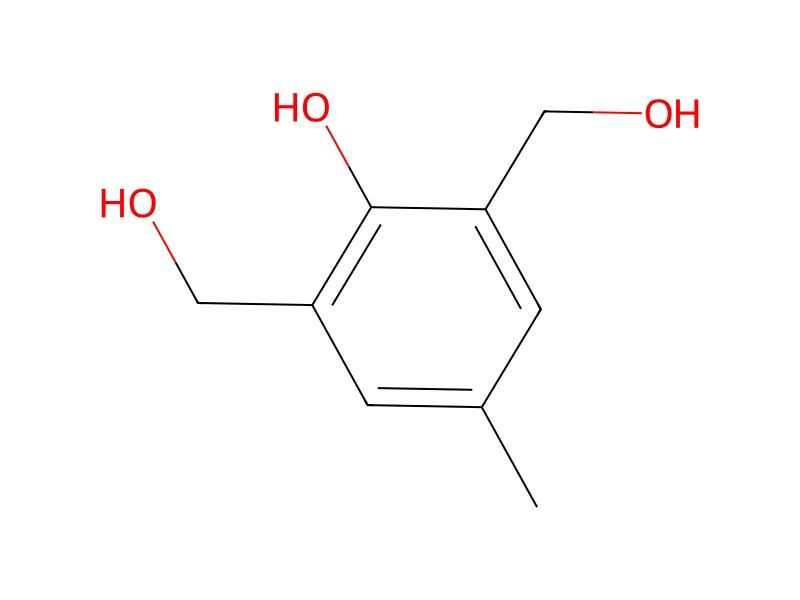
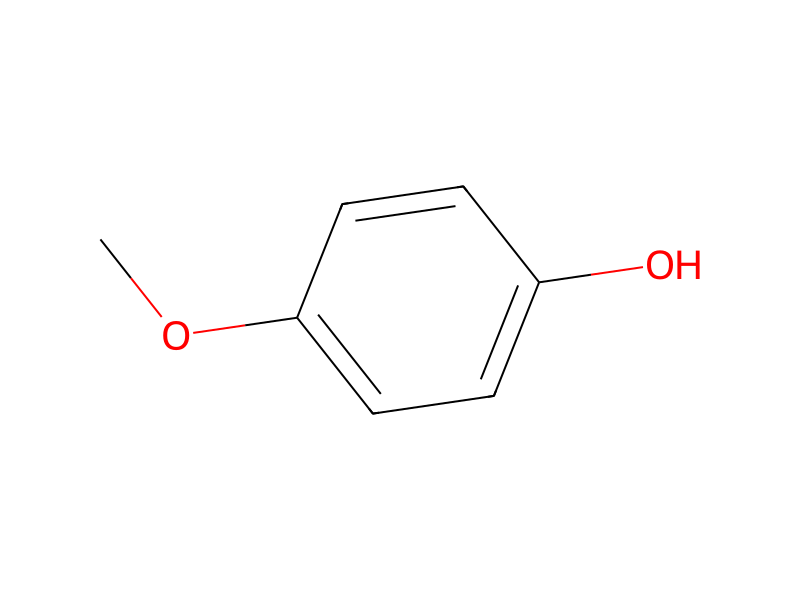
2,6-Bis(hydroxymethyl)-p-cresol (30 g, 0.178 moles) (BHMPC), 4-chlororesorcinol (see Table 3), 4-methoxyphenol (see Table 3), and p-toluenesulfonic acid monohydrate (0.8 g, 0.0042 moles) were reacted in 60 ml 2-ethoxyethanol at 90°-95° C. for approximately 4 hours. The solutions were diluted with 250 mL of 2-ethoxyethanol and added dropwise to 2.4 L rapidly stirring H2O. The polymer was collected by filtration, washed 3-4 times with H2O and vacuum dried. See Table 3 for yields. See Tables 1 and 2 for glass transition and alkaline dissolution data.
Workup
- filtrationThe polymer was collected by filtration
- washwashed 3-4 times with H2O and vacuum
- customdried
- customfor yields
- dissolutionfor glass transition and alkaline dissolution data
Sources & evidence
- ORD record
- ord-d3c54ed4cc90468fb9920d3144328a2d
- Source dataset
- uspto-grants-1989_06
- Patent number
- US04837121
Reaction notes
Loading…