Water → HCID 13824263, compound
Reaction equation

[CH3:1][NH:2][C:3]1[CH:4]=[C:5]([C:9]2[N:14]3[N:15]=[CH:16][C:17]([C:18]([C:20]4[CH:25]=[CH:24][CH:23]=[CH:22][CH:21]=4)=[O:19])=[C:13]3[N:12]=[CH:11][CH:10]=2)[CH:6]=[CH:7][CH:8]=1.C(N(C(C)C)CC)(C)C.[Br:35][CH2:36][C:37](Br)=[O:38].O>O1CCCC1>[C:18]([C:17]1[CH:16]=[N:15][N:14]2[C:9]([C:5]3[CH:4]=[C:3]([N:2]([CH3:1])[C:37](=[O:38])[CH2:36][Br:35])[CH:8]=[CH:7][CH:6]=3)=[CH:10][CH:11]=[N:12][C:13]=12)(=[O:19])[C:20]1[CH:25]=[CH:24][CH:23]=[CH:22][CH:21]=1Participants
6
Reactant 4

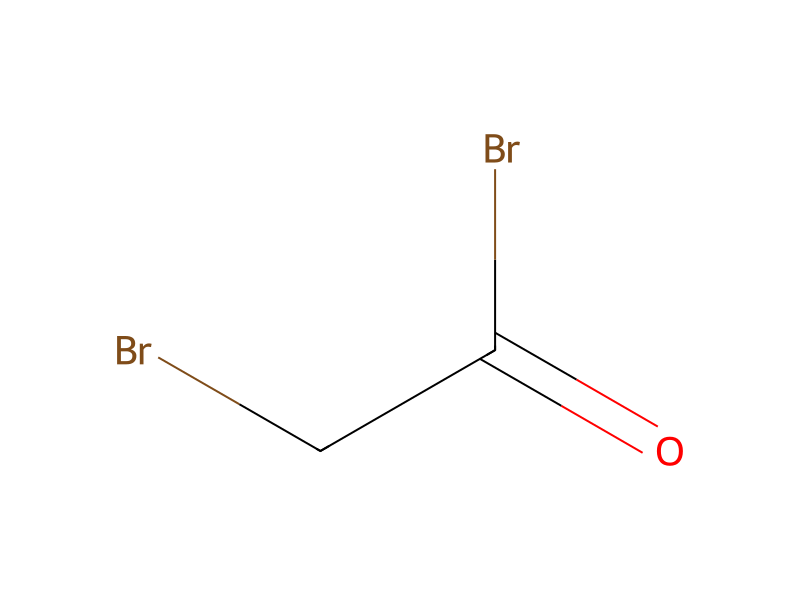


Product 1

Reagents, catalysts & solvents 1

Procedure
Three grams of [7-[3-(methylamino)phenyl]pyrazolo[1,5-a]pyrimidin-3-yl]phenyl methanone was dissolved in 150 ml of tetrahydrofuran. The solution was stirred as 2 ml of diisopropylethylamine, and then 2.3 g of bromoacetyl bromide were added. A precipitate formed immediately. The mixture was stirred at room temperature for 18 hours. A 150 ml portion of water was then added, the mixture heated until solution occurred, and then cooled at -10° C. A precipitate of the desired compound was obtained. It was collected, washed with water, and dried at 60° C. in vacuo giving 1.7 g, mp 175°-177° C.
Workup
- customA precipitate formed immediately
- temperaturethe mixture heated until solution
- temperaturecooled at -10° C
Sources & evidence
- ORD record
- ord-07bd8477ff8e4b92976ebafea794303a
- Source dataset
- uspto-grants-1987_03
- Patent number
- US04654347
Reaction notes
Loading…