Bromine → 4-Bromo-6-chloro-2,3-dihydropyridazin-3-one
Reaction equation

[Cl:1][C:2]1[CH:3]=[CH:4][C:5](=[O:8])[NH:6][N:7]=1.[Br-:9].[K+].C([O-])(=O)C.[K+].BrBr.S([O-])([O-])=O.[Na+].[Na+]>O>[Br:9][C:4]1[C:5](=[O:8])[NH:6][N:7]=[C:2]([Cl:1])[CH:3]=1Participants





Procedure
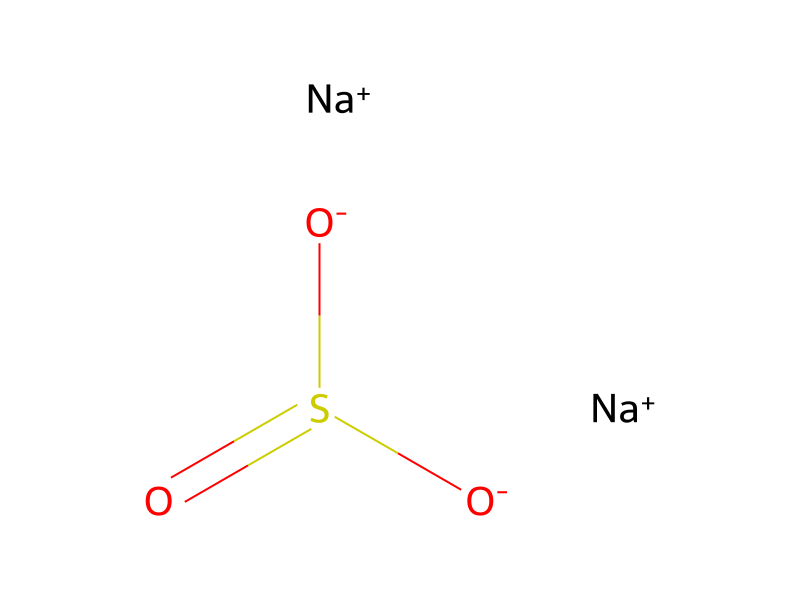
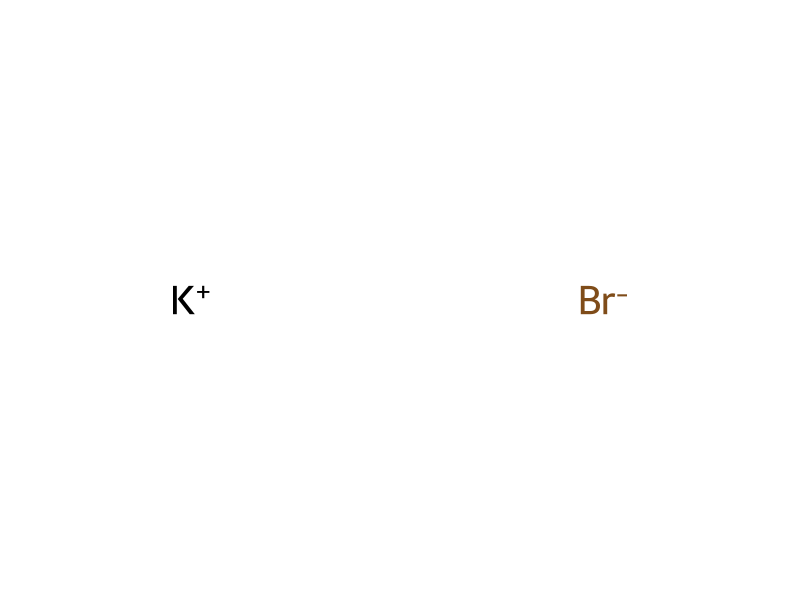
A 250-mL single-neck round-bottomed flask equipped with a magnetic stirrer and reflux condenser was charged with 6-chloropyridazin-3(2H)-one (23, Bulletin of the Korean Chemical Society, 10(6) 614-17; 1989)) (4.00 g, 30.6 mmol), potassium bromide (10.9 g, 91.9 mmol), potassium acetate (4.51 g, 45.9 mmol) and water (36 mL). Bromine (14.6 g, 91.9 mmol) was added, and the reaction mixture was heated at reflux for 2 h. After this time, the reaction was cooled to room temperature and filtered. The filter cake was washed with a solution of sodium sulfite (7.66 g, 60.7 mmol) in water (400 mL) and again with water (300 mL). The collected solids were dried in a vacuum oven at 50° C. overnight to afford a 100% yield (6.40 g) of 24 as an off-white solid: mp 205-206° C.; 1H NMR (500 MHz, DMSO-d6) δ13.52 (br s, 1H), 8.19 (s, 1H); MS (ESI+) m/z 209.1 (M+H).
Workup
- customA 250-mL single-neck round-bottomed flask equipped with a magnetic stirrer
- temperaturereflux condenser
- temperaturethe reaction mixture was heated
- temperatureat reflux for 2 h
- filtrationfiltered
- customThe collected solids were dried in a vacuum oven at 50° C. overnight
Sources & evidence
- ORD record
- ord-c3509df9c7274cdfb16f28253a98988f
- Source dataset
- uspto-grants-2013_12
- Patent number
- US08598174B2
Reaction notes
Loading…