3,4-dihydro-2H-pyran → 5-bromo-1-(oxan-2-yl)-1H-indazole
Reaction equation

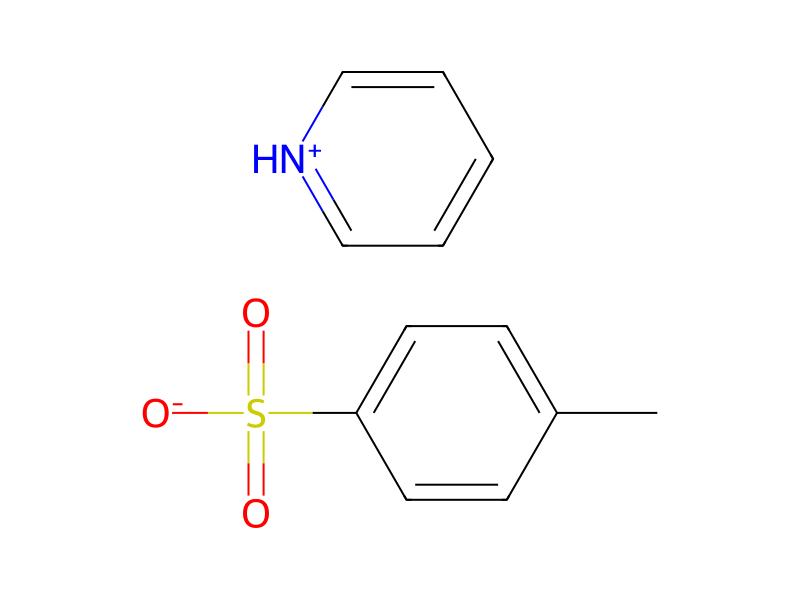
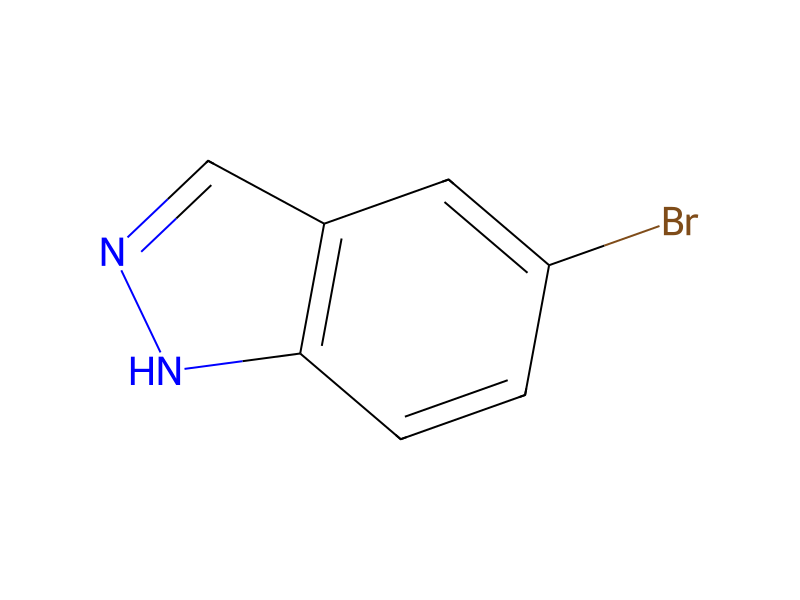
[Br:1][C:2]1[CH:3]=[C:4]2[C:8](=[CH:9][CH:10]=1)[NH:7][N:6]=[CH:5]2.[O:11]1[CH:16]=[CH:15][CH2:14][CH2:13][CH2:12]1.C1(C)C=CC(S([O-])(=O)=O)=CC=1.[NH+]1C=CC=CC=1>ClCCl>[Br:1][C:2]1[CH:3]=[C:4]2[C:8](=[CH:9][CH:10]=1)[N:7]([CH:12]1[CH2:13][CH2:14][CH2:15][CH2:16][O:11]1)[N:6]=[CH:5]2Participants
5



Procedure
A 250 mL round bottom flask with was charged with 5-bromo-1H-indazole (25.00 g, 0.127 mol, 1.0 eq), and dichloromethane (100 mL). To the suspension was added dihydropyran (32.0 g, 0.381 mol, 3.0 eq) and a catalytic amount of pyridinium para-toluenesulfonate (3.19 g, 0.0127 mol, 0.10 eq). The mixture was stirred overnight, and in the morning was a clear solution. The methylene chloride was washed sequentially with saturated sodium bicarbonate, 10% citric acid, and brine, and was then evaporated. Chromatography of the residue on silica gel, eluting with EtOAc/heptane, gave the title compound as a colorless liquid (28.00 g, 79%).
Workup
- washThe methylene chloride was washed sequentially with saturated sodium bicarbonate, 10% citric acid, and brine
- customwas then evaporated
- washChromatography of the residue on silica gel, eluting with EtOAc/heptane
Sources & evidence
- ORD record
- ord-1f37653a90ca4874b0c695068ff75c89
- Source dataset
- uspto-grants-2013_12
- Patent number
- US08604205B2
Reaction notes
Loading…