Triethylamine → HCID 23111118, compound
Reaction equation

C(OC([N:8]1[CH2:13][CH2:12][CH:11]([C:14]([OH:16])=O)[CH2:10][CH2:9]1)=O)(C)(C)C.Cl.C(N=C=N[CH2:23][CH2:24][CH2:25]N(C)C)C.C([NH:33][C:34]1[CH:39]=[CH:38][CH:37]=[CH:36][CH:35]=1)(C)(C)C.[CH2:40](N(CC)CC)C>ClCCl.C(OCC)(=O)C>[C:24]([C:37]1[CH:36]=[CH:35][C:34]([NH:33][C:14]([CH:11]2[CH2:10][CH2:9][NH:8][CH2:13][CH2:12]2)=[O:16])=[CH:39][CH:38]=1)([CH3:25])([CH3:40])[CH3:23]Participants
7
Reactant 4


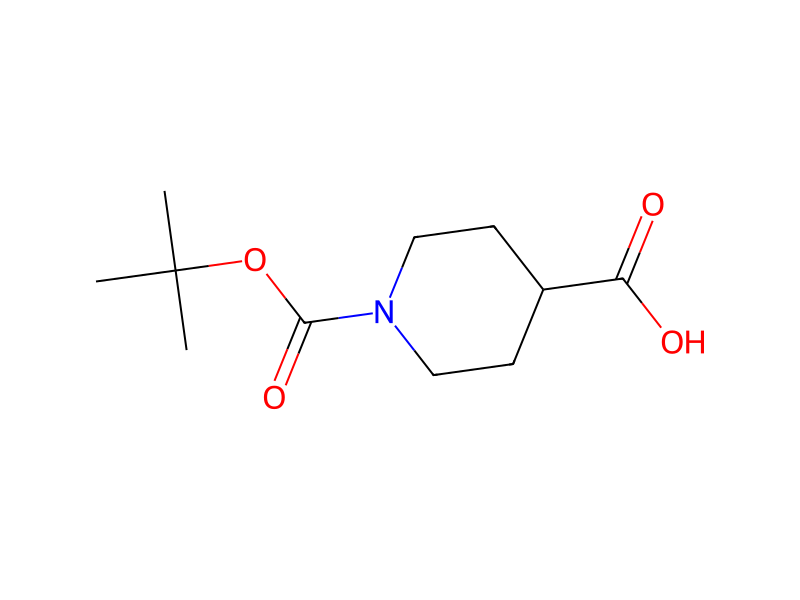

Product 1

Reagents, catalysts & solvents 2


Procedure
Piperidine-1,4-dicarboxylic acid mono-t-butyl ester (10.6 g) was dissolved in dichloromethane (100 ml), 1-ethyl-3-(3-dimethylaminopropyl)carbodiimide hydrochloride (8.8 g), t-butylaniline (7.3 ml), and triethylamine (12.9 ml) were added, and the mixture was stirred overnight. The reaction mixture was diluted with ethyl acetate, washed with water, and dried over magnesium sulfate. The solvent was evaporated, a 4N solution (140 ml) of hydrogen chloride in dioxane and dioxane (60 ml) were added to the obtained residue, and the mixture was stirred at room temperature for 2 hours. The solvent was evaporated to give the title compound as a crude product.
Workup
- washwashed with water
- dry with materialdried over magnesium sulfate
- customThe solvent was evaporated
- additiona 4N solution (140 ml) of hydrogen chloride in dioxane and dioxane (60 ml) were added to the obtained residue
- stirringthe mixture was stirred at room temperature for 2 hours
- customThe solvent was evaporated
Sources & evidence
- ORD record
- ord-949d7a183e1846f38365a08336dc963a
- Source dataset
- uspto-grants-2012_05
- Patent number
- US08168827B2
Reaction notes
Loading…