Hydrogen Peroxide → 5-Cyano-2-fluorobenzoic acid
Reaction equation

[C:1]([C:3]1[CH:4]=[CH:5][C:6]([F:11])=[C:7]([CH:10]=1)[CH:8]=[O:9])#[N:2].P([O-])(O)(O)=[O:13].[Na+].OO.Cl([O-])=O.[Na+].S([O-])([O-])=O.[Na+].[Na+]>C(#N)C.C(OCC)(=O)C>[C:1]([C:3]1[CH:4]=[CH:5][C:6]([F:11])=[C:7]([CH:10]=1)[C:8]([OH:13])=[O:9])#[N:2]Participants
8
Reactant 5



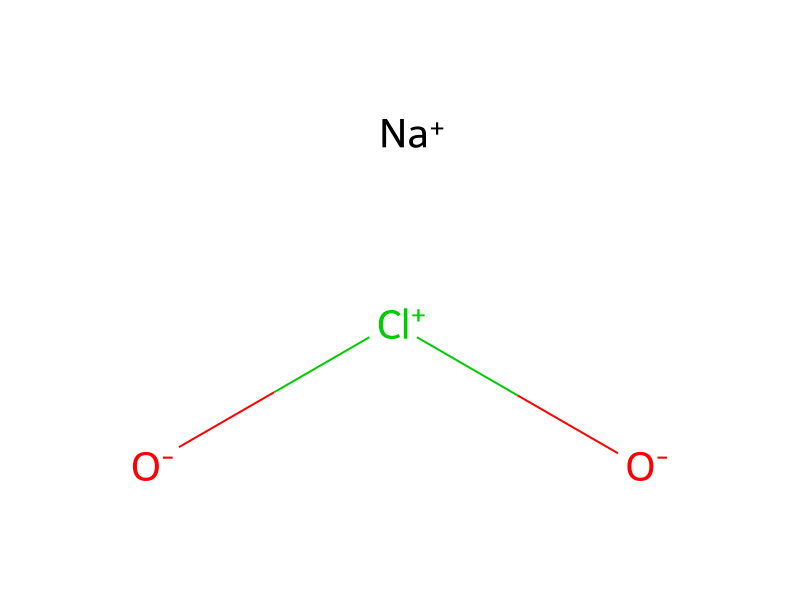

Product 1

Reagents, catalysts & solvents 2


Procedure
To a solution of 5-cyano-2-fluorobenzaldehyde (145 mg) in acetonitrile (2 mL) were added a sodium dihydrogenphosphate aqueous solution (23 mg in 1 mL water) and 30% hydrogen peroxide (0.09 mL). To the resulting mixture was added dropwise a sodium chlorite aqueous solution (126mg in 1 mL water) for an hour at 0° C. The mixture was stirred for an hour at ambient temperature, then a small amount of sodium sulfite was added. The mixture was diluted with ethyl acetate and washed successively with 1N-hydrochloric acid and brine. The organic layer was dried over sodium sulfate and evaporated in vacuo. The residue was triturated with diisopropyl ether to give 5-cyano-2-fluorobenzoic acid (137 mg) as a solid substance.
Workup
- washwashed successively with 1N-hydrochloric acid and brine
- dry with materialThe organic layer was dried over sodium sulfate
- customevaporated in vacuo
- customThe residue was triturated with diisopropyl ether
Sources & evidence
- ORD record
- ord-2d6331484ba2479cb352d3664d6b793a
- Source dataset
- uspto-grants-2002_05
- Patent number
- US06384080B1
Reaction notes
Loading…