Hydrochloric Acid → (4-Chloro-3,5-dimethoxyphenyl)boronic acid
Reaction equation

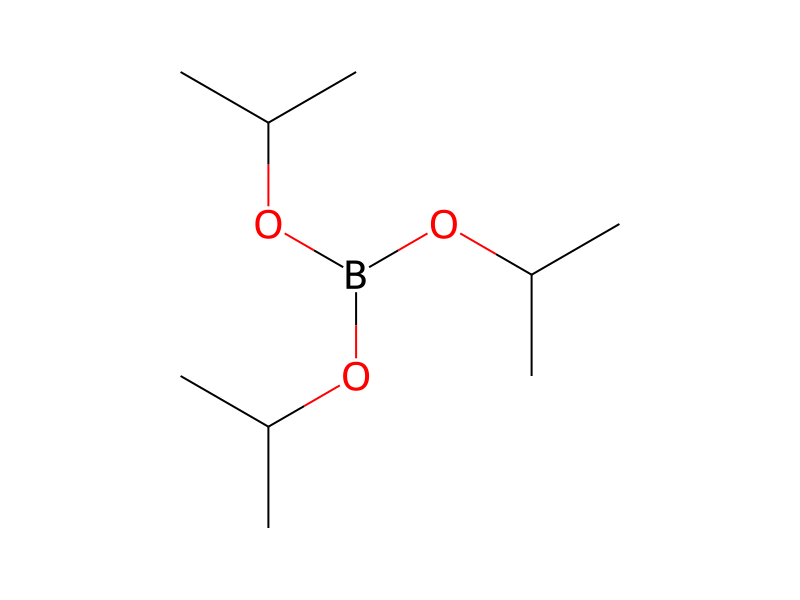
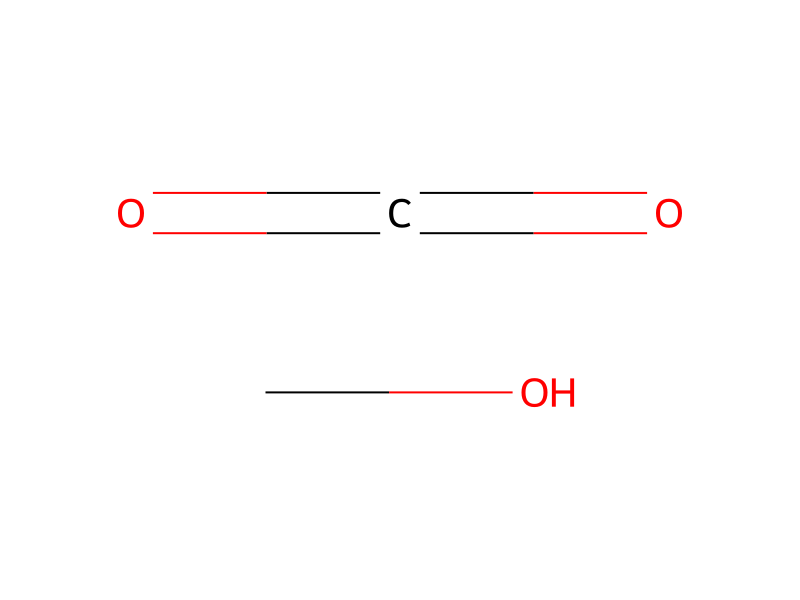
C([Li])CCC.Br[C:7]1[CH:12]=[C:11]([O:13][CH3:14])[C:10]([Cl:15])=[C:9]([O:16][CH3:17])[CH:8]=1.C(=O)=O.CO.[B:23](OC(C)C)([O:28]C(C)C)[O:24]C(C)C.Cl>CCCCCC.C1COCC1>[Cl:15][C:10]1[C:11]([O:13][CH3:14])=[CH:12][C:7]([B:23]([OH:28])[OH:24])=[CH:8][C:9]=1[O:16][CH3:17]Participants
Reactant 5



Product 1

Reagents, catalysts & solvents 2


Procedure
Under an argon atomsphere, to dry THF (2 mL) stirred in a dry ice-methanol bath was gradually added a 1.57 M solution of n-butyllithium in hexane (0.8 mL), followed by the dropwise addition of a solution of 1-bromo-4-chloro-3,5-dimethoxybenzene (160 mg) in dry THF (2 mL). After the mixture was stirred for 20 minutes in the dry ice-methanol bath, triisopropyl borate (0.18 mL) was added and the mixture was additionally stirred for 20 minutes. The reaction mixture was then stirred at room temperature for 1 hour and pH of the mixture was adjusted at 3 using 4 M hydrochloric acid. The mixture was stirred at 0° C. for 1 hour and extracted with ethyl acetate. The organic layer was washed with brine, dried over anhydrous sodium sulfate and evaporated. The residue was recrystallized from ethyl acetate-hexane giving the title compound as white powder.
Workup
- additionwas added
- stirringThe reaction mixture was then stirred at room temperature for 1 hour
- stirringThe mixture was stirred at 0° C. for 1 hour
- extractionextracted with ethyl acetate
- washThe organic layer was washed with brine
- dry with materialdried over anhydrous sodium sulfate
- customevaporated
- customThe residue was recrystallized from ethyl acetate-hexane giving the title compound as white powder
Sources & evidence
- ORD record
- ord-81d5c08850c743f694827ef154e32792
- Source dataset
- uspto-grants-2002_05
- Patent number
- US06395753B1
Reaction notes
Loading…