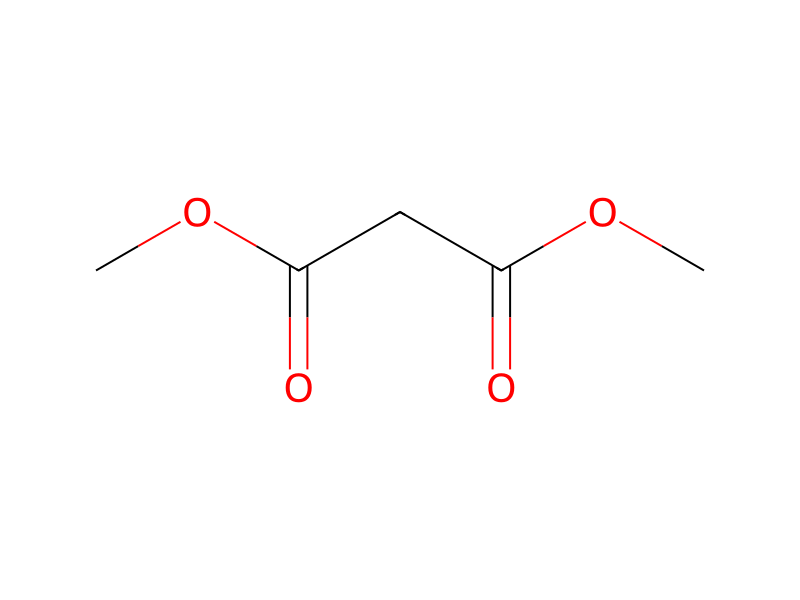
Dimethyl malonate → 3,5-Bis(trifluoromethyl)phenylacetic acid
Reaction equation

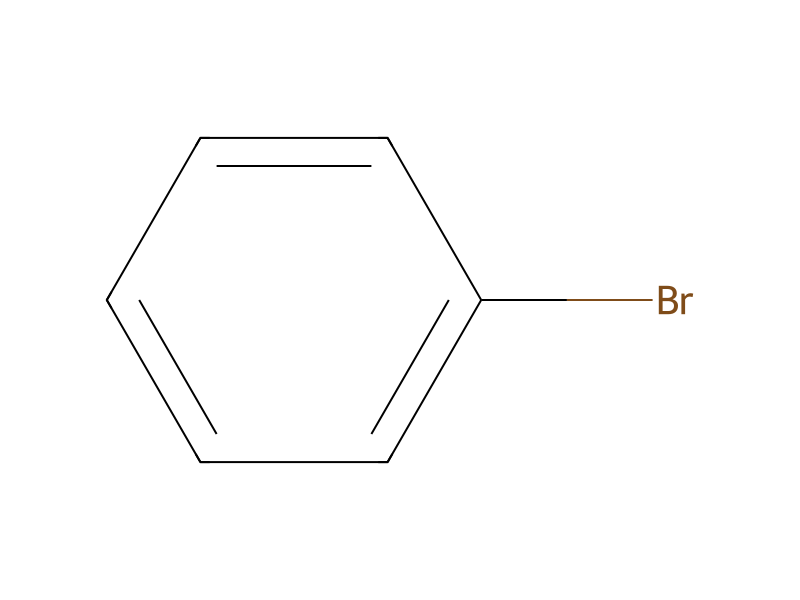
C[O-].[Na+].[C:4](OC)(=O)[CH2:5][C:6]([O:8]C)=[O:7].[F:13][C:14]([F:27])([F:26])[C:15]1[CH:16]=C(Br)[CH:18]=[C:19]([C:21]([F:24])([F:23])[F:22])[CH:20]=1.BrC1C=CC=CC=1.[OH-].[Na+]>[Cu]Br.[Cu]I.O.COCCOC>[F:13][C:14]([F:26])([F:27])[C:15]1[CH:16]=[C:4]([CH2:5][C:6]([OH:8])=[O:7])[CH:18]=[C:19]([C:21]([F:22])([F:23])[F:24])[CH:20]=1Participants
Reactant 5



Product 1

Reagents, catalysts & solvents 4




Conditions
- Temperature
- 69 °C
Procedure
550 ml of ethylene glycol dimethyl ether were initially charged and, under nitrogen, 91 g of sodium methoxide (solid) were introduced, giving, without any change in temperature, a white suspension which was readily stirrable. The mixture was heated to 69° C. and 237.6 g of dimethyl malonate were added dropwise over a period of 30 minutes, during which the mixture began to boil under reflux (internal temperature 74° C.) and a stirrable white slurry was formed. After cooling to 54° C., 35.2 g of copper(I) bromide (fine powder) and 35.2 g of copper(I) iodide (fine powder) were added, and the mixture was then again heated at the boil under reflux. Over a period of 110 minutes, 344 g of 3,5-bis-(trifluoromethyl)-bromobenzene were added dropwise, and a gentle stream of waste gas was observed (partial de-methoxycarbonylation). After 15 hours and 40 minutes (conversion monitored by GC) at reflux (85° C.), a further 10 g of copper(I) bromide and a further 10 g of copper(I) iodide were added. After a further 5 hours under reflux at 86° C. (conversion monitored by GC; at least 90% conversion of the bromobenzene employed), 400 g of 45% by weight strength aqueous sodium hydroxide solution were added dropwise at 86° C. (reflux) over a period of 15 minutes and the mixture was kept at reflux at this temperature for a further 4 hours, during which a gentle evolution of waste gas took place. GC analysis then showed that no more ester was present. With stirring, 1000 ml of water were added and the precipitate was allowed to settle. Undissolved particles were then substantially decanted off over a Nutsche and the remaining content of the flask was suspended in 100 ml of 2 N aqueous sodium hydroxide solution and filtered off with suction over the Nutsche. The resulting two-phase filtrate was concentrated at 20 mbar (1350 ml of distillate) and diluted again with 1000 ml of water. Organic impurities were extracted using 30 ml of toluene (1.4 g of residue on concentration using a rotary evaporator) and the aqueous phase was poured into 920 g of 24% by weight strength aqueous sulphuric acid (18-24° C.), which resulted in strong foaming (pH=1). The resulting precipitate was filtered off with suction, washed with a little water until neutral and dried at 60° C. overnight. This gave 284 g of a beige powder, corresponding to a yield of 89% of theory.
Workup
- customgiving, without any change in temperature
- temperatureunder reflux (internal temperature 74° C.)
- customa stirrable white slurry was formed
- temperatureAfter cooling to 54° C.
- temperaturethe mixture was then again heated at the boil
- temperatureunder reflux
- waitAfter 15 hours
- temperature40 minutes (conversion monitored by GC) at reflux (85° C.)
- temperatureAfter a further 5 hours under reflux at 86° C. (conversion
- additionwere added dropwise at 86° C.
- temperature(reflux) over a period of 15 minutes
- temperatureat reflux at this temperature for a further 4 hours, during which a gentle evolution of waste gas
- customUndissolved particles were then substantially decanted off over a Nutsche
- filtrationfiltered off with suction over the Nutsche
- concentrationThe resulting two-phase filtrate was concentrated at 20 mbar (1350 ml of distillate)
- additiondiluted again with 1000 ml of water
- extractionOrganic impurities were extracted
- concentrationon concentration
- customa rotary evaporator) and the aqueous phase
- additionwas poured into 920 g of 24% by weight strength aqueous sulphuric acid (18-24° C.), which
- customresulted in strong foaming (pH=1)
- filtrationThe resulting precipitate was filtered off with suction
- washwashed with a little water until neutral and
- customdried at 60° C. overnight
Sources & evidence
- ORD record
- ord-4e7e4d55110c43f9aaeb3292b691a18c
- Source dataset
- uspto-grants-2002_05
- Patent number
- US06395921B1
Reaction notes
Loading…