Dimethylformamide → 1-Bromo-5-isopropyl-2,4-bis-methoxymethoxy-benzene
Reaction equation

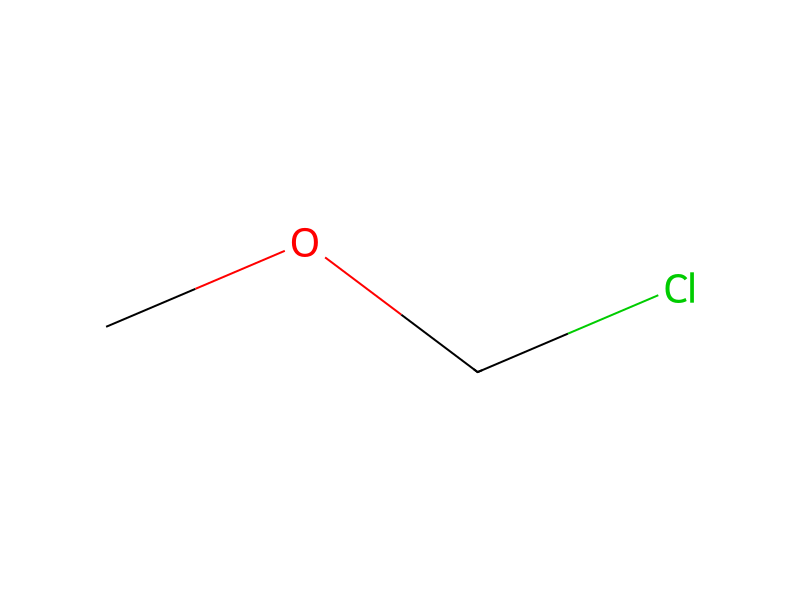
[Br:1][C:2]1[CH:7]=[C:6]([CH:8]([CH3:10])[CH3:9])[C:5]([OH:11])=[CH:4][C:3]=1[OH:12].CN(C)[CH:15]=[O:16].[CH2:18](N(C(C)C)C(C)C)C.[CH3:27][O:28][CH2:29]Cl>C(OCC)(=O)C>[Br:1][C:2]1[CH:7]=[C:6]([CH:8]([CH3:10])[CH3:9])[C:5]([O:11][CH2:27][O:28][CH3:29])=[CH:4][C:3]=1[O:12][CH2:18][O:16][CH3:15]Participants





Conditions
- Temperature
- 0 °C
Procedure
4-bromo-6-isopropyl-benzene-1,3-diol (IM1-a: 10.5 g, 45.5 mmol), dimethyl formamide (50 mL) and ethyldiisopropylamine (39.6 mL, 227 mmol) were placed in a 100 mL eggplant shaped flask, and the solution was cooled to 0° C., mixed with methoxymethylchloride (17.3 mL, 227 mmol) and the mixture was allowed to come to room temperature. After stirring for 12 hours the solution was heated to 50° C. and stirring was continued further for 6.5 hours. After completing the reaction, ethyl acetate was added, and after washing the organic layer 4 times with saturated sodium chloride, the organic layer was dried anhydrous sodium sulfate. After filtration and evaporation, the residue was purified by silica gel column chromatography to obtain the title compound (IM2-a: 12.1 g, 83.1%).
Workup
- customto come to room temperature
- temperaturewas heated to 50° C.
- stirringstirring
- waitwas continued further for 6.5 hours
- additionwas added
- washafter washing the organic layer 4 times with saturated sodium chloride
- filtrationAfter filtration and evaporation
- customthe residue was purified by silica gel column chromatography
Sources & evidence
- ORD record
- ord-0feda5b19cb3441c9966e115d8d35797
- Source dataset
- uspto-grants-2013_03
- Patent number
- US08399464B2
Reaction notes
Loading…