Hydrochloric Acid → (R)-Piperazine-2-carboxylic acid
Reaction equation

[OH-:1].[Na+].C([O:7]C(OC(OC(C)(C)C)=O)=O)(C)(C)C.[N:18]1C2C(=CC=CC=2S(Cl)(=O)=O)C=C[CH:19]=1.C([N:34]([CH2:37][CH3:38])[CH2:35][CH3:36])C.Cl>O1CCOCC1.O>[NH:34]1[CH2:35][CH2:36][NH:18][CH2:19][C@@H:37]1[C:38]([OH:7])=[O:1]Participants
7





Procedure
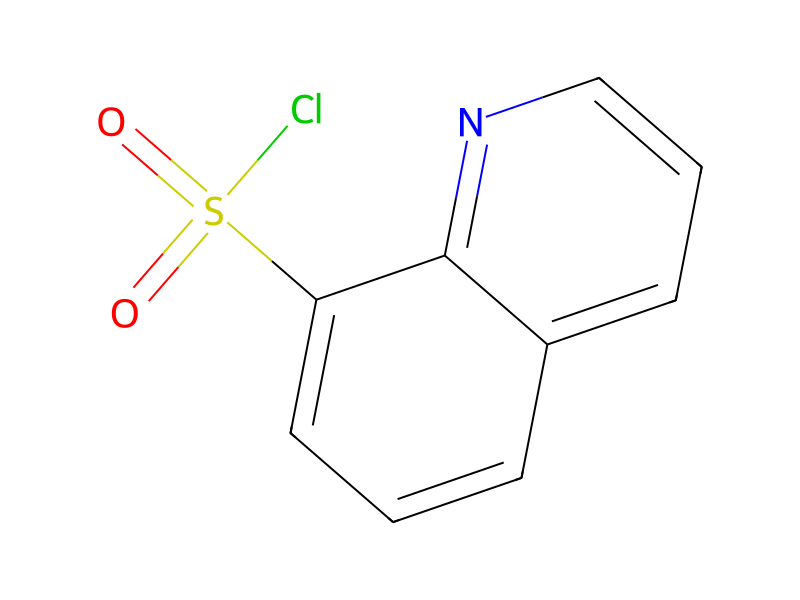
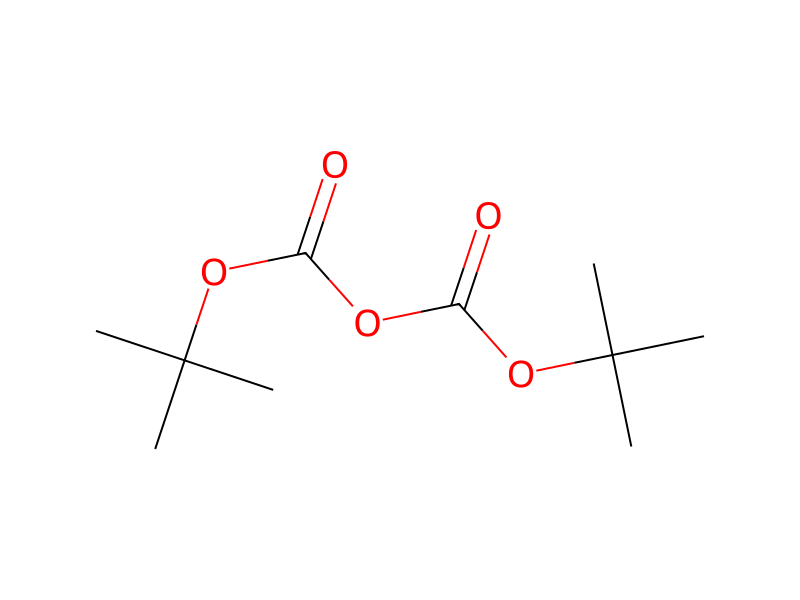
2CSA (9.492 g, 15.96 mmol) was dissolved in dioxane/water 1:1 (60 ml) and concentrated sodium hydroxide was added until the pH reached 9-10. Di-tert-butyl-dicarbonate (3.755 g, 17.55 mmol) was then added and the mixture was stirred 6 h at room temperature. A white precipitate appeared, the pH dropped to 7 and was brought back to 9 by the addition of concentrated NaOH. 8-quinoline sulfonylchloride (3.63 g, 15.64 mmol) and triethylamine (4.33 ml, 31.28 mmol) were slowly added and the mixture was stirred overnight at room temperature. The solution was made acidic by the addition of HCl 1N and the white precipitate thus obtained was filtered and dried to give the desired compound.
Workup
- additionthe pH dropped to 7
- stirringthe mixture was stirred overnight at room temperature
- customthe white precipitate thus obtained
- filtrationwas filtered
- customdried
Sources & evidence
- ORD record
- ord-18dae4225cdb497eb4a21ee615bd23ee
- Source dataset
- uspto-grants-2013_03
- Patent number
- US08404690B2
Reaction notes
Loading…