Triphosgene → 2,3-dihydro-2-oxo-1H-benzimidazol-1-ylcarbonyl chloride
Reaction equation

[OH:1][C:2]1[NH:3][C:4]2[CH:10]=[CH:9][CH:8]=[CH:7][C:5]=2[N:6]=1.[Cl:11][C:12]([O:15]C(=O)OC(Cl)(Cl)Cl)(Cl)Cl>O1CCCC1.C>[O:1]=[C:2]1[N:6]([C:12]([Cl:11])=[O:15])[C:5]2[CH:7]=[CH:8][CH:9]=[CH:10][C:4]=2[NH:3]1Participants
5
Reactant 2


Product 1

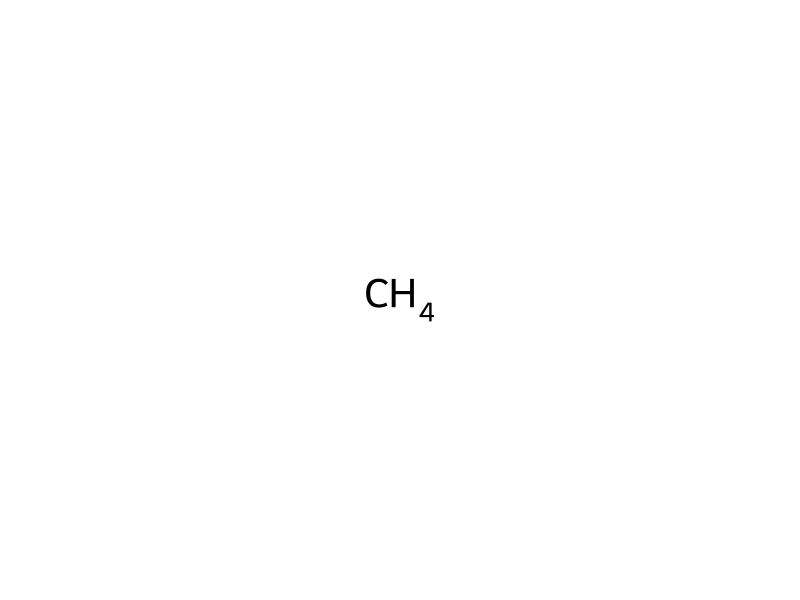
Reagents, catalysts & solvents 2

Procedure
To a 1 L, 3-neck round bottom flask fitted with a thermometer, condenser, and an addition funnel was placed 2-hydroxybenzimidazole (36.9 g, 275 mmol), 275 mg of activated charcoal, and 750 mL of dry tetrahydrofuran. The bis(trichloromethyl)carbonate (36.3 g, 122 mmol), dissolved in 100 mL of tetrahydrofuran, was added dropwise at room temperature. The addition funnel was replaced with a gas outlet tube that was dipped into an aqueous concentrated ammonium hydroxide trap. The mixture was heated at reflux for about 18 hours. The solids which formed were filtered and the filtrate was evaporated under reduced pressure to give 61.64 g of a white solid which was used in subsequent reactions without further purification. Yield: >100%.
Workup
- customTo a 1 L, 3-neck round bottom flask fitted with a thermometer, condenser, and an addition funnel
- additionwas added dropwise at room temperature
- customThe addition funnel was replaced with a gas outlet tube
- customthat was dipped into an aqueous concentrated ammonium hydroxide trap
- temperatureThe mixture was heated
- temperatureat reflux for about 18 hours
- customThe solids which formed
- filtrationwere filtered
- customthe filtrate was evaporated under reduced pressure
Sources & evidence
- ORD record
- ord-bc2c4217c2f9446f928c43c762cc2dec
- Source dataset
- uspto-grants-2000_09
- Patent number
- US06117882
Reaction notes
Loading…